Nepal’s only hunting reserve, Dhorpatan, is witnessing a decline in tourist convenience due to the deteriorating condition of the access road. Despite being a project of national priority, the Saljhandi–Dhorpatan road has seen little improvement even a decade after the track was opened. While the road from Bhurtibang to Bobang, the entrance gate to Dhorpatan, is relatively accessible, the stretch beyond remains extremely challenging and inconvenient for travelers.
Narrow, Slushy Roads Hamper Travel
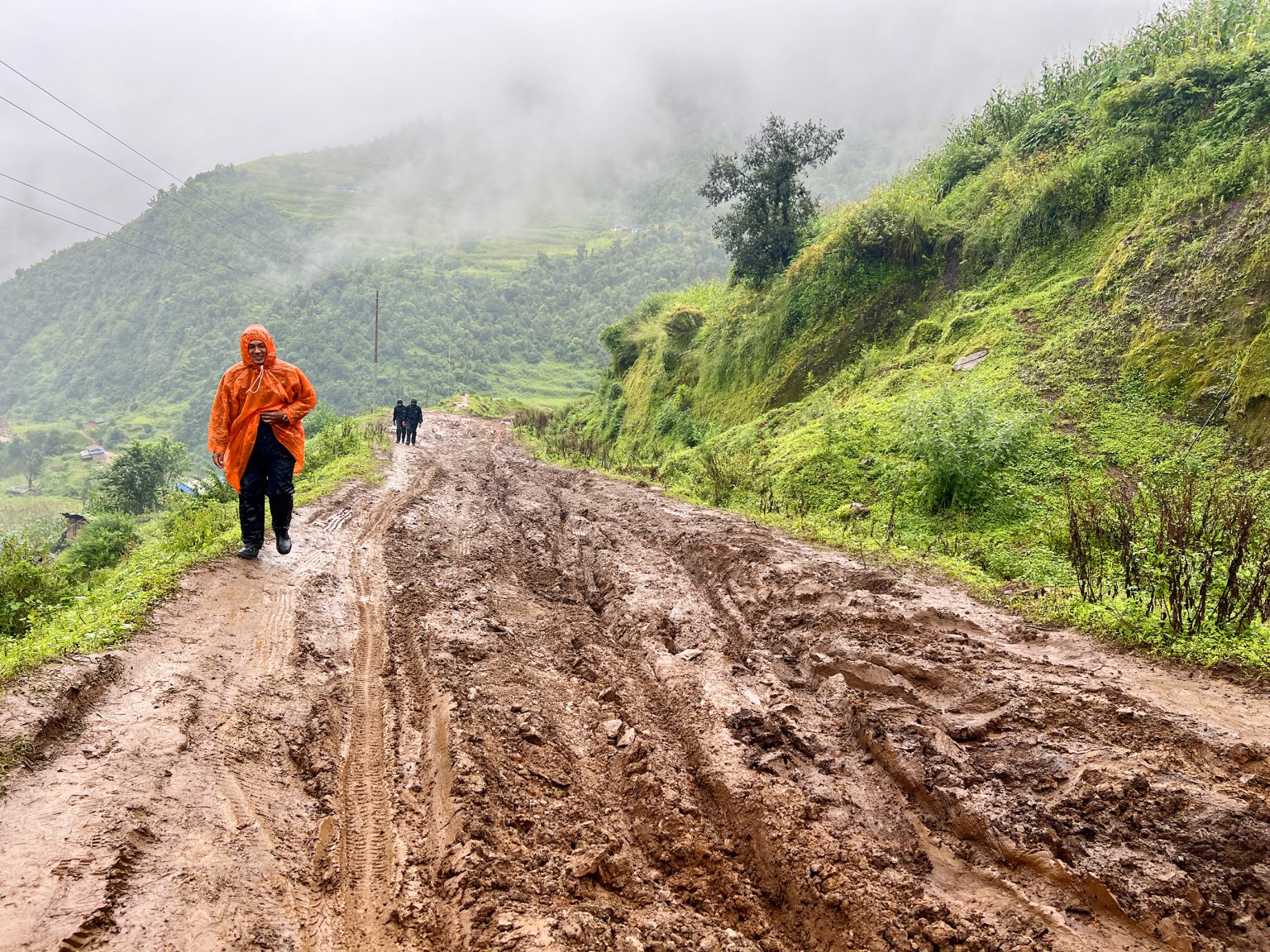
Tourists visiting Dhorpatan often face significant difficulties navigating the narrow, pothole-filled, and muddy roads. The rugged terrain and poor maintenance have made travel particularly taxing. Most visitors rely on motorcycles or jeeps to reach the reserve, but even these vehicles frequently encounter problems along the way. Landslides, coupled with heavy rains, leave the road layered with mud and rocks, further complicating travel and creating a risk of accidents.
Road Connectivity from Saljhandi to Dhorpatan
The road connecting Dhorpatan spans from Saljhandi in Rupandehi, passing through Arghakhanchi, and onward to the reserve. However, local officials note that the current condition of the road is not just inconvenient for tourists but also problematic for the transport of goods and for the daily movement of residents.
Khem Bahadur Gharti Magar, the ward chairman of Dhorpatan Municipality-9, said, “This road causes hardship for thousands of residents and visitors. If the construction company had completed the work on time, the road could have been fully functional by now. Despite repeated requests, the work has not been executed.”
The narrowness and slipperiness of the road, combined with potholes and uneven surfaces, make it difficult for vehicles to pass safely. Locals often have to manually assist vehicles that get stuck mid-way, especially during the rainy season.
Tourist Experiences Highlight Road Challenges
Tourists visiting Dhorpatan have expressed frustration over the poor road conditions. Tufan Sapkota, who traveled from Nawalpur to visit the reserve, recounted being stranded for two days after his vehicle broke down on the stretch below Falleghar. “I came here after seeing beautiful photos and videos of Dhorpatan on social media,” he said. “But the road’s condition was far worse than expected. If I had known, I would have reconsidered my trip. The place is stunning, but getting here is extremely difficult.”
Such experiences underline the need for urgent road improvements. Tourists not only face inconvenience but also safety risks, and their dissatisfaction could potentially affect the local tourism economy if the issues are not addressed promptly.
Historical Background and Road Development Issues
The road track between Baglung and Dhorpatan was initially opened in 2014 (B.S. 2071). The total distance from Saljhandi to Dhorpatan measures 197 kilometers, with a 61-kilometer stretch connecting Gangre to Dhorpatan. Four years ago, a contract was signed to upgrade the road, covering sections through Badigad Rural Municipality-10 Gangre, Nisikhola Rural Municipality-7 Rajkut, and Ward No. 1 Devsthan, extending to Dhorpatan. Despite this agreement, construction has yet to begin, leaving the road in a precarious state.
Local authorities have repeatedly urged the responsible agencies and contractors to commence work, but progress has been minimal. The lack of timely maintenance and construction has significantly hampered both tourism and local economic activities, as transporting goods and people through this corridor remains a major challenge.
Impact on Tourism and Local Economy
The deteriorating road conditions directly affect tourism, which is a vital part of the Dhorpatan region’s economy. In addition to hunting reserve visitors, adventure tourists, nature enthusiasts, and local travelers face hardships. The difficulty in reaching the reserve discourages potential tourists, impacting local businesses such as hotels, restaurants, and transport service providers.
Tourists’ dissatisfaction also spreads through word of mouth and social media, which can further reduce visitor inflow. The road’s poor condition is not only a logistical problem but also a deterrent to promoting the natural and cultural attractions of Dhorpatan.
Calls for Urgent Action
Local leaders and residents have stressed the urgency of completing the road upgrade. Ward Chairman Gharti Magar emphasized the need for the construction company to execute the project as per the agreement. “This road is essential for both residents and visitors. Delays in construction are causing avoidable suffering,” he said. Residents and tourism stakeholders are hopeful that renewed attention from government authorities and contractors will finally lead to progress.
Authorities argue that completing the road would not only improve tourist access but also enhance trade, transportation, and overall connectivity in the region. Given its status as a national priority project, the road’s upgrade is critical for the sustainable development of Dhorpatan and its surrounding areas.
The Saljhandi–Dhorpatan road, a decade-old national priority project, continues to face significant challenges, making travel to Nepal’s only hunting reserve difficult for both tourists and locals. Narrow paths, potholes, and muddy conditions have made vehicle navigation arduous, while delays in upgrading the road have prolonged inconvenience.
Tourists like Tufan Sapkota highlight how the poor road conditions diminish the experience of visiting Dhorpatan, despite its natural beauty. Local authorities and residents continue to push for timely action to complete the road construction. Addressing these issues is vital not only for tourism but also for the broader economic and social connectivity of the region.
With urgent intervention and proper maintenance, the road can become a safer and more reliable route, helping to promote Dhorpatan as a premier destination for nature enthusiasts and hunters alike, while boosting local livelihoods and regional development.