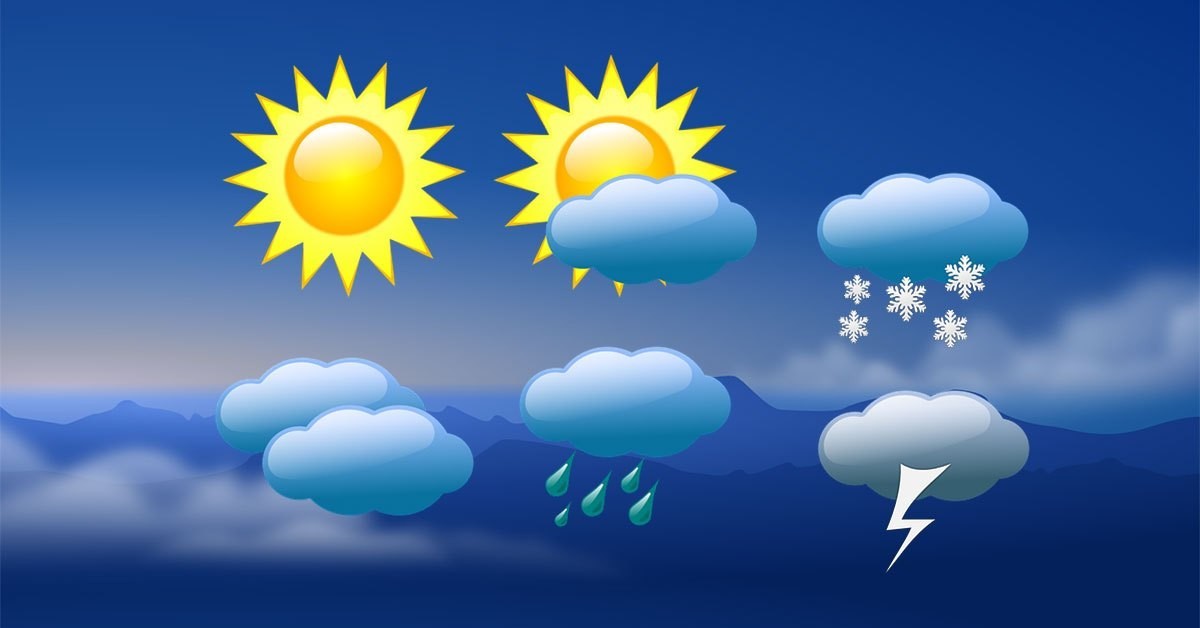
The Department of Hydrology and Meteorology (DHM) has reported that the monsoon’s low-pressure axis is currently positioned further south than its average location for this time of year. This shift in the monsoon pattern has influenced the country’s weather conditions, resulting in increased cloud cover and heightened rainfall activity in several regions.
According to the latest forecast, widespread cloudiness is expected across the nation today. The influence of the southward monsoon trough, combined with moisture inflow from the Bay of Bengal, is likely to generate rainfall over both hilly and lowland areas, particularly in the Lumbini Province, along with parts of the hilly terrain and the Terai belt.
Daytime Forecast: Widespread Cloud Cover and Moderate Rain
During the daytime today, the weather will remain generally cloudy nationwide. The Lumbini Province, as well as certain hilly areas and parts of the Terai plains, may experience moderate rainfall. This forecast suggests potential disruptions to outdoor activities, agriculture operations, and road travel in affected locations.
The Department of Hydrology and Meteorology (DHM) has highlighted that the rainfall will not be uniform across all districts, but isolated areas may experience more intense showers. Farmers have been advised to take necessary precautions to prevent crop damage from heavy downpours, while construction and road maintenance teams have been urged to plan their schedules in light of the expected weather conditions.
Nighttime Conditions: Continued Cloudiness in Eastern and Central Regions
For tonight, the Department of Hydrology and Meteorology (DHM) predicts generally cloudy conditions in the Koshi and Madhesh Provinces, along with most hilly regions across the country. The remaining parts of the nation, especially in the western Terai and mid-western hills, are expected to experience partly cloudy skies.
Moderate rainfall is likely in parts of Koshi, Madhesh, Bagmati, and Gandaki Provinces, as well as certain hilly pockets in other provinces. Additionally, heavy rainfall is possible at one or two locations in the hilly areas of Koshi, Terai, and Bagmati Provinces. These areas may face short-term flooding in low-lying zones due to intense showers in a short duration.
Heavy Rainfall and Landslide Risks
The DHM has issued a cautionary notice regarding the possibility of landslides, debris flows, and flash floods in the coming hours. The likelihood of such events is particularly high in hilly and mountainous districts where soil saturation has already occurred due to previous rainfall.
“Moderate to heavy precipitation in short bursts can trigger slope failures and river swelling,” a Department of Hydrology and Meteorology (DHM) spokesperson stated. “Small and large rivers, streams, and rivulets may experience a rise in water levels, increasing the risk to settlements located close to riverbanks.”
The department has urged residents in vulnerable zones to remain alert and take preventive measures. Authorities in disaster-prone districts have been asked to keep rescue equipment ready and coordinate with local disaster management committees to handle potential emergencies.
Impact on Transportation and Daily Activities
Heavy rainfall, particularly in hilly terrain, often leads to road blockages, delays, and transportation disruptions in Nepal. The DHM has advised motorists and public transport operators to check weather updates before travelling and to avoid routes with a history of frequent landslides.
Air travel in domestic sectors, especially flights to remote hilly airstrips, may also face delays or cancellations due to low visibility and unsafe flying conditions. Passengers have been advised to stay in touch with airline service providers for updates.
Public Advisory for Safety and Preparedness
In its public advisory, the DHM has recommended that individuals and communities prepare for possible emergencies. Suggested measures include storing emergency food and drinking water supplies, keeping flashlights and first-aid kits ready, and maintaining communication with local authorities.
Residents in urban areas have been advised to clear drainage channels around their homes to prevent waterlogging, while rural households in landslide-prone zones have been encouraged to identify safer shelter points in advance.
The department has also emphasized the importance of community cooperation in flood and landslide monitoring, urging local residents to report early signs of slope instability or rising water levels to relevant authorities.
With the monsoon trough remaining south of its normal position, Nepal is expected to experience persistent rainfall over the next 24 hours, with certain areas facing a heightened risk of heavy precipitation and related hazards. The DHM has reiterated its request for vigilance and preparedness, particularly in vulnerable provinces and districts, to minimize the potential damage from landslides, debris flows, and floods.