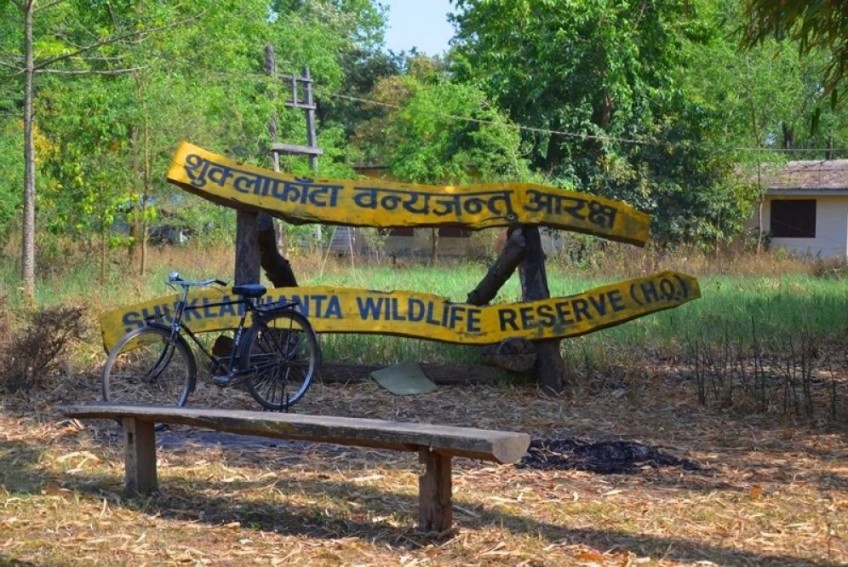
The lakes within Shuklaphanta National Park, one of Nepal’s most ecologically rich and biodiverse protected areas, are facing a serious threat. Climate change, invasive water hyacinth, and unchecked vegetation growth are causing several natural lakes to dry up or become covered, posing a significant challenge to wildlife conservation. Lakes such as Rani Lake, Sikhar Lake, Baba Lake, Kali Lake, Tara Lake, and Salgaudi Lake, which serve as prime sources of water for the park’s wildlife, are increasingly under threat.
Purushottam Wagle, the park’s information officer, explained the gravity of the situation. “These lakes are critical for sustaining the diverse flora and fauna in the park. However, they are being gradually covered by invasive vegetation and water hyacinth, which is worsening due to changing climate patterns,” he said. The drying of these natural water bodies could disrupt the delicate ecological balance, affecting both the animal population and plant biodiversity within the park.
Budget Constraints Hampering Conservation Efforts
Despite the pressing need to preserve the park’s lakes and wetlands, insufficient funding has become a major hurdle. Shuklaphanta National Park currently has a capital budget of Rs 3.4 million, which is primarily allocated to building tourism infrastructure, including paths and visitor facilities. This leaves minimal resources available for the conservation of natural water bodies, including critical interventions to remove invasive species or restore drying lakes.
Wagle highlighted the challenge: “With limited financial resources, it becomes extremely difficult to implement regular maintenance and conservation measures. The current budget must cover construction and tourism-related projects, leaving little for the essential work of protecting our wetlands.” Without adequate budgetary allocation, the park’s conservation programs risk being compromised, which could have long-term consequences for the ecosystem.
Artificial Ponds and Tourism Potential
In addition to natural lakes, Shuklaphanta National Park hosts approximately 40 artificial ponds scattered throughout the area. These water bodies have been developed to support both wildlife and eco-tourism activities. The park, known for its rich biodiversity, attracts numerous domestic and international tourists every year. Its unique ecosystem includes a wide variety of animals and plants, making it a significant destination for nature enthusiasts, wildlife researchers, and eco-tourists.
The park’s small and large ponds, along with natural lakes, form an integrated water system vital for sustaining the habitat of species ranging from migratory birds to aquatic life and larger mammals. The drying of these water bodies threatens not only biodiversity but also the tourism appeal of Shuklaphanta, as visitors are drawn to its scenic lakes and thriving wildlife.
Urgent Need for Conservation Measures
Experts and park authorities stress the urgent need for targeted conservation strategies to protect these lakes. Removal of water hyacinth, management of invasive vegetation, and restoration of natural water levels are essential steps to ensure the survival of these ecosystems.
Wagle emphasized the importance of adequate budgetary allocation to address these concerns. “To conserve the wetland area effectively, we need proper financial and technical support,” he stated. Conservation measures could include deploying modern tools and manpower to manage invasive species, maintaining water levels, and monitoring climate-induced changes that affect the lakes.
The situation at Shuklaphanta reflects a broader challenge faced by Nepal’s protected areas, where climate change, human activity, and invasive species converge to threaten fragile ecosystems. Effective conservation requires not only funding but also community involvement, scientific research, and long-term planning to sustain these natural resources.
Protecting Shuklaphanta’s Ecological Heritage
Shuklaphanta National Park is a jewel of Nepal’s natural heritage, home to countless species of plants, birds, and animals. Its wetlands and lakes play a pivotal role in maintaining ecological balance and supporting biodiversity. Protecting these water bodies is critical for sustaining wildlife and ensuring that the park continues to be an attractive destination for tourists and researchers alike.
By prioritizing wetland conservation, enhancing budgetary support, and implementing science-based management strategies, the park authorities hope to preserve Shuklaphanta’s lakes for future generations. The challenge is significant, but with coordinated efforts, the drying lakes and invasive vegetation can be managed, ensuring the park remains a thriving habitat for wildlife and a beacon for eco-tourism.