The recent youth-led demonstrations demanding good governance and systemic reforms have inflicted irreparable damage across Nepal. Alongside human casualties, the protests resulted in attacks on the three state organs, executive, legislature, and judiciary, while the press, regarded as the “fourth estate,” also faced direct assaults. Several private properties were vandalized, leaving behind significant losses. Hospitals continue to treat a large number of injured protesters, reflecting the scale of the unrest.
Tourism Sector Hit Hard
The demonstrations on Bhadra 23 and 24 not only damaged physical infrastructure and caused human suffering but also left a negative mark on Nepal’s international image and reputation as a tourist-friendly destination. At a time when the tourism season was about to begin, the violent incidents rattled confidence and disrupted momentum. Several tourism infrastructures, including hotels and facilities, were damaged.
The situation led to partial cancellations of bookings by foreign visitors for the upcoming season, generating uncertainty within the tourism sector. Just as the industry was gradually recovering from past challenges like the 2015 earthquake, blockade, and the COVID-19 pandemic, the latest unrest once again dealt a blow. Still, experts highlight that opportunities for revival remain strong, with optimism that tourism will rebound quickly.
Experts See Silver Lining
Former Finance Secretary Rameshwor Khanal expressed confidence in Nepal’s swift tourism recovery. He noted that tourists are not under direct threat and emphasized the need for positive international publicity. “This situation is not as devastating as past disasters. Travel advisories will have minimal impact, especially since our main source markets, India and China, remain unaffected. Trekking, religious, and adventure tourism are largely intact, and recovery will be faster,” Khanal stated.
Khanal further stressed that since the protests have not severely disrupted key sectors such as remittances, agriculture, and tourism, Nepal’s economic recovery should not take long.
Economists Call for Proactive Promotion
Economist Dr. Samir Khatri acknowledged minor damages to some tourism infrastructures but maintained that the sector retains immense potential. He highlighted concerns that disruptions at Tribhuvan International Airport, Nepal’s main entry point, might discourage some tourists. However, he insisted that the government must focus on positive global promotion to restore trust.
“Although there may be a temporary dip in revenue, Nepal’s past experiences show that tourism can bounce back quickly after crises. The Gen Z protests, in fact, offer an opportunity for course correction and for creating a governance-based society,” Khatri explained.

Nepal Tourism Board Plans Revival Strategy
The Nepal Tourism Board (NTB) has initiated efforts to accelerate recovery. CEO Deepak Raj Joshi revealed that a draft plan for effective tourism revival has already been prepared in consultation with industry stakeholders and will soon be presented. He assured that international organizations and tourism partners are committed to supporting Nepal’s rebound.
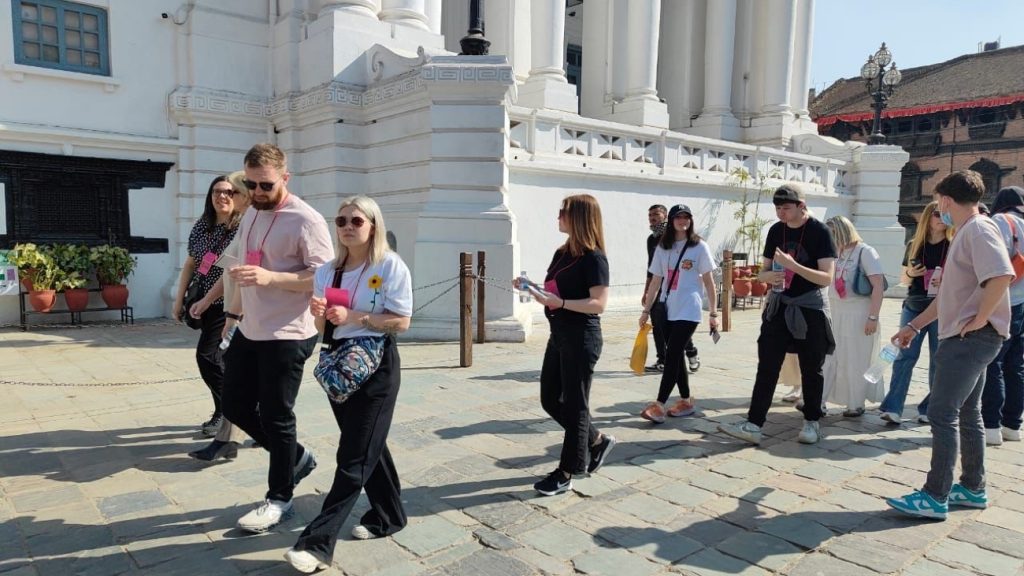
Currently, around 15,000 foreign tourists are in Nepal, many continuing their trips while others are preparing to return home. Joshi emphasized that priority has been given to ensuring no negative perceptions arise among these visitors. The Board is also conducting a comprehensive study to assess damages to hotels and tourism services during the protests.
Visitor Statistics Show Mixed Trends
According to NTB data, 25,500 foreign tourists visited Nepal in September 2025, compared to 88,680 arrivals in August. In 2024, the country welcomed over 1.14 million visitors, while 2023 saw around 1.01 million arrivals. The highest recorded inflow was in 2019, with nearly 1.2 million tourists. Despite fluctuations, industry insiders remain confident that Nepal’s appeal as a destination will endure.
Calls for Unity and Stronger Promotion
Binayak Shah, President of the Hotel Association Nepal (HAN), emphasized the need for collective efforts to drive recovery. “As the tourist season begins, it is crucial to spread positive messages from Nepal. History has shown that our tourism sector revives quickly even after major setbacks,” Shah said.
He stressed that tourists currently in Nepal must be guided safely to their destinations and departing visitors should be able to return home smoothly. With significant investments in hotels, airports, and infrastructure, Shah argued that Nepal can attract higher numbers from key markets like India and China through effective management and promotion.
PATA and Associations Show Optimism
The Pacific Asia Travel Association (PATA) Nepal Chapter also voiced optimism. General Secretary Narendra Dev Bhatt acknowledged the negative short-term impact but expressed confidence that normalcy would return soon. Similarly, the Nepal Mountaineering Association (NMA) and Trekking Agencies’ Association of Nepal (TAAN) jointly appealed for unified efforts to revive tourism, urging the government to restore peace and ensure a tourist-friendly environment.
Hotels Face Billions in Losses
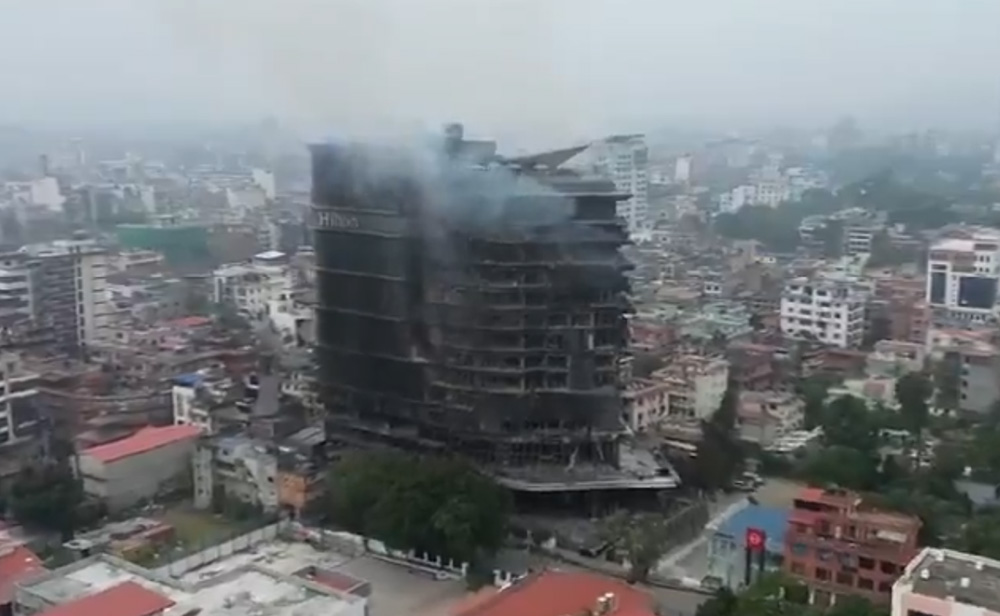
The hotel industry has been among the hardest hit. According to HAN, nearly two dozen hotels across Kathmandu Valley, Pokhara, Butwal, Bhairahawa, Jhapa, Morang, Biratnagar, Dhangadhi, Mahottari, and Dang sustained damages during the protests. Both domestic and international brands were affected by vandalism, arson, and looting.
Preliminary estimates suggest losses amounting to over Rs 25 billion nationwide. In Kathmandu alone, the Hilton Hotel reportedly suffered damages worth over Rs 8 billion, marking one of the most significant individual losses.
Path to Recovery
Despite the setbacks, stakeholders are confident that Nepal’s tourism will once again rise. The industry has consistently demonstrated resilience, bouncing back from disasters and crises in the past decade. With strong collaboration between the government, private sector, and international partners, Nepal aims not only to recover but also to re-establish itself as one of the world’s most remarkable destinations.
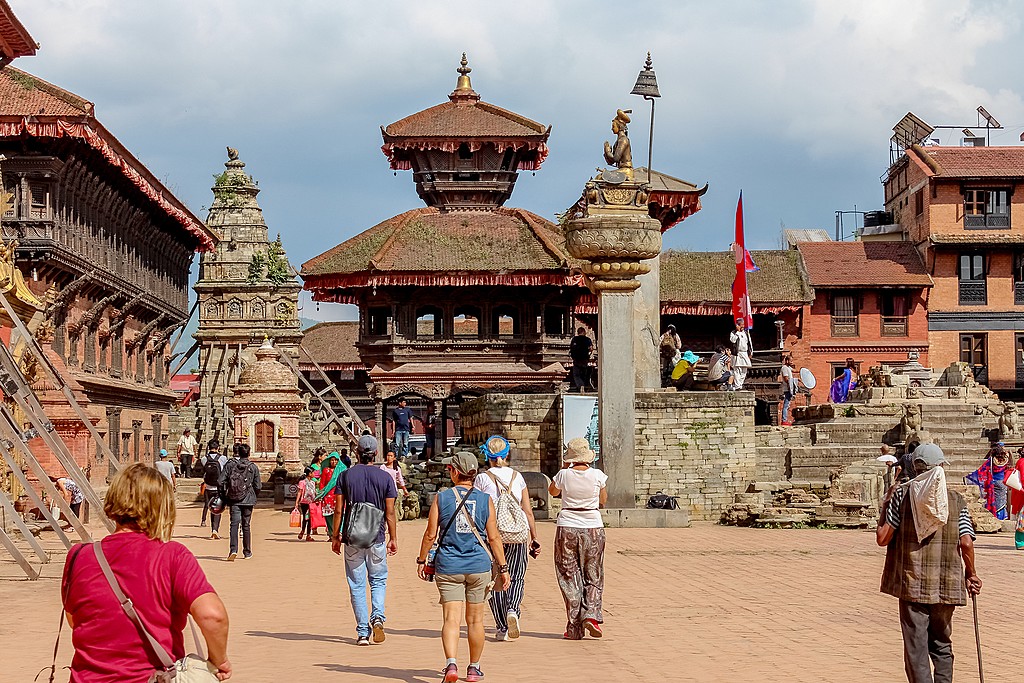
As experts, hoteliers, and associations underline, the key lies in restoring confidence, ensuring safety, and promoting Nepal positively on the global stage. While the scars of the protests remain, Nepal’s breathtaking landscapes, cultural richness, and warm hospitality continue to offer unmatched experiences to visitors from around the world.