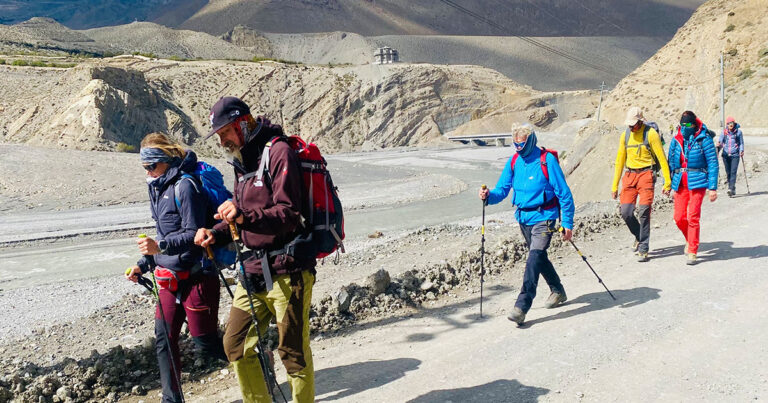
Nepal is preparing to witness a historic moment as, for the first time, a visually impaired Nepali climber will attempt to scale Mt. Everest, the world’s highest peak. Rajesh Kumar Aryal, a teacher originally from Dang and currently working in Salyan, has announced his ambitious plan to climb Mt. Everest during the spring season of 2026.
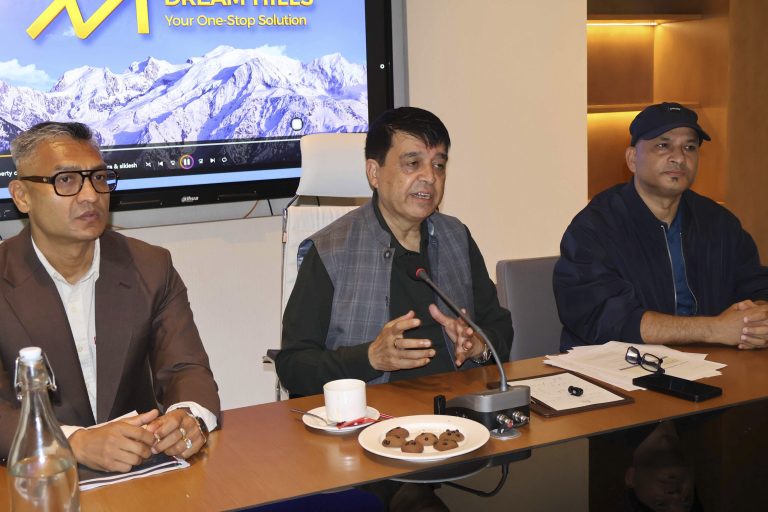
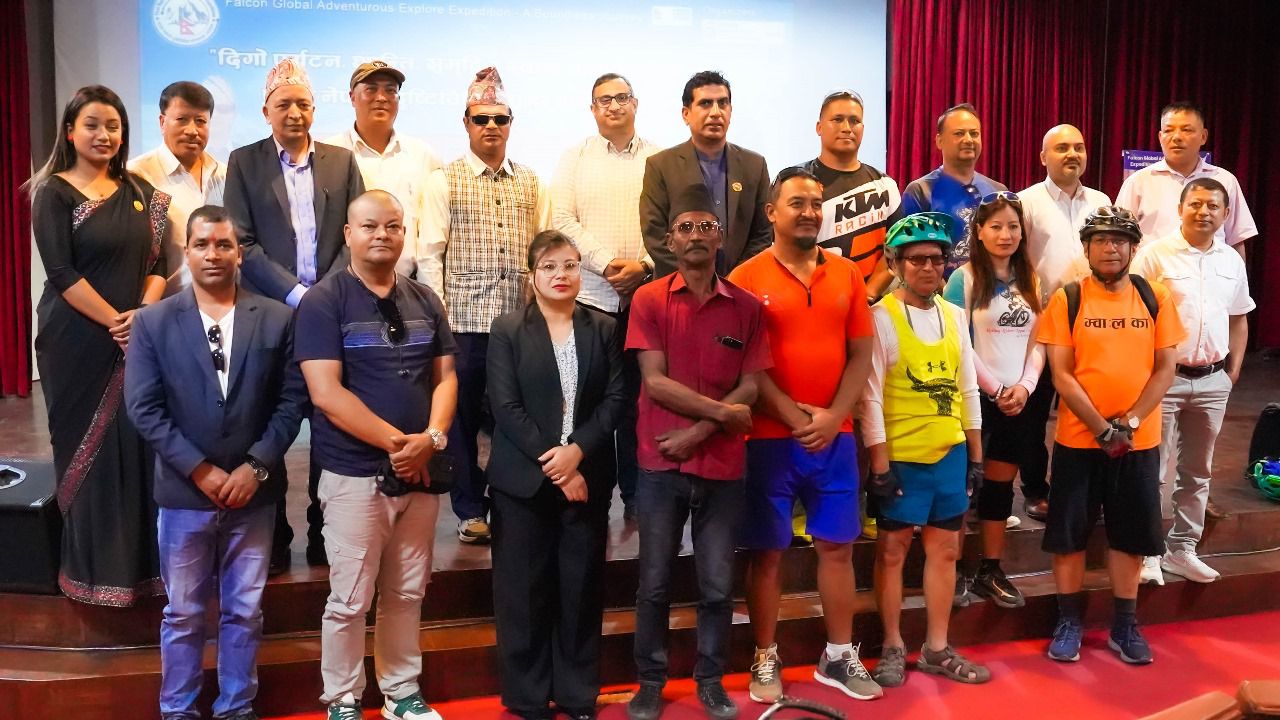
The announcement was made during a press conference organized at the Nepal Tourism Board (NTB) hall in Bhrikutimandap, Kathmandu, on Tuesday. The event highlighted Aryal’s journey, his determination, and the broader goals of the campaign.

Campaign with a Powerful Message
The expedition has been launched under the theme “Sustainable Tourism, Peace, Prosperity, and Clean Environment.” It is jointly organized by the Nepal–Greece Friendship and Cultural Association and the Globally Concern Center for Climate Change (G4C).
According to the organizers, the campaign carries special importance as it seeks to spread national and international awareness about climate change, Himalayan conservation, and the promotion of sustainable tourism. Beyond being a personal challenge for Aryal, the climb is envisioned as a platform for environmental advocacy and global solidarity.
Voices of Support and Inspiration
At the press meet, Manoj Newa Khadgi, President of the Nepal–Greece Friendship and Cultural Association, expressed confidence that Aryal’s courageous journey would inspire not only Nepalis but also people with disabilities around the world.
Similarly, P.K. Sherpa, a seasoned climber and Chairperson of the Globally Concern Center, announced that he would take responsibility for the expedition’s complete management and mountaineering guidance. He emphasized the necessity of cooperation from all sides to ensure the mission’s success, underscoring the magnitude of the challenge and the opportunity it presents.
Bikram Pandey Kaji, Honorary Consul General of Greece and patron of the organizing association, highlighted that the campaign would play a crucial role in promoting Nepal’s international profile.
Adding to the support, Sunil Sharma, Senior Manager of the Nepal Tourism Board, pointed out that this initiative would spread a powerful message on climate change mitigation, environmental protection, and tourism promotion. He noted that the attempt aligns with broader national efforts to encourage eco-friendly adventure and showcase Nepal’s resilience on the global stage.
Linking Adventure with Climate Action
As part of the campaign, the organizers also announced a large-scale cycling journey to Everest Base Camp, symbolizing commitment to reducing carbon footprints and raising awareness about rising global temperatures. This will be the largest group cycling activity to the base camp ever organized in Nepal, further amplifying the message of sustainable tourism and environmental protection.
Suresh Baral, Chairperson of the District Hotel Entrepreneurs Association, reiterated that the cycling event, along with Aryal’s historic climb, would set new milestones in Nepal’s tourism and climate awareness campaigns.
Broad Community Engagement
The program saw the participation of social workers, entrepreneurs, cultural activists, writers, and professionals connected with the tourism industry. Many shared their views, emphasizing the importance of collective support to ensure the expedition’s success.
Speakers described the campaign as more than just an individual feat—it is a matter of national pride and an opportunity to strengthen Nepal’s global standing as a leader in inclusive and sustainable adventure tourism.
Aryal’s Determination and Preparation
During the event, Rajesh Kumar Aryal himself addressed the audience, stating that although he is visually impaired, his strong willpower, discipline, and training have equipped him to take on the challenge of climbing Everest. He stressed that his journey is dedicated to presenting Nepal to the world as a champion of sustainable tourism and environmental stewardship.
Aryal has already completed basic mountaineering training and is set to undertake a preparatory climb of a peak above 6,000 meters this November. This will serve as a crucial step toward building the physical endurance, technical skills, and high-altitude experience necessary for Everest.
Resource Requirements and Call for Support
Organizers highlighted that the campaign will require significant financial resources for high-quality equipment, professional Sherpa guides, permits, and logistical arrangements. They appealed for contributions from institutions, associations, and individuals, emphasizing that such support is vital to turn this historic vision into reality.
Arrangements have also been made for interested supporters to directly contact the organizers to extend their assistance. The campaign is positioned not only as a personal mission for Aryal but also as a collective effort to promote inclusivity, sustainability, and Nepal’s tourism potential.
Broader Significance of the Attempt
The planned Everest climb by Aryal represents far more than a physical challenge. It is an inspiring story of resilience and courage that is expected to motivate millions, especially people with disabilities, by proving that no dream is beyond reach.

It also carries immense symbolic weight for Nepal. With Everest already the centerpiece of global mountaineering, Aryal’s attempt is likely to attract widespread international attention, reinforcing Nepal’s image as a destination of not just adventure but also inspiration. By integrating messages of climate action and sustainable tourism, the campaign sets itself apart as a pioneering initiative that goes beyond traditional mountaineering achievements.
A New Chapter in Nepal’s Tourism and Mountaineering History
If successful, Rajesh Kumar Aryal will become the first visually impaired person from Nepal to stand on the summit of Everest. This will mark a new chapter in the history of Nepalese mountaineering and add another proud achievement to the nation’s adventure tourism sector.
The campaign is being hailed as a turning point that merges inclusivity, environmental advocacy, and national pride. Organizers, supporters, and well-wishers across Nepal and abroad are uniting behind Aryal, confident that his journey will leave a legacy far greater than the climb itself.