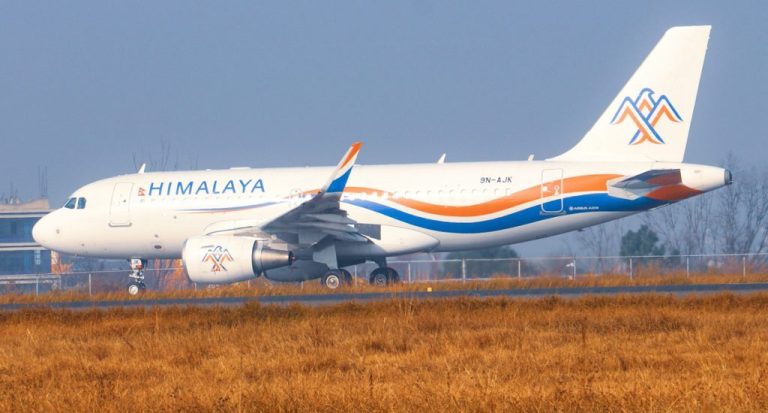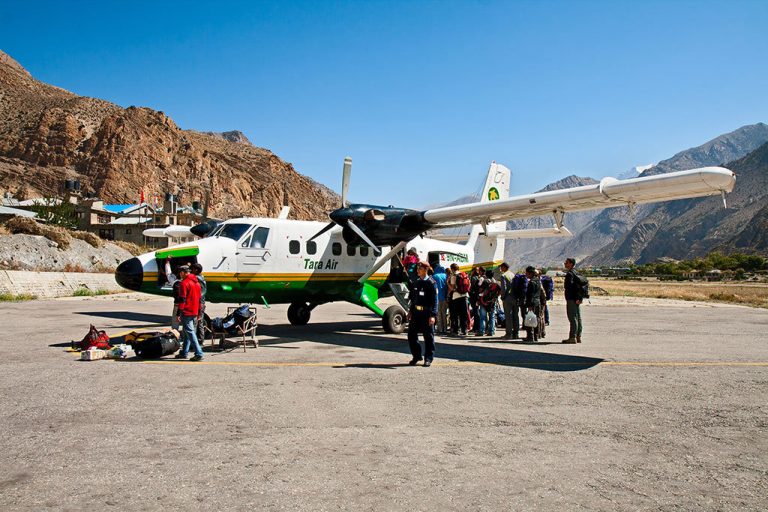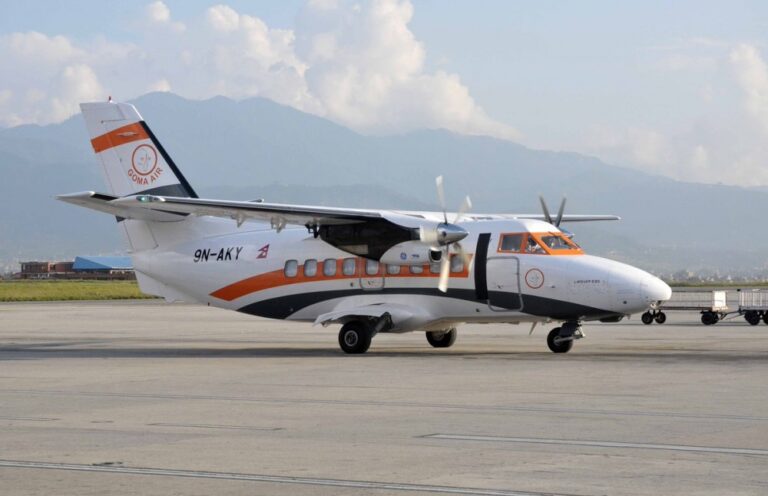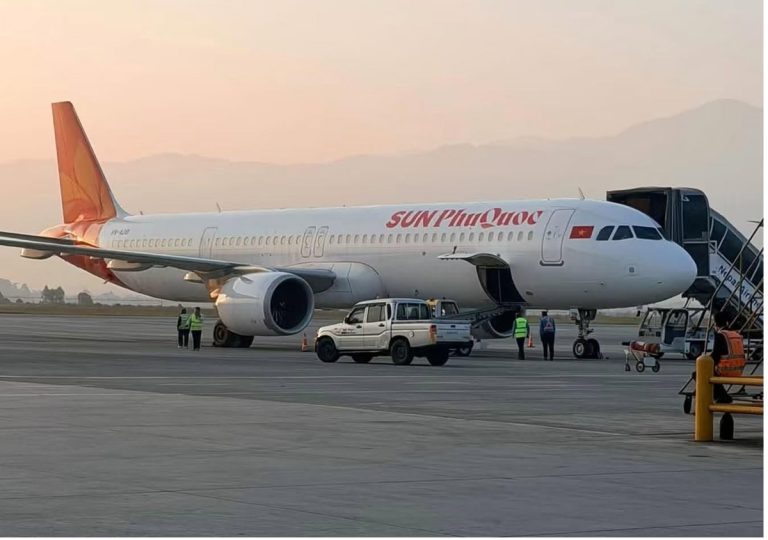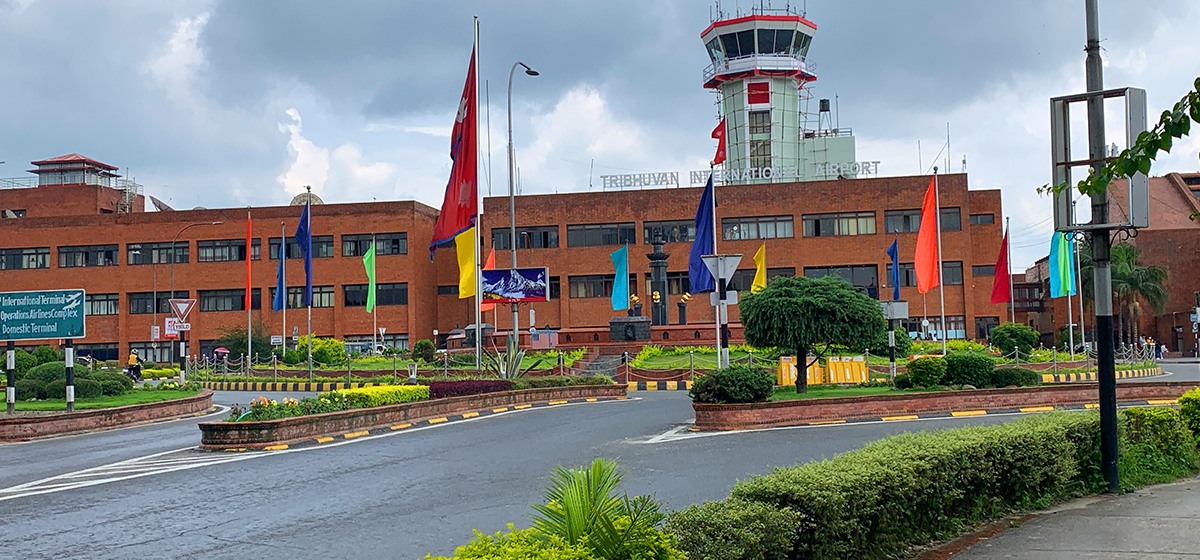
With the onset of Bada Dashain, Nepal’s busiest festival, air travel across the country has surged significantly. Tribhuvan International Airport (TIA), the nation’s primary international gateway, has reported a notable increase in both domestic and international flights as travelers head to their hometowns to celebrate the festive season.
According to Rinji Sherpa, a spokesperson for TIA, domestic flights have been under pressure since Ghatsthapana, the first day of Dashain. Today, TIA has scheduled 167 one-way domestic flights. Although 141 flights were planned on Wednesday, adverse weather reduced the actual number to 135 flights. With improved weather conditions today, flights have resumed at full capacity.

Private Airlines Adjust Schedules to Meet Demand
Rupesh Joshi, Marketing Director of private carrier Buddha Air, confirmed that some flights had been postponed on Wednesday due to weather conditions, leading to higher passenger density in today’s schedule. Buddha Air has arranged 170 round-trip flights for today, up from 150 flights on Wednesday, to accommodate the festival rush.
Joshi also mentioned that two additional flights have been added from Bhairahawa and Bharatpur to manage the increased passenger flow. Similarly, Anil Manandhar, Institutional Manager at Shree Airlines, noted that air traffic has increased over the past two days, primarily due to road disruptions. The surge is expected to continue until Sunday, the final day of Dashain celebrations.
Road Disruptions Push Travelers to Air Travel
The Mugling–Narayangadh highway, a primary exit route from Kathmandu, has faced repeated landslides, significantly affecting road transport. A major landslide on Ashwin 7 blocked the Tuwinkhola section, forcing many travelers to shift to air travel. Authorities have been working to clear debris and reopen the highway, but air travel remains the preferred option due to speed and convenience.
With more passengers leaving Kathmandu than returning, airfares have increased slightly. Manandhar explained that Shree Airlines is currently operating around 50 round-trip flights daily, and if regular schedules continue from Wednesday to Friday, managing domestic air traffic should become smoother.
Domestic Flight Operations
Currently, over 340 domestic flights operate daily, including services from 21 airlines, comprising 12 helicopter operators. Key destinations experiencing high passenger flow include Pokhara, Bhairahawa, and Bharatpur, where airlines have increased flight frequencies to meet demand.
TIA is operational from 6:00 am to 1:00 am, ensuring continuous service throughout the festival period. Airlines are making operational adjustments to minimize delays and accommodate the large number of passengers traveling for Dashain.
International Travel Sees Uptick
International flights have also experienced increased demand, with over 110 daily round-trip flights currently in operation. The number of passengers arriving from abroad is steadily increasing as the festive season draws tourists and Nepali expatriates back home.
The Civil Aviation Authority of Nepal (CAAN) has been coordinating with airlines to facilitate smooth operations during Dashain, Tihar, and Chhath festivals. Gyanendra Bhul, Information Officer at CAAN, confirmed that the authority is providing all necessary support to airlines for flight clearance and smooth passenger handling.
Managing Airfare Amid Rising Fuel Costs
Bhul highlighted that rising aviation fuel prices have contributed to higher airfares. He stressed the need for government intervention to regulate ticket prices, suggesting that subsidies or policy measures on fuel could help keep travel affordable during peak festival periods.
This comes as airlines strive to balance operational costs with the surge in demand. With proper coordination, domestic and international passengers can expect relatively smooth travel throughout the festival.
Coordination Between Airlines and Airport Authorities
Both private and public airlines are working closely with TIA and CAAN to manage flight schedules efficiently. The cooperation includes real-time monitoring of weather conditions, runway management, and passenger facilitation.
Airlines are also advising passengers to arrive early due to longer check-in times and enhanced security checks during the peak holiday period. Despite the challenges, airport operations have been running smoothly, ensuring that travelers reach their destinations safely and on time.

Ensuring a Safe and Smooth Travel Experience
Authorities are emphasizing safety while managing high passenger volumes. With multiple airlines and helicopters operating simultaneously, air traffic controllers and airport staff are on high alert to prevent congestion both in the air and on the ground.
The Dashain period is historically a time when air travel demand peaks, and with proper planning, TIA expects to accommodate the surge without major disruptions. Travelers are encouraged to book tickets in advance and monitor flight updates to avoid delays.
The Bada Dashain festival has brought a massive increase in air travel across Nepal, driven by both road disruptions and the cultural significance of the holiday. With over 340 domestic flights and 110 international flights daily, authorities and airlines are working diligently to ensure smooth operations. Continuous monitoring, coordination between CAAN and airlines, and passenger awareness are key to managing this peak travel period effectively.