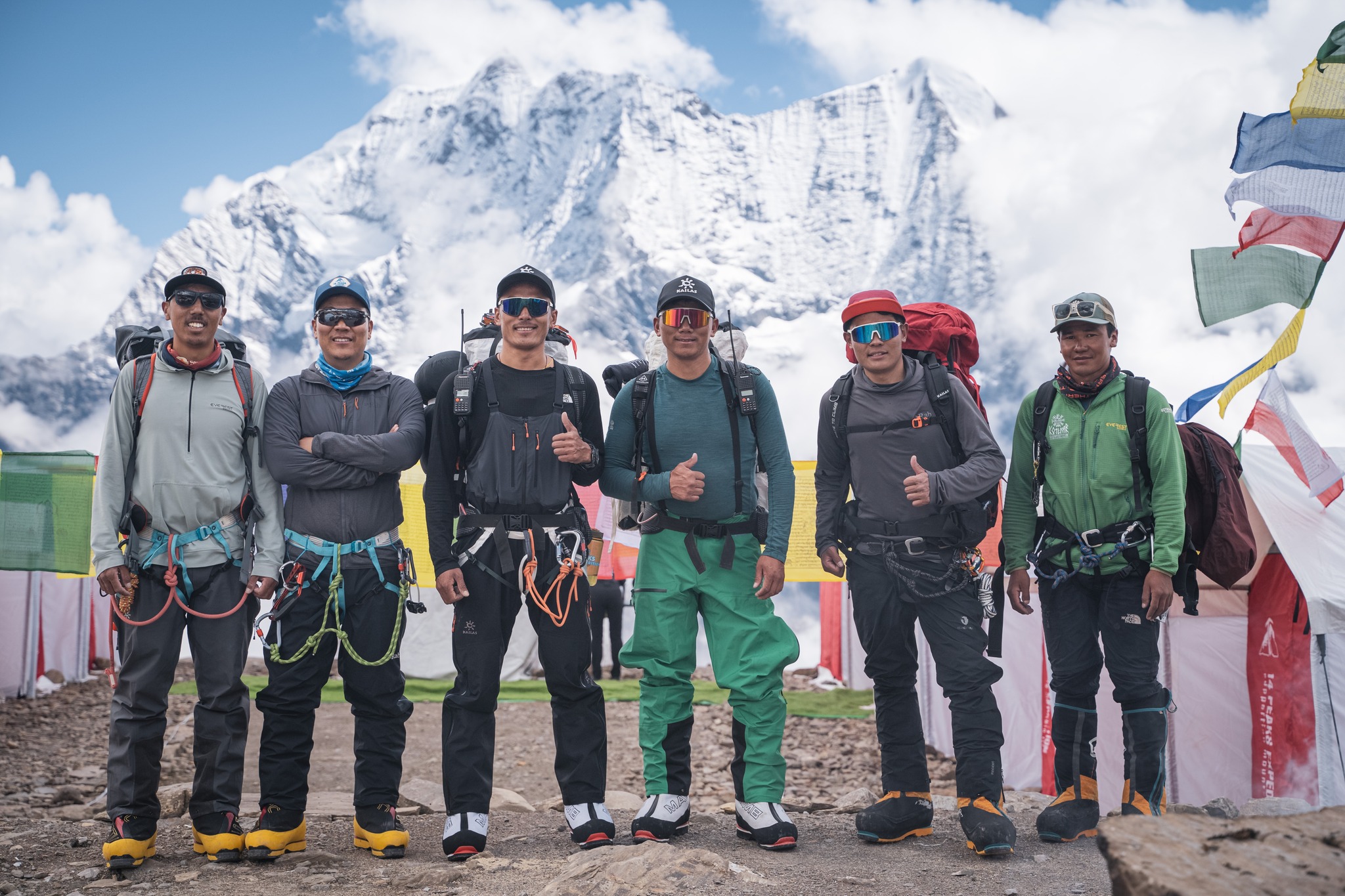
In a remarkable feat of mountaineering, members of the 14 Peaks Expedition, together with an exceptional Sherpa team, successfully reached the summit of Mt. Manaslu (8,163 meters) this morning. This accomplishment marks another proud milestone for the expedition, showcasing extraordinary perseverance, teamwork, and dedication in one of the world’s most challenging high-altitude environments.
Mt. Manaslu, the eighth-highest mountain on Earth, is renowned for its technical difficulty, unpredictable weather, and high-risk climbing routes. Achieving the summit requires not only physical endurance but also meticulous planning, precise acclimatization, and seamless collaboration between climbers and support teams.

International Climbers Conquer Manaslu
The expedition team comprised a diverse group of international mountaineers, demonstrating the global appeal of Nepal’s Himalayan peaks. The summiteers included Jo-Anne Katherine Harvey from Australia, Francois Melchior Wolfisberg from Switzerland, Dimitrii Ermakov from Russia, Amanzhol Rakhmetov and Galymzhan Kuspanov from Kazakhstan, and Reynaldo Jose Camacho Guevara from Venezuela.
Each climber brought unique experience and expertise to the team, contributing to the successful ascent. Their collective achievement underscores the spirit of international mountaineering collaboration and the shared passion for exploring the world’s tallest peaks.
Exceptional Sherpa Team Plays Crucial Role
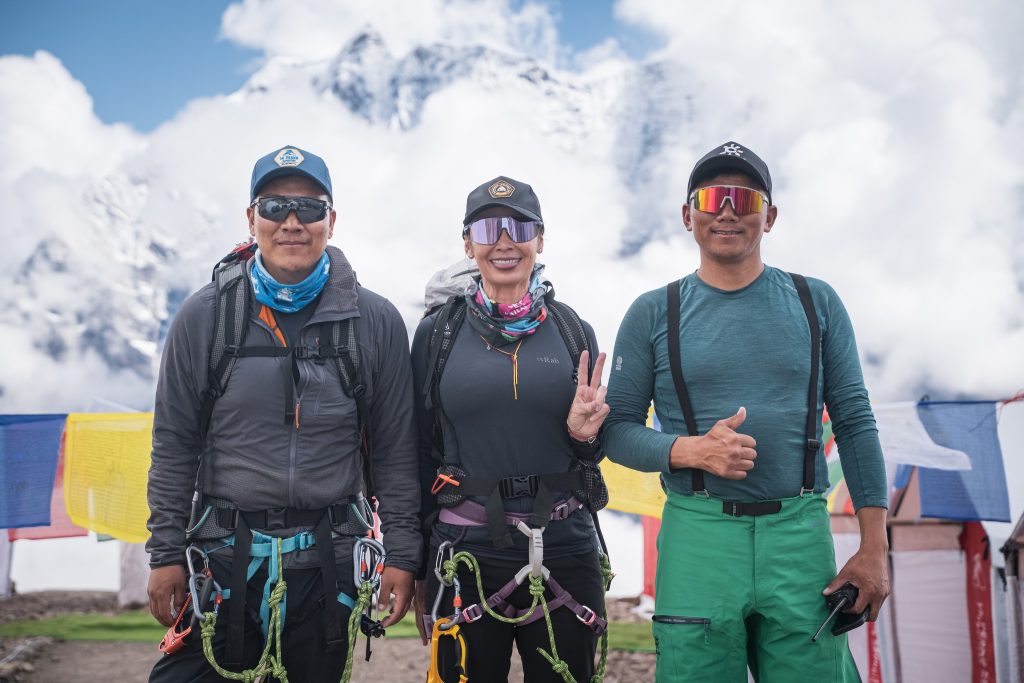
Integral to the expedition’s success was the Sherpa team from Nepal, whose unparalleled experience and guidance were critical in navigating Manaslu’s demanding terrain. The team included Dendi Sherpa from Dolakha, Sona Sherpa from Kathmandu, Pasang Nurbu Sherpa, Ang Tenzin Sherpa, Ngima Theaduk Sherpa, Phurkitar Sherpa, Ming Sona Sherpa, and Lakpa Gelu Sherpa from Sankhuwasabha and Silichong.
The Sherpas were responsible for route setting, fixing ropes, carrying loads, and ensuring the safety of climbers in high-altitude conditions. Their local knowledge, physical resilience, and logistical expertise provided the foundation for the climbers’ success.
Strategic Planning and Teamwork
The ascent of Mt. Manaslu is not only a physical challenge but also a test of strategy and team coordination. The expedition carefully managed acclimatization schedules to minimize the risks of altitude sickness and optimize performance. The climbers and Sherpa team maintained clear communication and mutual support throughout the climb, which was essential in overcoming the mountain’s unpredictable weather and steep, icy slopes.
This meticulous approach ensured that all members could safely reach the summit while minimizing exposure to high-altitude hazards. The collaborative spirit among climbers and Sherpas exemplifies how teamwork is indispensable in extreme mountaineering expeditions.
Overcoming Extreme Conditions
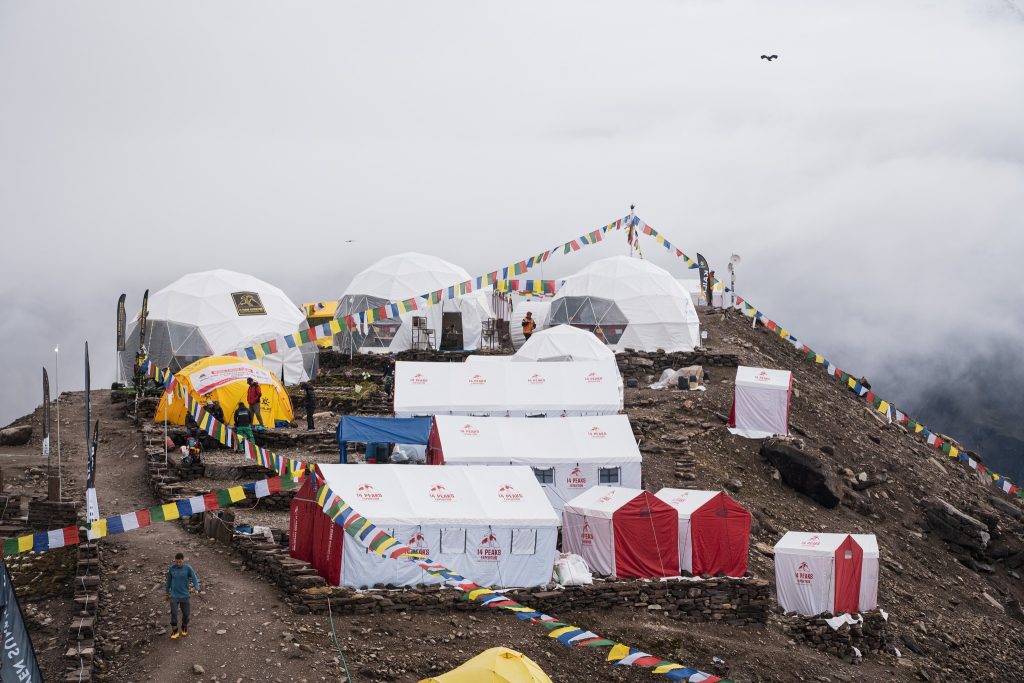
Mt. Manaslu is infamous for its rapidly changing weather, avalanche risks, and crevasse-laden glaciers. The successful ascent required careful monitoring of weather patterns and flexible climbing schedules to take advantage of favorable conditions. Despite these challenges, the expedition reached the summit in optimal weather, allowing climbers to celebrate their accomplishment safely before descending to base camp.
High-altitude mountaineering demands not only skill and strength but also mental resilience. The climbers’ ability to remain focused and composed under pressure was a key factor in the expedition’s success.
Significance of the Achievement
Reaching the summit of Manaslu is a prestigious achievement in the mountaineering world. For the international climbers, it adds a major Himalayan peak to their mountaineering portfolios, while for the Sherpa team, it is a testament to their enduring expertise and contribution to global mountaineering efforts.
This successful expedition highlights Nepal’s ongoing role as a premier destination for high-altitude mountaineering and adventure tourism. It demonstrates the value of combining local knowledge with international climbing experience to safely tackle the world’s tallest and most challenging peaks.
Safe Return to Base Camp
Following the summit, the team prioritized a safe and measured descent to the base camp. Returning safely from such extreme heights is as crucial as reaching the summit, as most mountaineering accidents occur during the descent. The expedition’s structured approach and strong team coordination ensured that all members, climbers and Sherpas alike, could return safely.
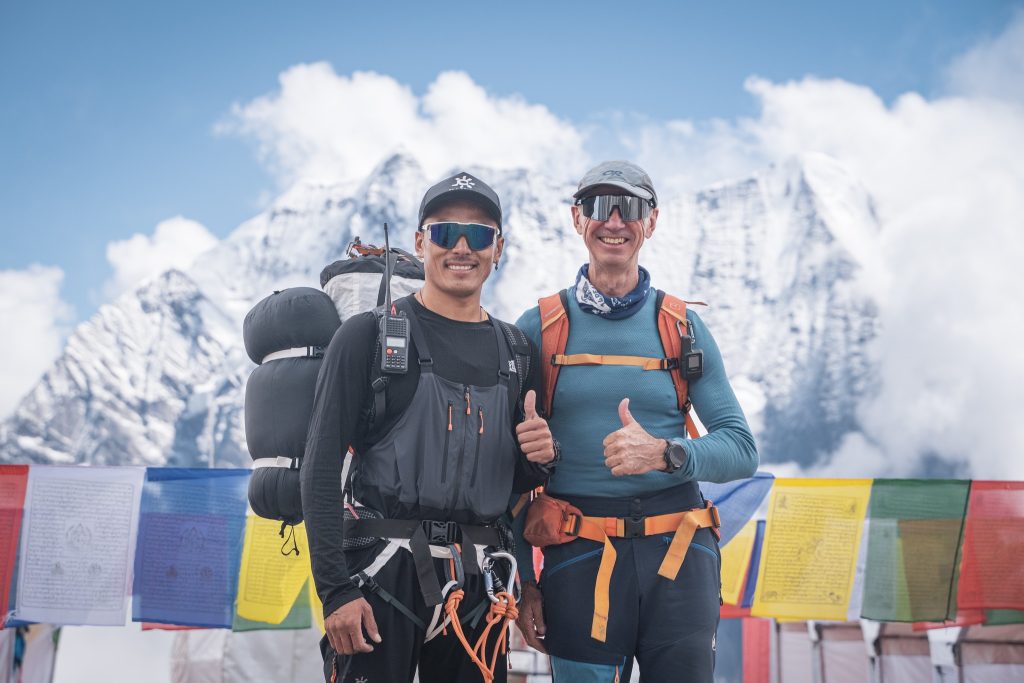
The successful completion of the ascent and safe return to base camp is being celebrated by the mountaineering community in Nepal and internationally, recognizing the skill, determination, and courage demonstrated by everyone involved.
Future Expeditions and Inspiration
The accomplishment of the 14 Peaks Expedition on Mt. Manaslu serves as an inspiration for aspiring mountaineers worldwide. It emphasizes the importance of preparation, teamwork, and respect for local expertise. The expedition also reinforces Nepal’s reputation as the home of some of the most challenging and rewarding climbs on the planet.

Such successful expeditions continue to attract climbers from across the globe, contributing to Nepal’s adventure tourism industry and fostering cultural exchange between international climbers and local Sherpa communities.
The ascent of Mt. Manaslu by the 14 Peaks Expedition and its Sherpa team is a remarkable achievement in high-altitude mountaineering. Combining international talent with the expertise of Nepalese Sherpas, the expedition has demonstrated the power of teamwork, meticulous planning, and resilience in the face of extreme conditions. This accomplishment not only adds a prestigious Himalayan summit to the climbers’ records but also highlights Nepal’s enduring prominence in global mountaineering. The mountaineering world applauds the courage, dedication, and professionalism of everyone involved in this historic expedition, wishing them continued success in future climbs.