At a time when the autumn tourist season is usually at its peak, hotels and tourism businesses in Myagdi district are facing an unprecedented slowdown. During the months of Ashwin and Kartik, tourism entrepreneurs typically welcome large numbers of domestic and international visitors. However, this year, hotels that once bustled with activity are unusually quiet.
Hotelier Rajan Lama of Beni explained that a combination of factors, including the ongoing youth-led “Gen-Z Movement” and repeated landslides on the Narayangadh–Muglin and Muglin–Kathmandu highways, has severely disrupted road connectivity, leaving the tourism sector in distress.
“Despite being the best season for trekking and pilgrimage, visitor arrivals this year are the lowest in the past two decades,” Lama lamented. “Hotels and major tourist destinations are almost deserted.”

Decline in Pilgrims and Trekkers
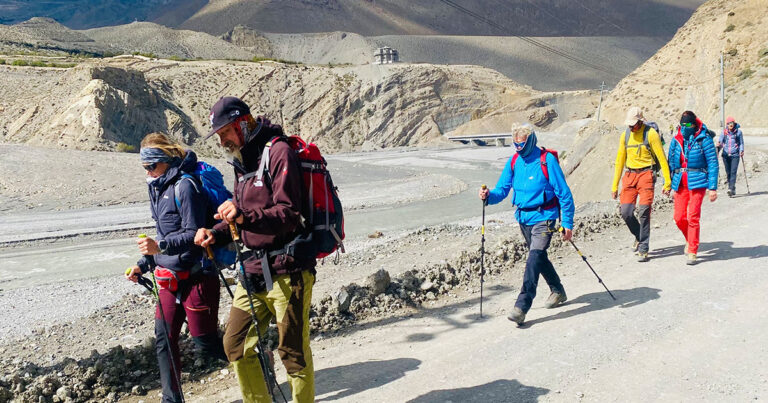
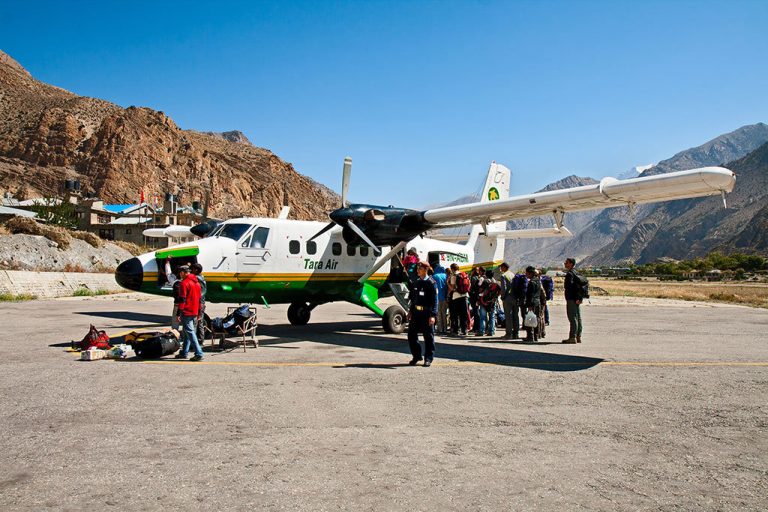
In previous years, the onset of the Dashain festival season coincided with the arrival of pilgrims traveling to Kagbeni for Shraddha rituals and to Muktinath for darshan from both Nepal and India. Similarly, the trekking flow to Mustang, Galeshwar, Bhurung–Tatopani, and Dana filled the hotels of Myagdi.
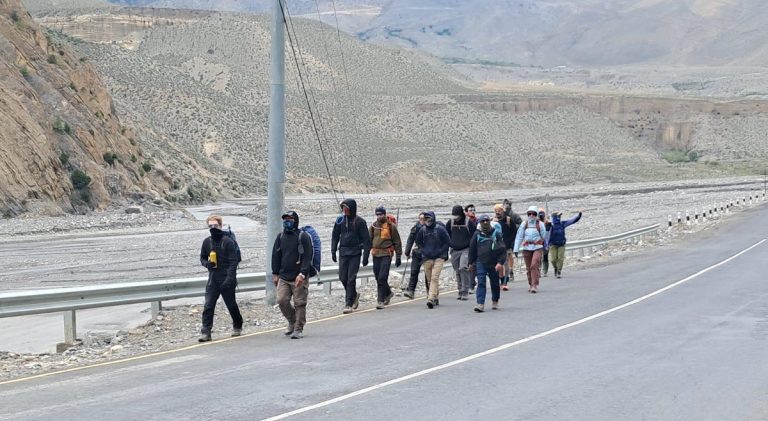
This year, however, the story is different. Even during the Shraddha period, when Kagbeni and Muktinath are normally thronged with devotees, the number of pilgrims has dropped dramatically. The world-renowned Annapurna Circuit trekking route, especially the Ghorepani–Poon Hill sector, is also witnessing only sporadic arrivals.
Hotelier Dambar Bahadur Pun of Ghorepani reported that his bookings have collapsed. “A group of 36 foreign tourists canceled their reservation citing the unstable national situation,” he said. “Compared to past years, foreign arrivals are not even a third, and domestic visitors have also not come.”
Ghorepani and Poon Hill Left Empty
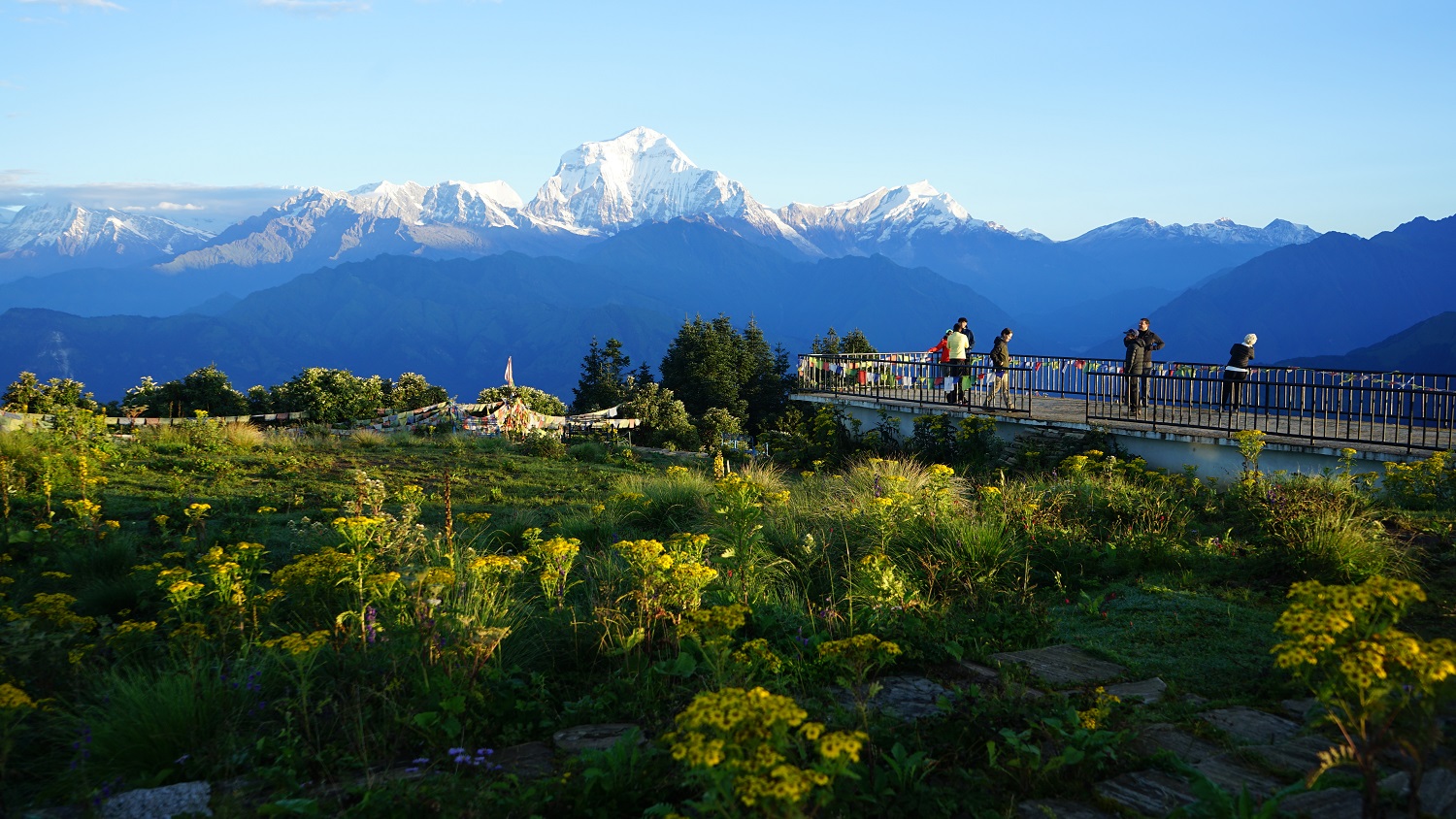
The Poon Hill viewpoint, located at 3,210 meters above sea level, is famous for its panoramic sunrise views of the Himalayas and rolling hills. Every autumn, the site typically attracts around 300 foreign trekkers and an equal number of domestic tourists daily. This year, however, visitors are scarce.
Ghorepani itself boasts 25 modern hotels with a combined capacity of around 1,000 guests per day. Yet, with the Chitre–Ghorepani road still under construction, transportation challenges have further discouraged domestic travelers, leaving the hotels largely empty.
Hot Springs Lose Visitors
Other attractions in Myagdi are suffering a similar fate. The Singa Hot Spring in Beni Municipality-4 and the Bhrung Hot Spring in Annapurna Rural Municipality-2, once popular rest spots for trekkers and travelers along the Beni–Jomsom road, now lie deserted.
The Singa Hot Spring, where water naturally emerges at 50°C, is widely recognized for its therapeutic properties. The Bhrung Hot Spring, meanwhile, has long been a favorite stop for visitors traveling to Mustang. However, the decline in tourist flow has left local businesses struggling.
Hotel entrepreneur Amritman Sherchan of Bhrung–Tatopani admitted that many business owners are now forced to seek alternative livelihoods. “Before Dashain, the arrival of tourists has been disappointing,” he said. “If the same trend continues after the festival, we will have no choice but to abandon the business and look for other ways to repay our debts.”
Fear of Long-Term Consequences
The tourism downturn is not only affecting hoteliers but also the wider local economy. Myagdi’s communities, particularly those along the Maurice Herzog trekking trail leading toward the Annapurna Base Camp, depend heavily on seasonal tourism income.
Entrepreneurs worry that if the slump continues, it could trigger a chain reaction, loss of employment, financial distress, and the closure of long-standing family-run businesses. The timing is especially painful, as autumn is traditionally considered the golden season for Nepal’s trekking industry.

Political and Infrastructure Challenges
Stakeholders highlight that Myagdi’s crisis reflects broader national issues. The Gen-Z youth protests have created an atmosphere of uncertainty, discouraging foreign tourists. At the same time, repeated landslides along key highways have made overland travel risky and unreliable.
The dual impact of political unrest and natural disasters has left Myagdi’s tourism infrastructure under severe strain. Without urgent attention from the government, both in ensuring safe road access and in stabilizing the national climate, business owners fear the decline may extend beyond this season.
Looking Ahead
Tourism entrepreneurs remain hopeful that conditions may improve after Dashain, but many are bracing for prolonged difficulties. If the downturn persists, it may force businesses to shut down or drastically cut operations, erasing decades of hard work invested in promoting Myagdi as a gateway to Mustang and the Annapurna region.
For now, hoteliers, guides, and local residents wait anxiously, hoping for better times. As Rajan Lama concluded, “Tourism is our lifeline. Unless conditions change soon, the very survival of this industry in Myagdi is at risk.”