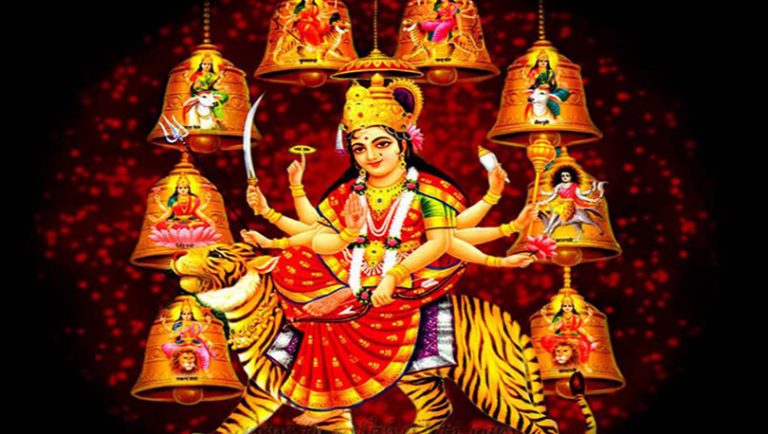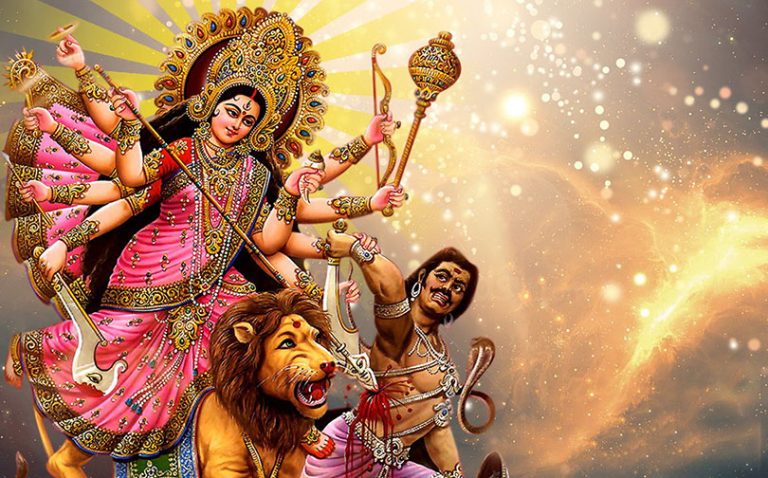
Dashain, the longest and most celebrated festival in Nepal, is a time of joy, family reunions, and religious devotion. Spanning 15 days, it symbolizes the victory of good over evil, commemorating Goddess Durga’s triumph over the demon Mahishasura. Beyond its religious importance, Dashain strengthens social and family bonds, offering a period of celebration, rituals, and cultural expression that unites people across the nation.
Historical Roots of Dashain
The origins of Dashain trace back to Hindu mythology and the ancient epics of India and Nepal. According to legend, Mahishasura, a powerful demon, terrorized the heavens and earth. The gods, unable to defeat him, combined their powers to create Goddess Durga, a symbol of divine strength and courage. After a fierce battle lasting nine nights, Durga killed Mahishasura, restoring peace and dharma. This victory is commemorated through the festival of Dashain, which embodies the triumph of righteousness and moral order. Over centuries, the festival has evolved in Nepal, incorporating local customs, rituals, and social traditions, making it a unique blend of religion and culture.

Preparations for the Festival
Weeks before Dashain begins, households across Nepal engage in meticulous preparations. Homes are thoroughly cleaned and decorated, symbolizing the removal of negativity and the welcoming of the goddess’s blessings. People shop for new clothes, gifts, and festive foods, creating a lively market atmosphere. It is also a time for reconciliation and renewing relationships, as families prepare to host relatives traveling from distant places. The anticipation builds gradually, creating an atmosphere of excitement and devotion throughout the country.
Ghatasthapana (Day 1)
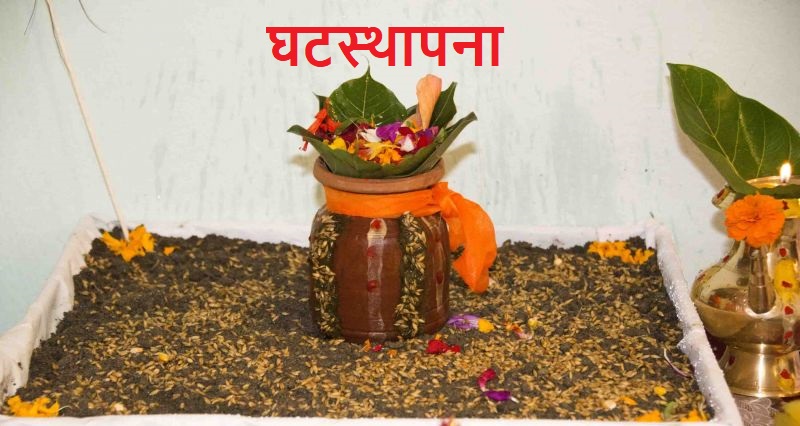
Dashain officially begins with Ghatasthapana. On this day, a sacred vessel known as the “kalash” is filled with holy water, and barley seeds are planted in sand-filled pots. These seeds, called “jamara,” symbolize life, prosperity, and fertility. Families carefully water and nurture the seeds over the festival, reflecting their devotion and hope for a fruitful year. Ghatasthapana also marks the start of worshipping Goddess Durga through daily prayers, rituals, and offerings in homes and temples.
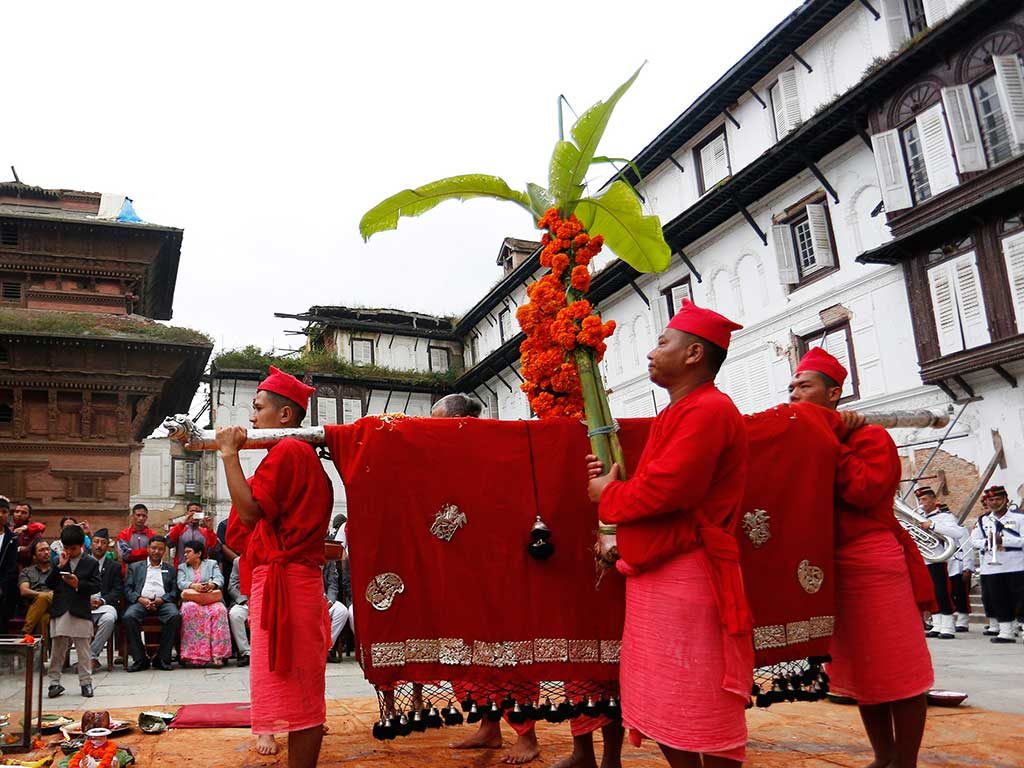
Phulpati (Day 7)
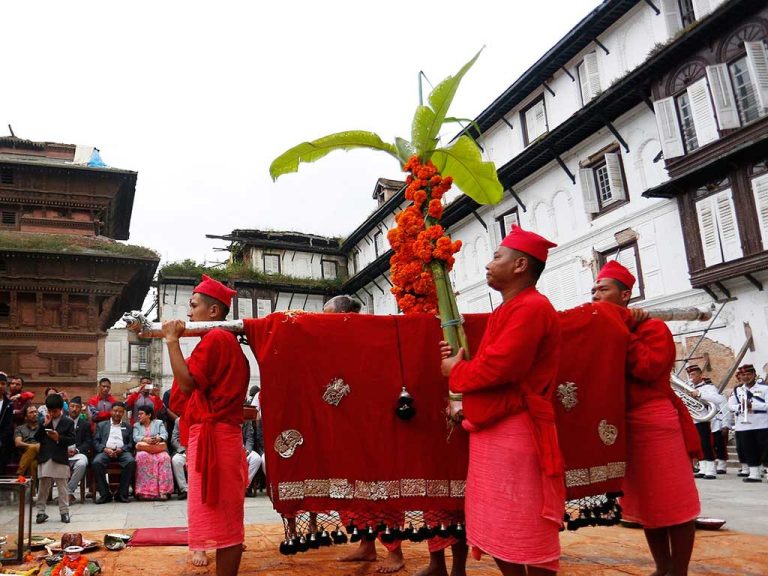
Phulpati is one of the most anticipated days of Dashain. Sacred offerings, including flowers, leaves, and fruits, are brought from Gorkha to Kathmandu in a grand procession, traditionally attended by the Royal family. People gather at Hanuman Dhoka in Kathmandu Durbar Square to witness this spectacle, which symbolizes the goddess’s blessings being shared with the people. Phulpati is a day of reverence and celebration, highlighting the unity of faith and community.
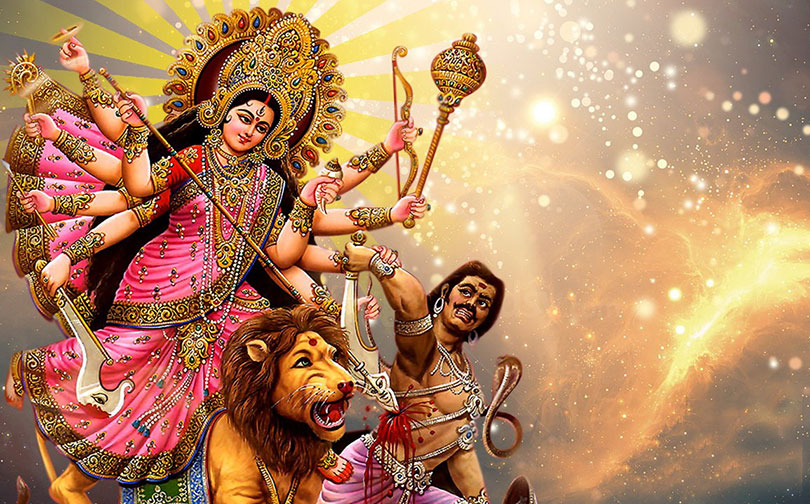
Maha Ashtami (Day 8)
The eighth day, Maha Ashtami, is dedicated to Goddess Kali, a fierce form of Durga. Devotees perform rituals that sometimes include animal sacrifices, such as goats, ducks, and buffaloes, as a sign of devotion and respect. Those who avoid sacrifices offer fruits, vegetables, and coconuts instead. Temples across Nepal are crowded with worshippers, and the atmosphere is charged with spiritual energy as devotees seek the goddess’s protection and blessings.
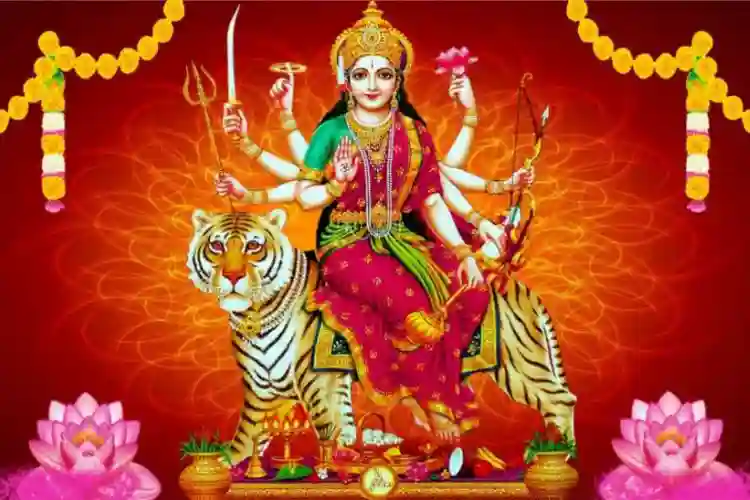
Maha Navami (Day 9)
Maha Navami marks the climax of worship during Dashain. On this day, vehicles, tools, and instruments are worshipped for protection against accidents and harm, reflecting the integration of faith into everyday life. The night is dedicated to commemorating Durga’s victory over Mahishasura. Temples, especially those of Kali, see major sacrifices and rituals. The day is both spiritual and symbolic, reinforcing the values of courage, protection, and divine justice.
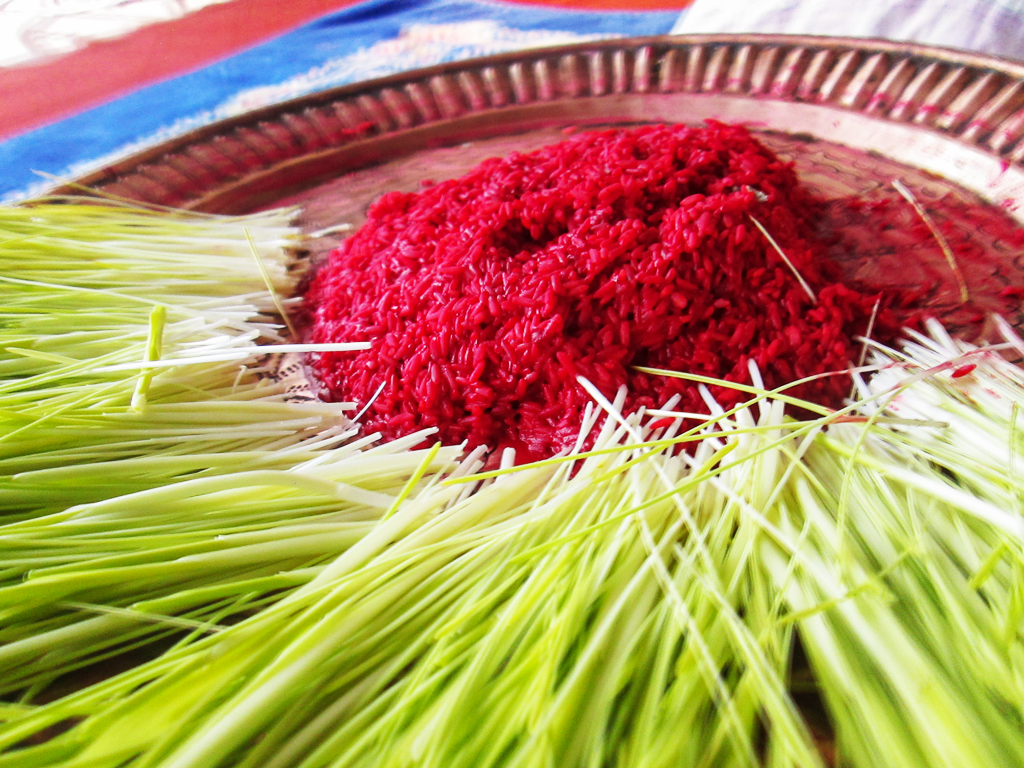
Vijaya Dashami (Day 10)
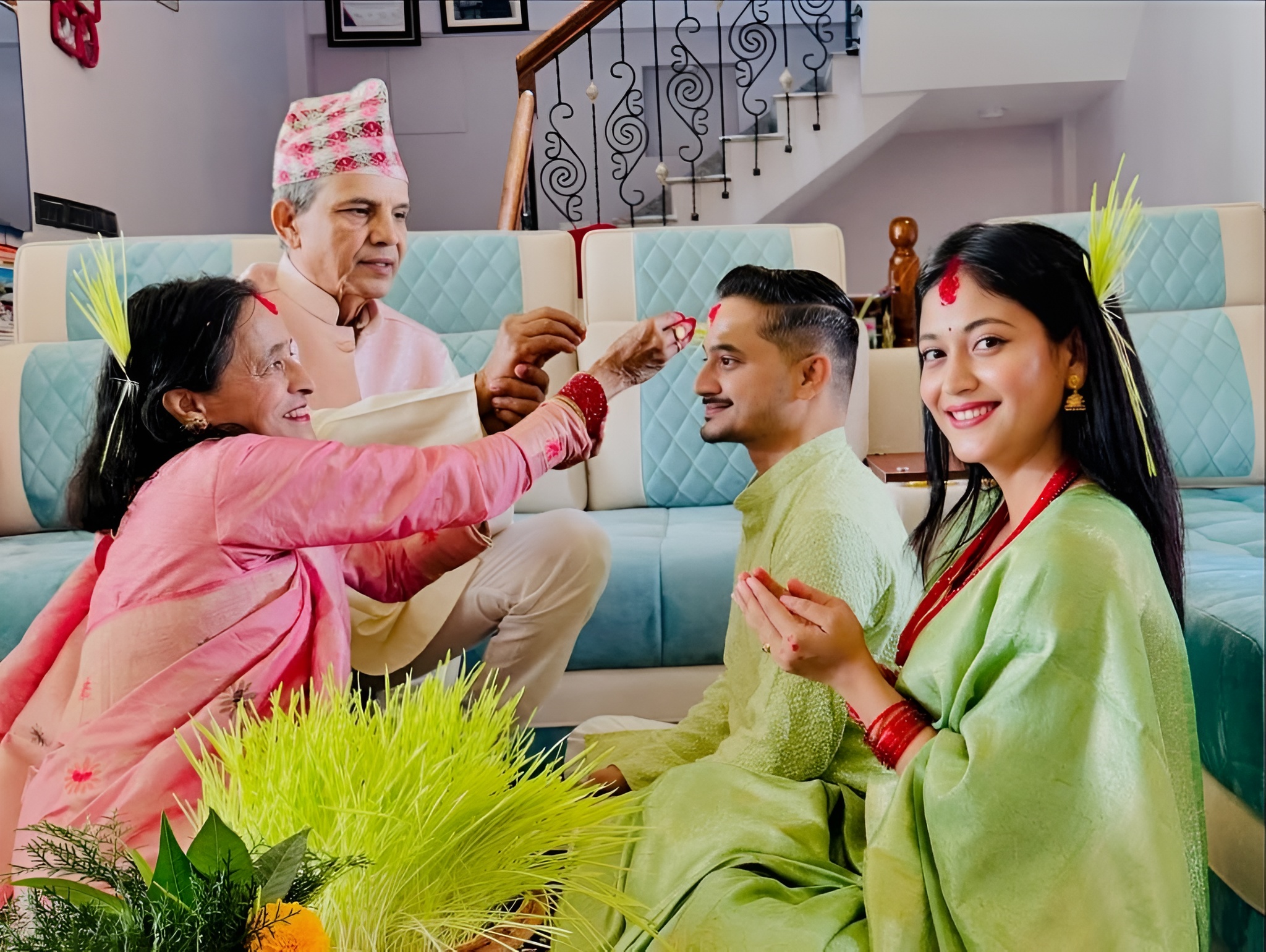
Vijaya Dashami, the tenth day, is the most significant of all. Elders apply “tika,” a mixture of rice, yogurt, and vermilion, along with “jamara” on the foreheads of younger family members, blessing them with long life, prosperity, and happiness. People also visit relatives and receive tika, strengthening intergenerational bonds. This day epitomizes family unity, respect for elders, and the passing of blessings across generations, making it the heart of Dashain celebrations.
The Final Days (Day 11–15)
Following Vijaya Dashami, families continue visiting relatives to offer and receive tika. The remaining days are marked by feasting, communal gatherings, and merriment. The festival concludes on the 15th day, Kojagrat Purnima, which coincides with the full moon. This day symbolizes prosperity, the fulfillment of wishes, and the divine presence in households.
Traditional Festivities: Kites, Swings, and Feasts
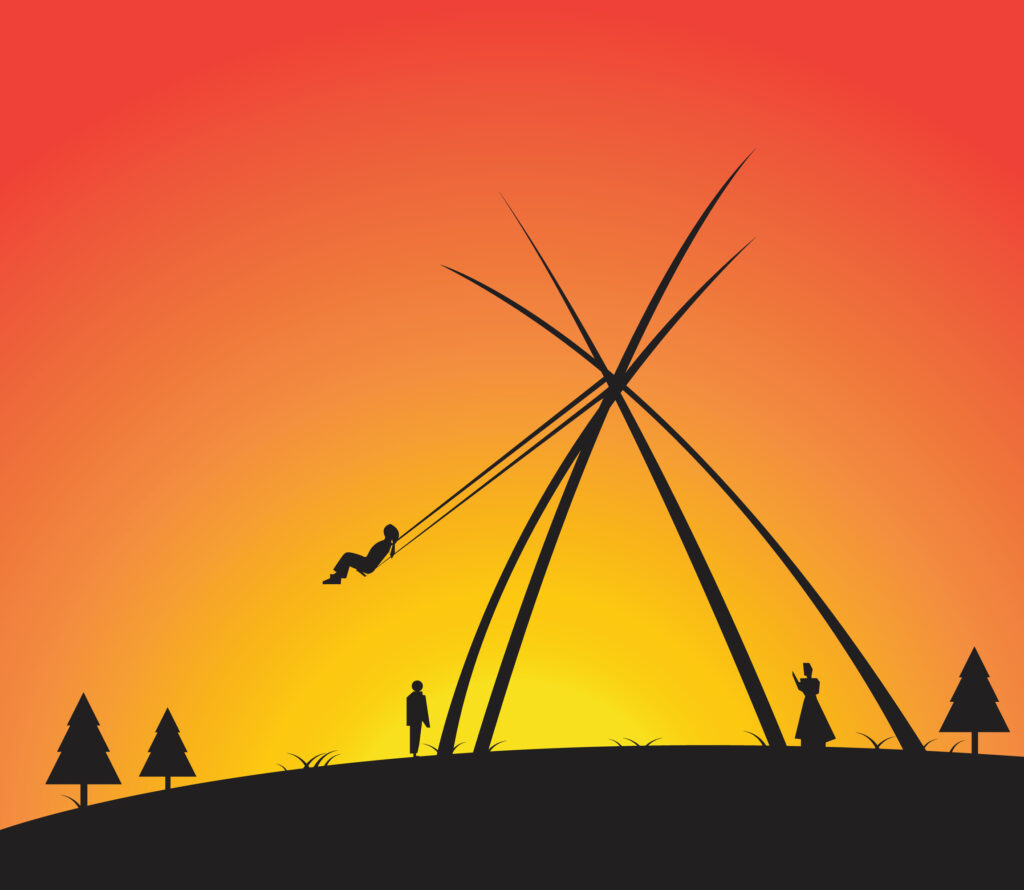
Dashain is renowned for its vibrant cultural practices. Kite flying is a favorite pastime, with colorful kites filling the skies to symbolize victory over evil and to celebrate the festive spirit. Villages and towns set up giant bamboo swings, known as “ping,” providing joy and entertainment for people of all ages. Feasting is central to Dashain, with traditional Nepali dishes like goat meat, rice, lentils, and sweets prepared and shared. These rituals of play, food, and celebration reflect the festival’s inclusive and joyous nature.

Cultural and Social Significance
Dashain transcends religion and ethnicity, uniting people from all walks of life. Schools, businesses, and government offices close, allowing people to return to ancestral homes and celebrate together. The festival reinforces family ties, social harmony, and cultural identity. It serves as a reminder of Nepal’s rich traditions, moral values, and the importance of unity, respect, and communal joy.
Dashain is far more than a religious celebration; it is the embodiment of Nepalese culture, heritage, and social cohesion. Through rituals, family gatherings, feasts, and joyful activities, the festival strengthens bonds between generations, nurtures community ties, and celebrates life itself. Rooted in history yet vibrantly alive in modern times, Dashain continues to unite the nation in devotion, happiness, and harmony.