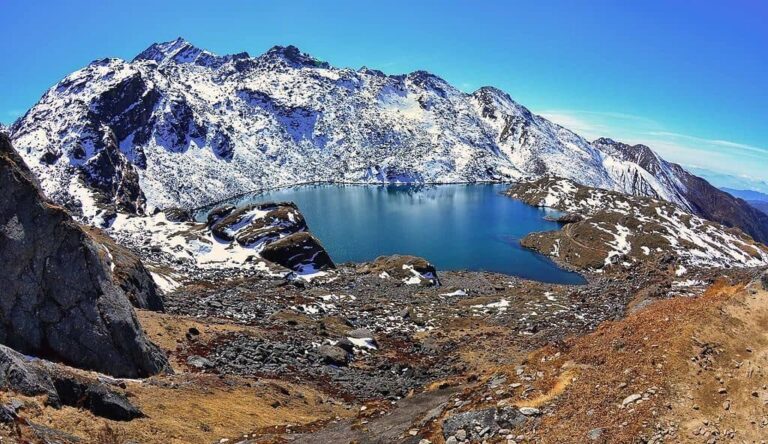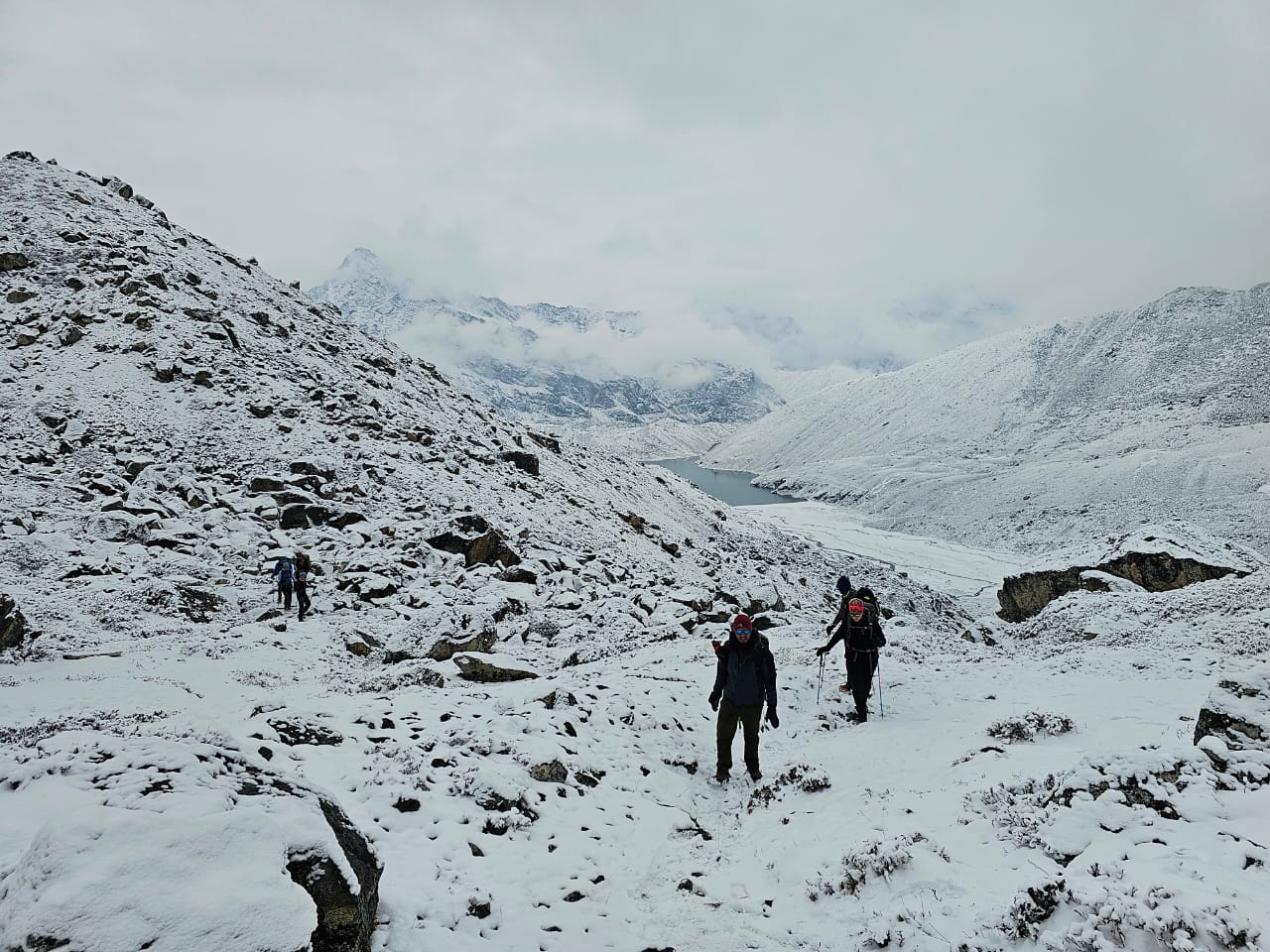
The Khumbu region, located in Nepal’s Solukhumbu district, witnessed an unseasonal snowfall early this October. With the arrival of autumn in the Everest region, the much-anticipated tourist season typically begins, bringing a wave of trekkers, traders, and locals along the popular routes from Namche Bazaar to Gokyo, Dingboche, and Phorche. Each year, mid-October marks a bustling period for the Khumbu region, where the crisp mountain air and clear skies create ideal conditions for trekking and mountaineering. However, this year’s season has taken an unexpected turn, as the region witnessed heavy and unseasonal snowfall during the first week of October, blanketing the area in white and disrupting both tourism and local livelihoods.
Unusual Early Snowfall Hits Khumbu Region
Snowfall in early October is considered highly unusual for the Everest region, which typically experiences dry and clear conditions during this time of year. This autumn’s sudden snowfall, however, has brought challenges to residents, business owners, and expedition teams preparing for the peak trekking and climbing period. The weather shift followed continuous rainfall that began last Sunday morning, leading to widespread snow accumulation in areas above Namche, particularly within Solukhumbu’s Pasanglhamu Rural Municipality.

Local resident Pasang Sherpa described the situation, saying that persistent rainfall soon turned to snow, covering key settlements such as Dingboche, Labuche, Phereche, and Gokyo under a thick white blanket. “The snow started suddenly and didn’t stop for hours,” Sherpa shared. “Everything, from the rooftops to the trails, has been buried. It feels more like mid-winter than the start of the trekking season.”
Over Four Feet of Snow Recorded in Upper Khumbu
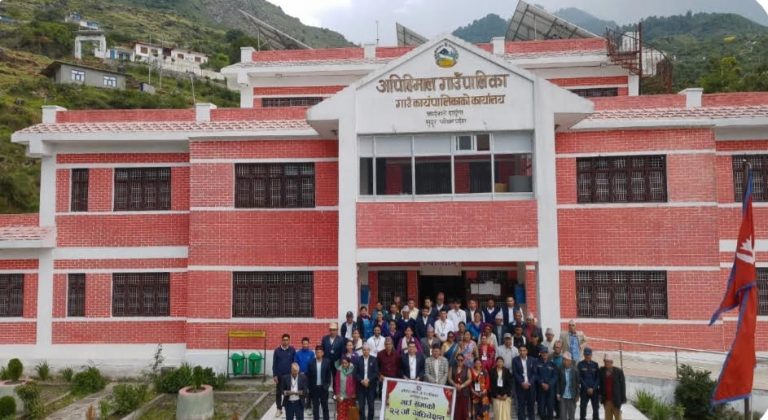
According to Laxman Adhikari, chairperson of Khumbu Pasanglhamu Rural Municipality–4, the heavy snowfall led to more than four feet of snow piling up on rooftops across the upper Khumbu region. He confirmed that the snowfall began early Sunday and continued throughout the day, severely affecting daily life and mobility. “The snow that fell in areas above Namche has disrupted daily activities,” Adhikari explained. “People are finding it difficult to move around, and businesses that rely on tourists have been temporarily shut down.”
The snowfall has also obstructed trekking routes and temporarily halted the movement of supplies and goods carried by porters and yaks. Locals have expressed concern that if the weather does not improve soon, it may affect the crucial autumn trekking window that fuels the local economy each year.
Hotels Damaged but No Human Casualties Reported
The heavy snow not only disrupted normal life but also caused significant structural damage. The District Police Office of Solukhumbu confirmed that five hotels in the Dingboche area collapsed under the weight of accumulated snow. Deputy Superintendent of Police (DSP) Manojit Kunwar stated that while there have been no reports of human casualties, the property damage has been substantial.
“The roofs of five hotels were damaged due to the heavy snow and continuous rainfall,” DSP Kunwar reported. “Fortunately, there were no injuries or fatalities, but the economic losses are significant, especially since this is the beginning of the tourist season.”
Business owners in the area are now assessing the damage and cleaning up debris to resume operations as soon as possible. However, the incident has raised concerns among entrepreneurs and local authorities about the preparedness of buildings and infrastructure in the region for extreme weather events.
Tourist Season Faces Setback
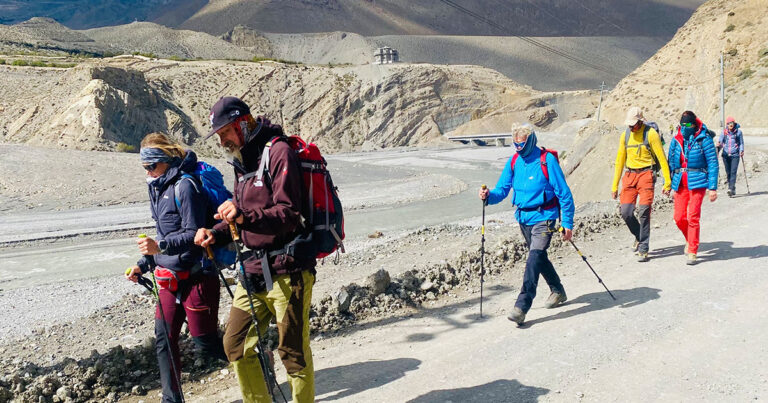
October is typically one of the busiest months in the Everest region, attracting thousands of domestic and international trekkers each year. The early snowfall has disrupted trekking schedules and delayed expeditions that were preparing to ascend popular peaks like Island Peak, Lobuche, and Ama Dablam. Many trekking agencies in Kathmandu and Namche Bazaar have reported cancellations and rescheduling of trips due to weather uncertainty.
Local guides and porters, who depend on the seasonal influx of tourists for their livelihood, have also been affected. With snow-covered trails and cold conditions, some expeditions have been postponed until clearer weather returns. “This should have been the best time for our business,” said a trekking guide from Namche. “But the snowstorm has caused delays, and visitors are waiting for updates before they continue their journeys.”
Experts Call It a Sign of Changing Climate Patterns
Meteorologists and local experts have described this rare early-October snowfall as another indicator of changing climatic patterns in the Himalayas. Normally, snowfall in the Khumbu region starts from late November or early December, but in recent years, weather anomalies have become increasingly frequent. The Department of Hydrology and Meteorology noted that the combination of residual monsoon moisture and a sudden drop in temperature likely triggered the snow event.
Experts warn that such unexpected weather phenomena could pose long-term challenges for tourism, local agriculture, and infrastructure in high-altitude regions. They also emphasize the need for better forecasting and preparedness to mitigate the economic and safety impacts of extreme weather.

Rescue and Support Efforts Ongoing
Local authorities and security personnel have mobilized to assess damage in affected settlements and assist residents. The Khumbu Pasanglhamu Rural Municipality has urged trekkers to follow updates from local offices and avoid risky routes until conditions stabilize. Meanwhile, coordination with trekking agencies and helicopter operators is ongoing to ensure safety and provide necessary assistance to stranded tourists or residents in remote areas.
Despite the disruptions, the resilient spirit of the Khumbu community remains evident. Locals are working together to clear trails, repair roofs, and restore normal life. “We have faced worse conditions before,” said a hotel owner in Phereche. “We will recover soon, but it’s a reminder that the mountains are unpredictable.”