Nepal’s vital tourism industry is facing a severe crisis as it grapples with the combined impact of September’s Gen-Z protests and subsequent natural calamities. The unrest, which targeted both domestic and multinational businesses, resulted in an estimated Rs 25 billion in losses for the hotel sector alone. The timing could not be worse, coinciding with the peak tourist season, leaving the industry struggling to recover while the government remains largely absent in its strategic response.
The protests on September 8 and 9, led by Gen-Z activists, caused widespread disruption across Kathmandu and other key tourist hubs. Hotels, restaurants, and other private enterprises were particularly affected, with several businesses reporting physical damage to their properties. Insurance claims are underway, but business owners warn that financial recovery will take months, if not years.

International Travel Advisories Hit Visitor Confidence
In the immediate aftermath, several countries issued warnings, placing Nepal on lists of risky travel destinations. The travel advisories have had a tangible effect on international tourism, with many potential visitors postponing or canceling trips. Stakeholders warn that the lack of decisive government intervention is exacerbating the situation.
Despite the ongoing crisis, the Ministry of Tourism remains without dedicated leadership. Prime Minister Sushila Karki is currently handling ministerial responsibilities in addition to her primary duties, a move tourism experts say hampers strategic decision-making. “While previous administrations have intervened to support tourism during crises, the current government has not prioritized the sector,” said an industry insider.
Calls for Strategic Interventions
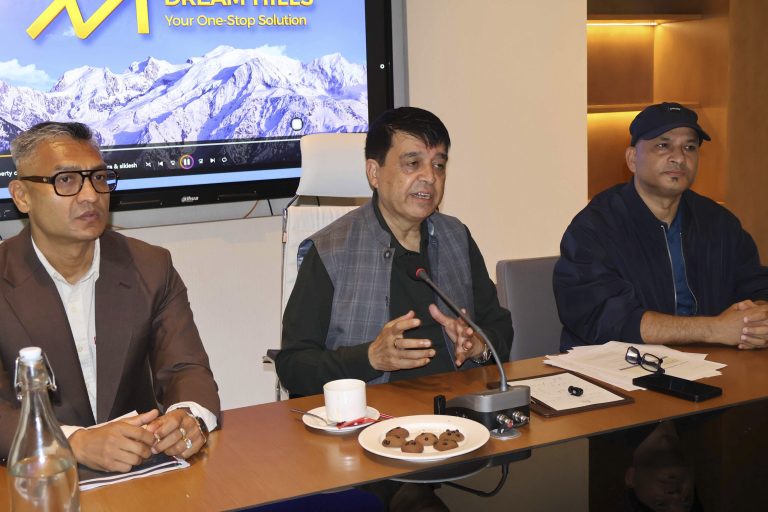
Industry leaders are urging the government to formulate immediate measures to prevent further decline. Narendra Bhatta, NTB Board member and General Secretary of the Pacific Asia Travel Association (PATA)-Nepal Chapter, emphasized the importance of a long-term strategy to revive tourism: “Without coordinated efforts, the tourism sector risks long-term weakening. The government must take proactive steps to restore confidence and ensure the industry’s sustainability.”
Deepak Raj Joshi, CEO of the Nepal Tourism Board (NTB), echoed the concerns, highlighting the operational challenges caused by leadership gaps. “It is difficult to make critical policy decisions in the absence of a dedicated minister. While the NTB is working on strategies independently, proper coordination with the ministry would significantly improve outcomes,” Joshi said.
Joint Secretary of the Ministry of Tourism, Ram Krishna Lamichhane, confirmed that ministerial-level responsibilities are being managed directly by the Prime Minister’s Office, signaling the absence of focused leadership.
Hotel Industry Bears the Brunt
The hotel sector, a cornerstone of Nepal’s tourism economy, has been hit hardest. Binayak Shah, President of the Hotel Association Nepal (HAN), disclosed preliminary estimates of Rs 25 billion in losses: “The hotel industry is facing an unprecedented challenge. Collective efforts from both the government and private sector are urgently needed to stabilize operations,” Shah said.
Following the protests, Nepal experienced heavy rains, floods, and landslides, further compounding the negative perception abroad. International media coverage of these events has amplified concerns among prospective visitors.
Tourist Arrivals Show Declining Trend
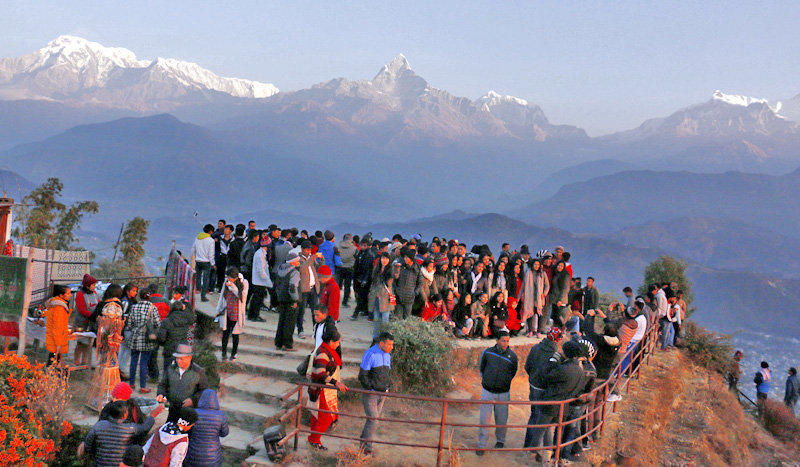
The impact on tourist arrivals is evident. September 2025 saw only 78,711 visitors, marking an 18.3 percent decline compared to 96,302 tourists in September 2024. Although the January-September 2025 period recorded 815,273 arrivals, slightly lower than 816,633 in the same period last year, the declining September figures are particularly concerning given that it is traditionally one of Nepal’s busiest months for trekking and cultural tourism.
The government’s focus on the upcoming elections has contributed to the perceived neglect of the tourism sector. Experts warn that continued inattention could undermine the industry’s long-term growth potential, which is a significant source of employment and private investment.
Private Sector Proposes Solutions
In response, the private sector has been proactive in proposing measures to mitigate the crisis. Suggestions include promoting Nepal as a safe travel destination through national and international media campaigns, inviting foreign influencers to boost visibility, and establishing a government-led task force to manage crisis response effectively.
The Nepal Tourism Board has also taken steps to maintain global engagement. NTB has been live-streaming tourist attractions, festivals, and cultural events via social media platforms to sustain international interest in Nepal despite the ongoing challenges.

The Road Ahead
Tourism stakeholders emphasize that recovery will require a collaborative approach involving both government leadership and private sector innovation. Immediate policy interventions, robust crisis communication, and sustained promotional campaigns are seen as essential to reversing the current downturn.
“The challenges are significant, but with the right strategy, Nepal can restore its image as a safe and attractive destination,” said Narendra Bhatta. “Delays will only worsen the situation, and the industry cannot afford to wait.”
As the main tourist season progresses, the pressure on the government to act decisively is mounting. For an industry that contributes significantly to Nepal’s economy, employment, and international reputation, the time for strategic leadership and coordinated action has never been more critical.