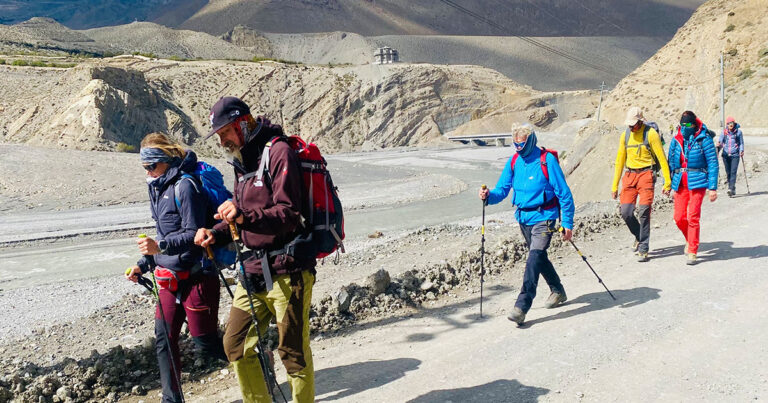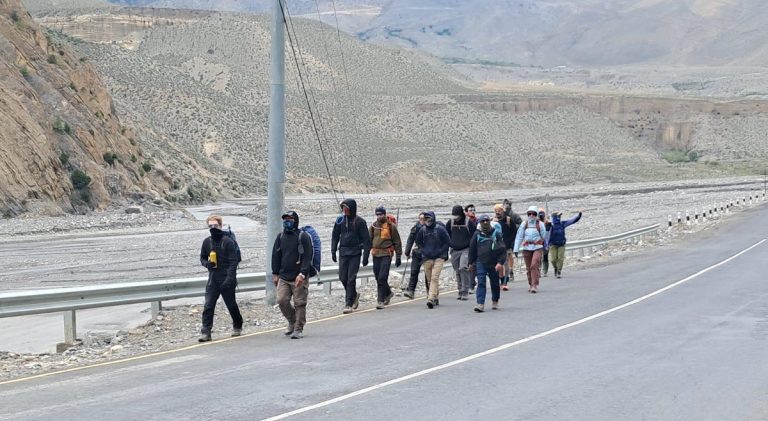
Tourist flow to Nepal’s Annapurna Base Camp and Mustang has reached record levels this festive season. Since the last week of Ashwin, a continuous stream of domestic and foreign visitors has been flocking to the region, and the surge has persisted well into the second week of Kartik.
Unprecedented Tourist Turnout in the Himalayas
Local tourism entrepreneurs say this year’s number of tourists has surpassed expectations. Hotels across Mustang, Myagdi, Baglung, and Parbat are operating at full capacity, with some struggling to accommodate guests. The long Dashain, Tihar, and Chhath holidays, along with pleasant weather, have inspired students, youth, employees, and Nepalis returning from abroad to choose these destinations for recreation and pilgrimage.

Muktinath and Annapurna Base Camp Top the List
Among domestic travelers, Mustang’s Muktinath Temple remains the first choice, drawing pilgrims and adventure seekers alike. Tourists visiting Mustang also explore Korala Pass, Lo Manthang Palace, Chhoser and Chiwsi Caves, Charang and Marang Monasteries, Kagbeni, Dhumba Lake, and Marpha Village. According to the local administration, over 800,000 domestic and 150,000 international tourists visit Mustang annually, a number expected to rise further this season.
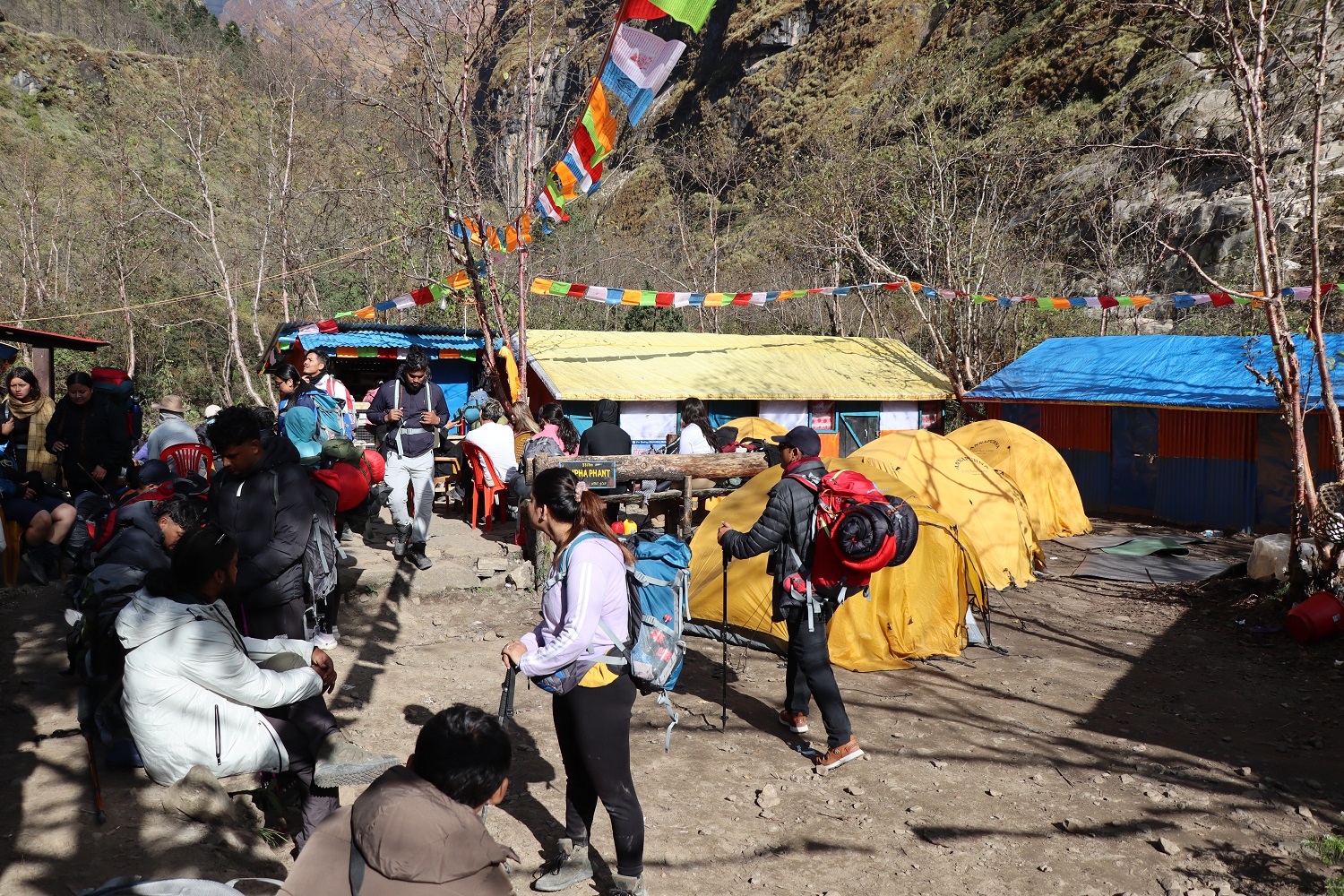
At the same time, travelers with a spirit of adventure have been drawn to the Annapurna Base Camp (ABC) located in Annapurna Rural Municipality–4 of Myagdi district. Reached through mesmerizing waterfalls, the blue Panchakunda Lake, and breathtaking mountain vistas, the Base Camp sits at an altitude of 4,190 meters beneath Annapurna and Nilgiri peaks. Many hikers complete the round trip within three days.
Accommodation Crisis Amid Record Arrivals
Each day, around 8,000 visitors enter Mustang via road, while more than 500 trekkers head for Annapurna Base Camp. Beni-based hotel entrepreneur Hari Krishna Shrestha shared that both destinations are experiencing overwhelming demand beyond hotel capacity. “This year, the influx to Annapurna Base Camp has added pressure to the hotels already packed with pilgrims visiting Muktinath and Upper Mustang,” said Shrestha. “Though tourists come with money to spend, the lack of proper infrastructure means many struggle to find food and lodging.”
Emergency Coordination for Tourist Management
To tackle the crisis, local administrations, security agencies, hotel associations, and the chambers of commerce in Myagdi and Mustang have urged visitors to book accommodations in advance. They’ve also coordinated temporary lodging in Kushma, Baglung, and Pokhara, using homes, community buildings, and guest houses to handle the overflow.
Currently, Myagdi’s hotels can accommodate around 2,000 guests daily, while Mustang can handle up to 3,000, still insufficient given the massive inflow.
Full Bookings Until End of the Week
Raju Hamal, a hotel operator from Bhurung-Tatopani, reported that all hotels along the Maurice Herzog Trail, connecting to Annapurna Base Camp, are fully booked until the week’s end. “After Chhath, arrivals will slightly decline as schools and offices reopen, but occupancy remains strong,” Hamal noted. “After recent political disruptions and bad weather, this surge has brought much-needed relief to local tourism.”
Improved Road Access and Social Media Boost
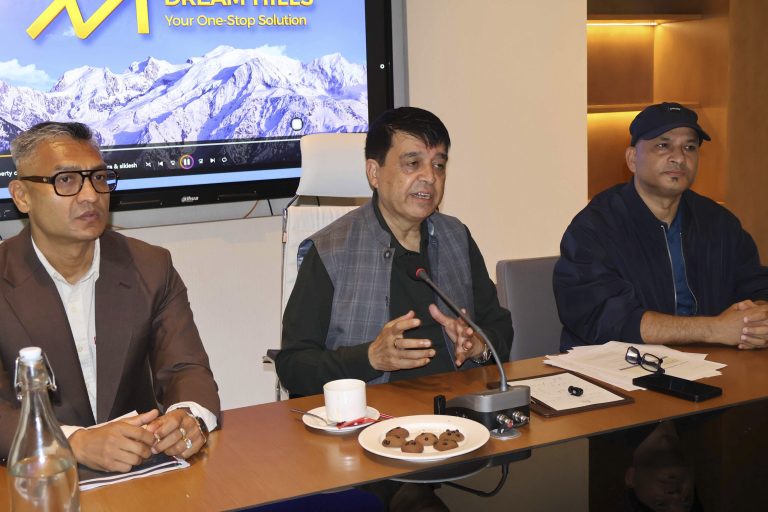
Improved road connectivity and extensive social media exposure have made Mustang and Annapurna Base Camp top picks for domestic travelers, said Subin Shrestha, President of the Myagdi Chamber of Commerce and Industry. “Mustang attracts those seeking pilgrimage to Muktinath and Kagbeni, mountain and desert views, and cultural experiences. Meanwhile, young travelers are drawn to Annapurna Base Camp for its proximity to the Himalayas,” he explained.
Shrestha added that viral social media posts and news coverage have significantly boosted the destinations’ popularity, encouraging new investment and expansion of hotel facilities. The government, he said, now faces pressure to upgrade infrastructure along the trekking routes.

Call for Better Infrastructure and Regulation
Visitors have urged authorities to improve the Beni–Jomsom road section, prone to landslides and incomplete upgrades. They also requested uniform transport fares, hotel categorization, and standardized service charges. Trekkers heading to Annapurna Base Camp have demanded repair of the Narchyang–Humkhola road, better communication and electricity facilities, and expanded capacity along the route’s hotels and lodges.
Government Coordination Underway
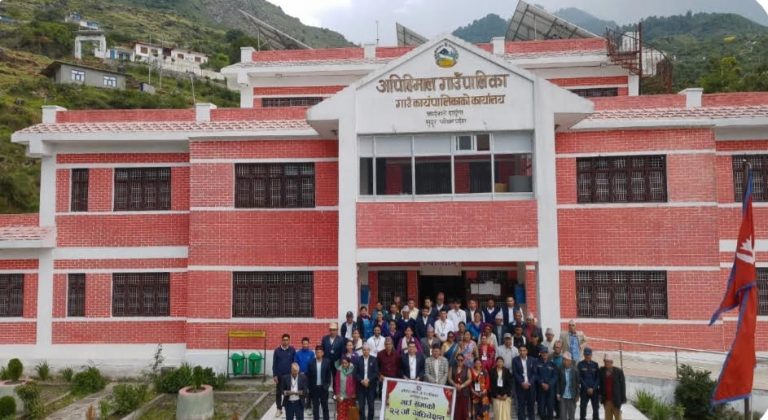
Gandaki Provincial Assembly member Hari Bahadur Bhandari (Myagdi–1A) said that coordination among federal, provincial, and local governments, the Annapurna Conservation Area Project (ACAP), and the private sector is crucial to identifying and resolving tourism-related challenges. “Tourism is the backbone of our mountain economy. A unified approach is essential to sustain this momentum and ensure long-term benefits for local communities,” Bhandari stated.