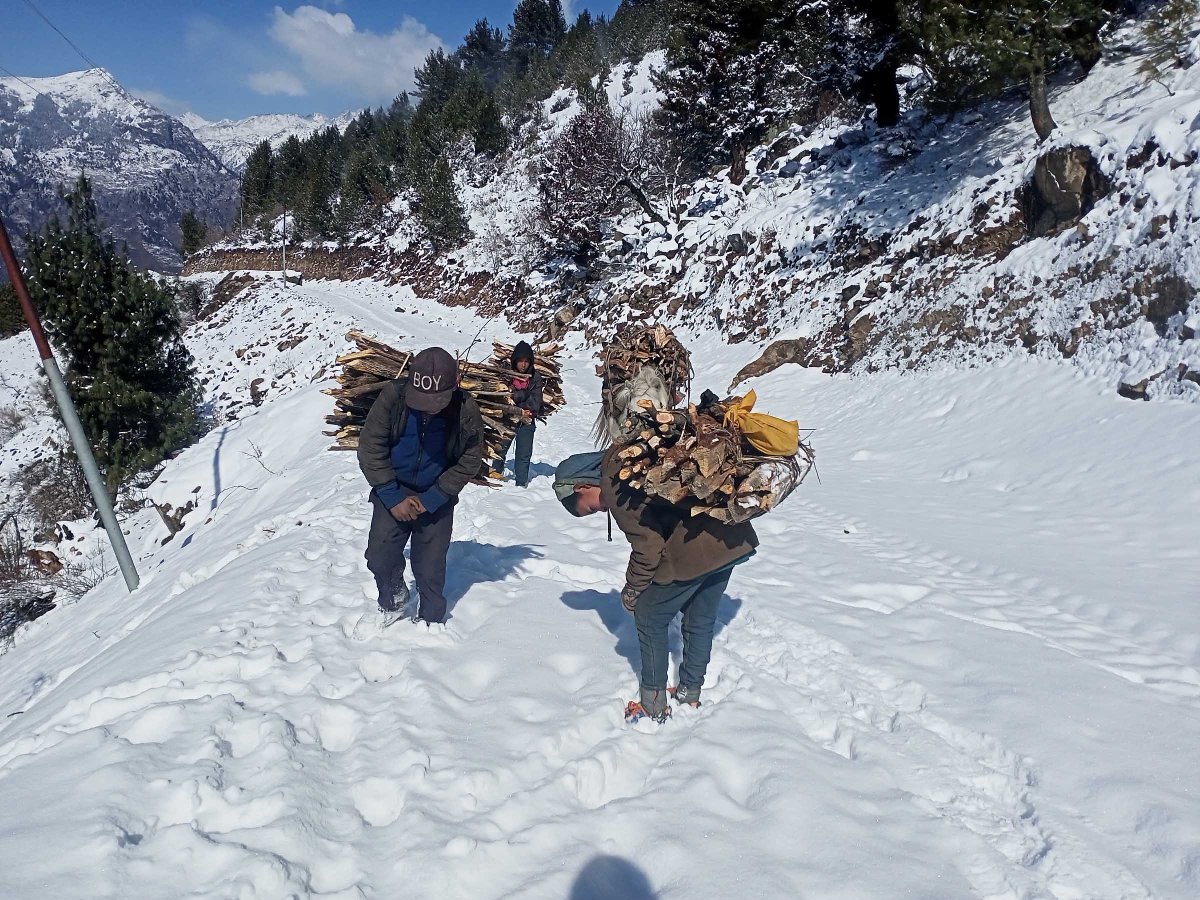
The Department of Hydrology and Meteorology (DHM) has forecast moderate snowfall in various high-hilly and mountainous regions of Koshi, Bagmati, and Gandaki provinces today. According to the latest weather bulletin, one or two places in the upper regions of Koshi and Bagmati are likely to witness heavy snowfall, as the winter weather pattern begins to influence the Himalayan belt.
Cyclone ‘Montha’ to Impact Weather from Thursday to Saturday
The DHM stated that the weather system over Nepal is expected to be significantly influenced by a cyclonic disturbance named ‘Montha’, currently active in the Bay of Bengal. The cyclone is in its stage of entering the Indian state of Andhra Pradesh and is expected to gradually lose intensity as it moves inland.

After entering the Indian mainland, the system will gradually shift toward Nepal’s central region in a weakened form. Despite its reduced strength, the system is expected to bring widespread rain and snowfall, particularly between Thursday and Saturday, affecting several parts of Bagmati, Madhesh, and Koshi provinces.
Possibility of Snowfall in High Hill and Mountainous Areas
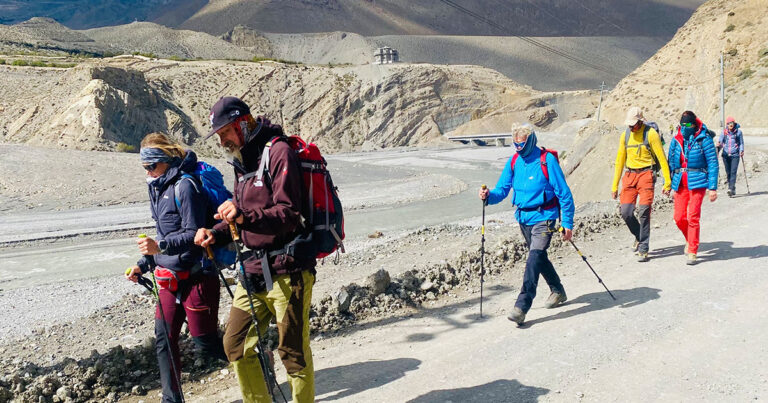
As the system becomes active, the DHM has projected moderate snowfall across multiple locations in the high hills and mountainous areas of Koshi and Bagmati provinces, as well as some parts of Gandaki province. This shift in weather conditions marks one of the early signs of seasonal change in Nepal’s Himalayan region, where snowfall typically begins to intensify toward the end of autumn. The department has advised locals, trekkers, and mountaineers in these regions to exercise caution as visibility could decline and temperature levels may drop sharply.
Potential Hazards: Flooding and Landslides Expected
The DHM has further cautioned that rainfall and snowfall triggered by the cyclone could heighten hydrological and geological risks, including sudden flooding and landslides in rivers, streams, and hilly terrain. These events could impact daily life, transportation, agriculture, tourism, and other essential sectors in the affected provinces.
According to the forecast, the water flow in major rivers such as Bagmati, Kamala, Koshi, and Kankai, along with their tributaries, is expected to rise significantly, potentially reaching alert levels. Communities living along riverbanks and low-lying areas are urged to remain vigilant and prepared for possible emergencies.
Areas at High Risk of Flash Floods
The DHM report highlights several areas with heightened flood risk due to expected heavy rainfall. In Bagmati Province, flash floods may occur in rivers and streams passing through Kathmandu Valley, Kavre, Sindhupalchok, Dolakha, Makwanpur, Chitwan, and Sindhuli.
Similarly, in Madhesh Province, districts such as Bara, Parsa, Sarlahi, Rautahat, Mahottari, Dhanusha, and Saptari could face rising water levels and flash floods. In Koshi Province, rivers flowing through Sankhuwasabha, Taplejung, Panchthar, Tehrathum, Bhojpur, Dhankuta, Ilam, Jhapa, Morang, and Sunsari are also identified as vulnerable zones.

Precautionary Measures Urged
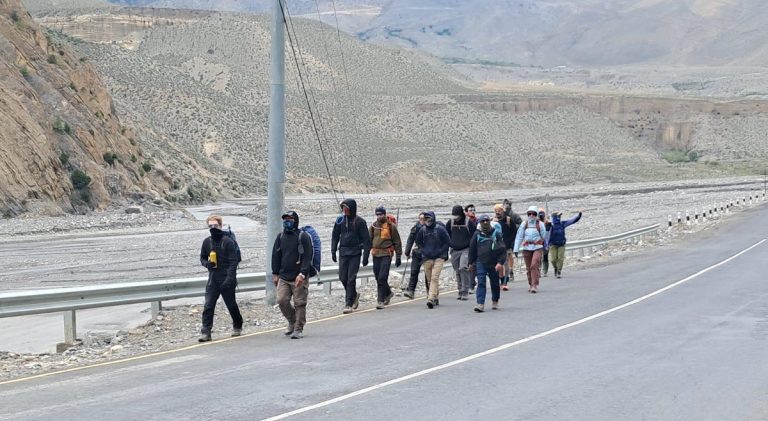
Given the approaching weather disturbances, the Department of Hydrology and Meteorology has called on local authorities, disaster response agencies, and the general public to remain alert and adopt precautionary and safety measures. Travelers heading toward high-altitude trekking routes, such as in the Everest, Makalu, and Langtang regions, are advised to stay updated with the latest weather information and avoid risky travel during the snowfall period.
The department has also urged airlines and transport operators to coordinate closely with meteorological offices to prevent disruptions and ensure safety.
As the cyclone gradually loses strength while moving northward, Nepal is expected to experience a short but significant weather disturbance, bringing rain to the lowlands and fresh snowfall in the Himalayas, signaling the early arrival of winter in the region.