Within just ten days of the Nepali month Kartik, the scenic Himalayan district of Mustang has welcomed more than 40,000 visitors. According to the District Police Office, Mustang, a total of 37,146 domestic and 3,732 foreign tourists entered the district from Kartik 1 to Kartik 10 via the Benibazaar–Jomsom highway. This marks a significant rise in visitor numbers compared to the same period last year, reaffirming Mustang’s position as one of Nepal’s most attractive destinations for both domestic and international travelers.
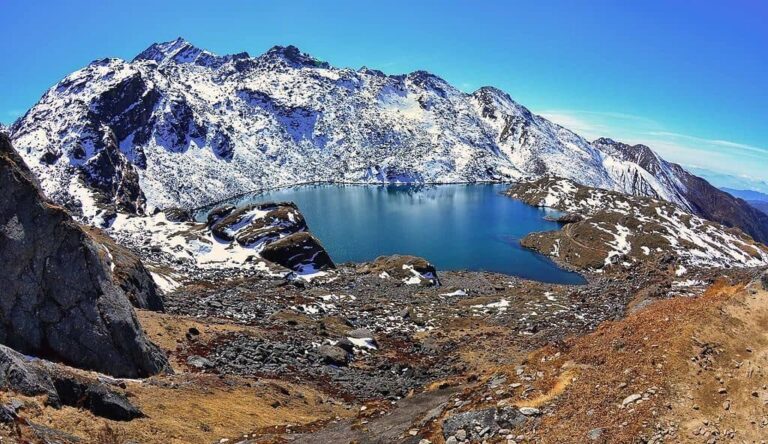
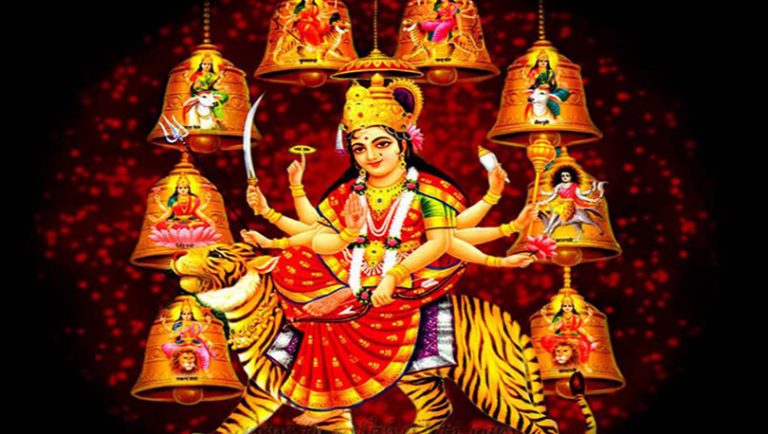
The district’s unique blend of natural beauty, religious significance, and adventurous landscape continues to draw large numbers of visitors. Tourists often arrive to experience the majestic mountain views, explore the ancient culture of the Thakali and Loba communities, and visit the sacred Muktinath Temple, one of the holiest pilgrimage sites for both Hindus and Buddhists.

Increased Traffic on the Beni–Jomsom Road
During the same ten-day period, a total of 11,808 vehicles, including buses, jeeps, cars, vans, and motorcycles, entered Mustang through the Beni–Jomsom road, as reported by Deputy Superintendent of Police (DSP) Chhiring Kippa Lama of the District Police Office. The steady inflow of vehicles has been an encouraging sign for the local tourism-based economy, providing much-needed momentum after a period of subdued travel activity during the monsoon.
Local businesses, including hotels, lodges, restaurants, and transport operators, have experienced a noticeable surge in income. Many locals who rely heavily on tourism for their livelihoods have welcomed this revival, especially as the autumn season is traditionally one of the busiest times for Mustang.
Snowfall Disrupts Pilgrims’ Journey to Muktinath
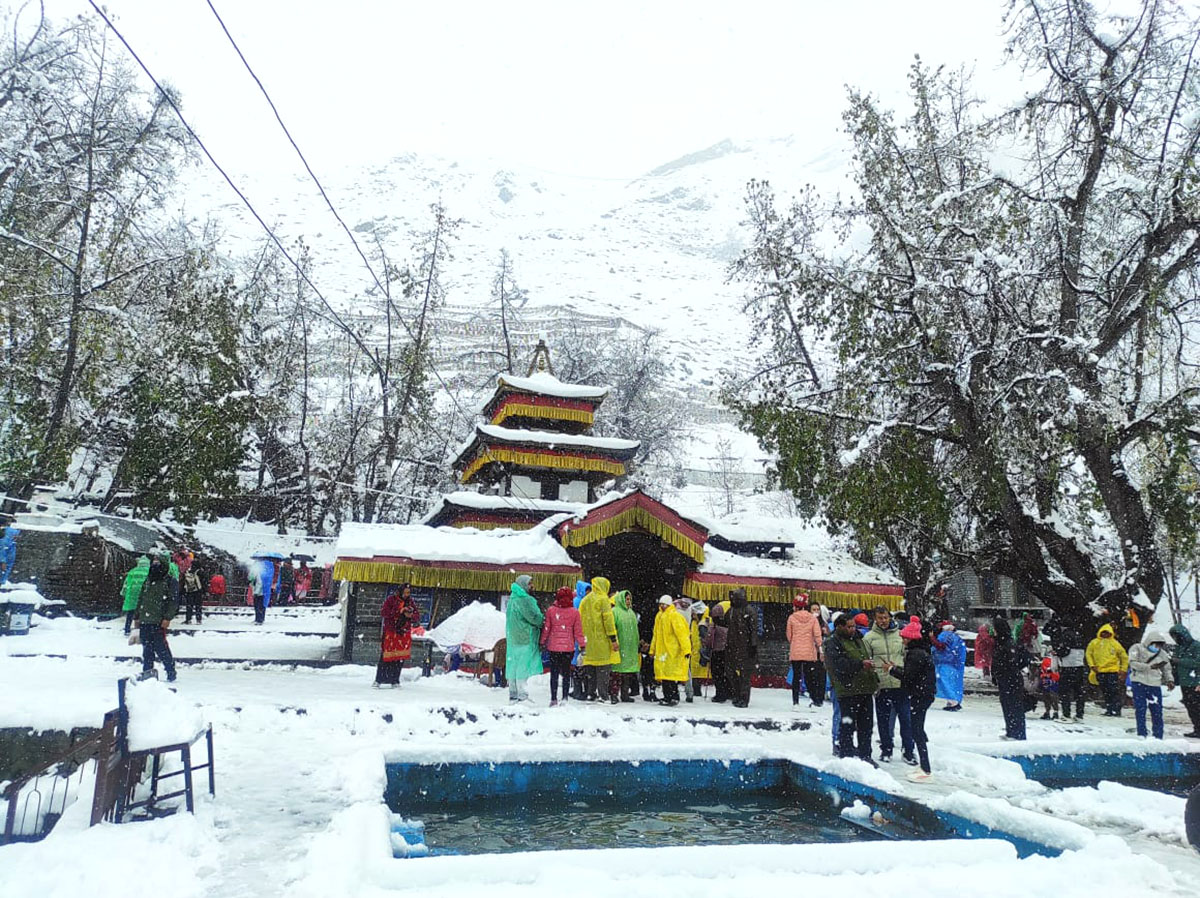
However, the weather has not been entirely favorable for all visitors. On Kartik 10, 4,598 tourists entered Mustang through Myagdi district, but heavy snowfall in upper Mustang made their journey difficult. According to local authorities, the pilgrimage to Muktinath Temple, a sacred site located at an altitude of about 3,800 meters, became challenging after the sudden snowfall.
Since Monday night, continuous rainfall and snowfall have created problems for visitors. The Kagbeni–Muktinath road section, as well as the walking trails from Muktinath Bus Park to the temple, have been covered with thick layers of snow. Many pilgrims have faced difficulty reaching the temple or returning safely due to slippery paths and freezing temperatures.
Thick Snow and Extreme Cold in the Muktinath Region
Rabin Subedi, an employee at the Muktinath Temple Development Committee, stated that the heavy snowfall has significantly affected visitors. “Due to the thick snow along the route and the extreme cold, many pilgrims are struggling to perform their religious rituals. The bathing ponds and the 108 water spouts near the temple have frozen, making it impossible for devotees to bathe or complete their traditional worship,” he said.
The Muktinath area, which usually sees a large influx of devotees during the autumn season, has thus been facing logistical challenges. Local authorities and security personnel are coordinating to ensure the safety of visitors and provide necessary assistance where required.
Tourism Growth Despite Weather Challenges
Despite the recent weather disturbances, the overall flow of tourists to Mustang remains impressive. From Shrawa (mid-July) to Kartik 10, a total of 159,467 tourists have entered the district through the Beni–Jomsom highway, according to the District Police Office. This figure includes both domestic and international travelers, indicating Mustang’s strong recovery as a tourism hotspot after several years of disruptions caused by the COVID-19 pandemic and road maintenance issues.
The growing number of tourists reflects Mustang’s enduring appeal as a destination that combines spirituality, adventure, and breathtaking natural scenery. The district is home to the famous Upper Mustang, often referred to as the “Last Forbidden Kingdom,” which continues to fascinate trekkers with its ancient monasteries, caves, and arid desert-like landscapes. Meanwhile, Lower Mustang offers easier access to religious and natural attractions, making it popular among family travelers and short-term visitors.
Local Authorities Emphasize Safety and Sustainable Tourism
Local authorities have advised visitors to take necessary precautions when traveling to higher altitudes, especially during sudden weather changes. DSP Lama informed that police teams are on standby to support tourists in case of emergencies, particularly in areas affected by snowfall. The Mustang District Administration has also urged hotels and transport operators to maintain proper safety standards and provide reliable services to ensure a positive experience for travelers.

Efforts are also being made to promote sustainable tourism in Mustang. The increased tourist activity has raised concerns about waste management and environmental preservation, especially along the Muktinath route and the Jomsom–Kagbeni corridor. Local communities, together with the rural municipalities, are working on initiatives to keep the region clean and environmentally friendly.
Looking Ahead
With the winter season approaching, the flow of tourists is expected to gradually decline as temperatures drop further in Mustang’s higher regions. However, for now, the district is witnessing one of its most active autumn tourism seasons in recent years. The combination of cultural richness, spiritual significance, and natural grandeur continues to make Mustang one of Nepal’s most treasured destinations.