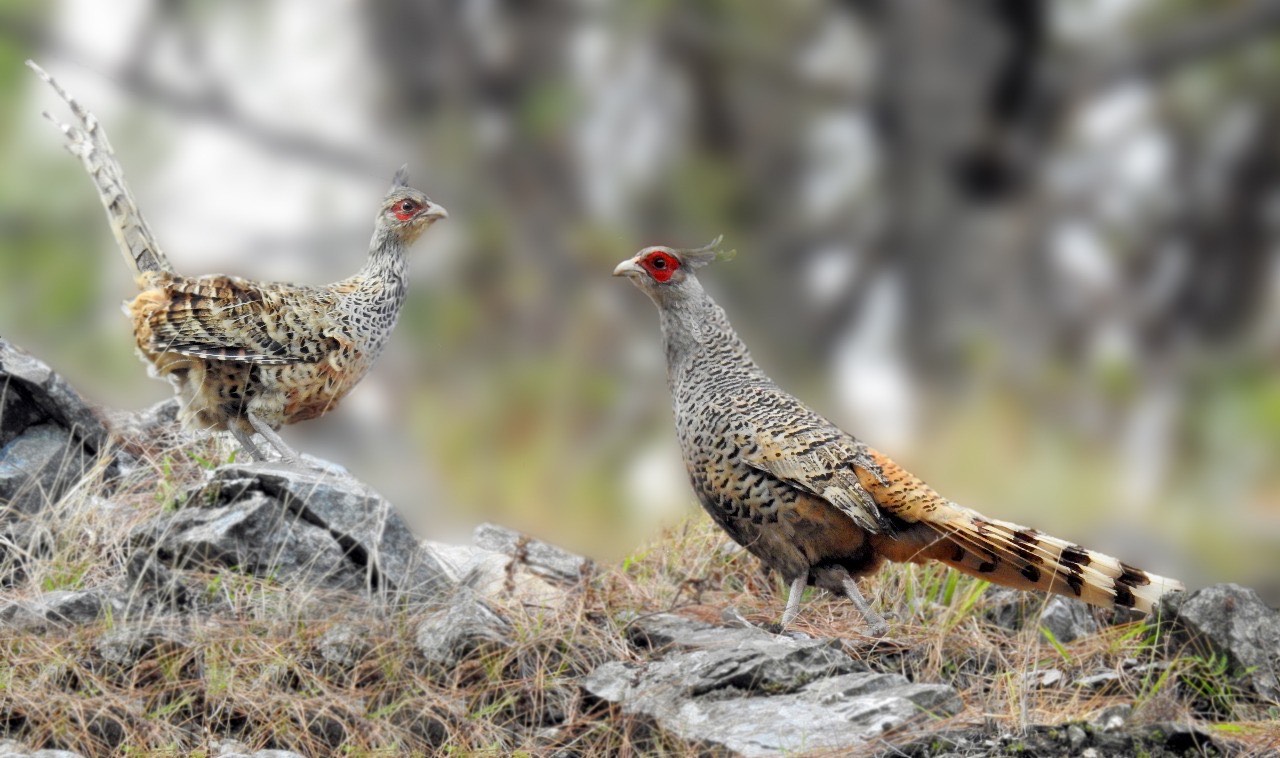
A recent study has revealed a significant increase in the population of the rare Cheer Pheasant (Catreus wallichii) in the high hilly regions surrounding the Kaligandaki River basin. The research, conducted by the Nepalese Ornithological Union (NOU), shows a positive trend in the species’ numbers compared to sixteen years ago.
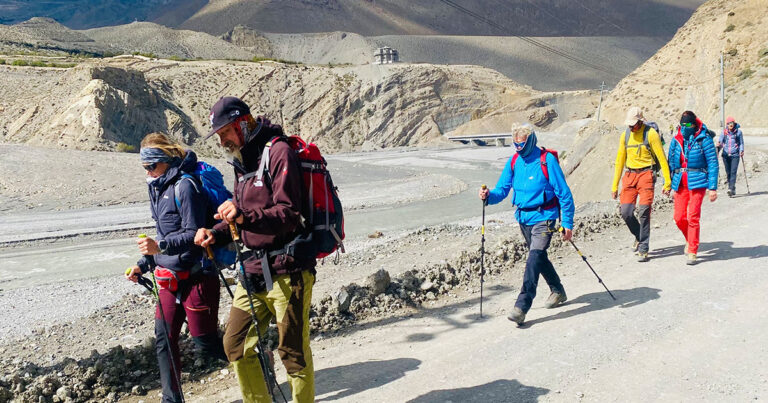
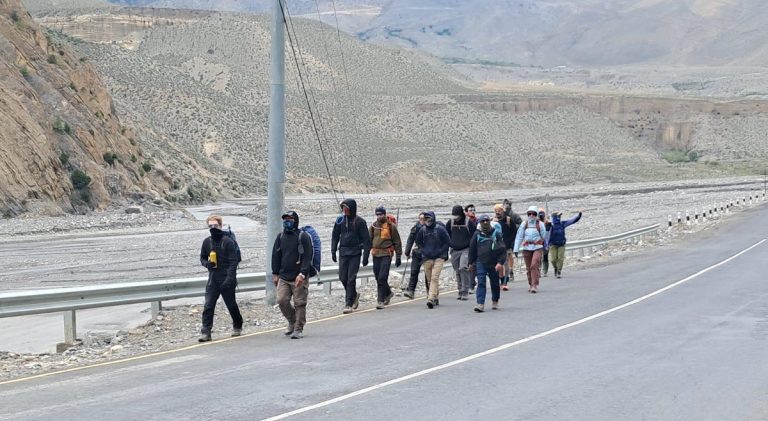
The study covered Ghansa, Lete, Kunjo, Titital, Khanti, and Jhipra Deurali areas in Thasang Rural Municipality, Mustang, known for its fragile but rich biodiversity. According to NOU, 18 pairs of Cheer Pheasants were recorded this year, compared to just six pairs noted in 2009. Historical data also shows 17 pairs in 2004 and 11 pairs in 2006, indicating a fluctuating but upward trend over the years.

“After a 16-year gap in comprehensive studies, our research confirms that the Cheer Pheasant population has increased in the upper Kali Gandaki region,” said Birat Rajak, a member of the research team.
Factors Contributing to Population Growth
Rajak explained that the growth in numbers can be attributed to community-based conservation education, heightened awareness programs, strict control of poaching, and reduced human and domestic animal disturbances in the bird’s natural habitats. These measures have contributed to creating a safer and more conducive environment for the species’ survival and breeding.
Cheer Pheasants are primarily found in protected areas such as the Annapurna Conservation Area, Dhorpatan Hunting Reserve, and Rara National Park, along with high mountain regions of Myagdi, Baglung, Karnali, and the Far-Western regions. Their presence in these areas highlights the importance of conservation measures and habitat protection in maintaining biodiversity.
Expansion of the Study to Myagdi and Dhorpatan Hunting Reserve
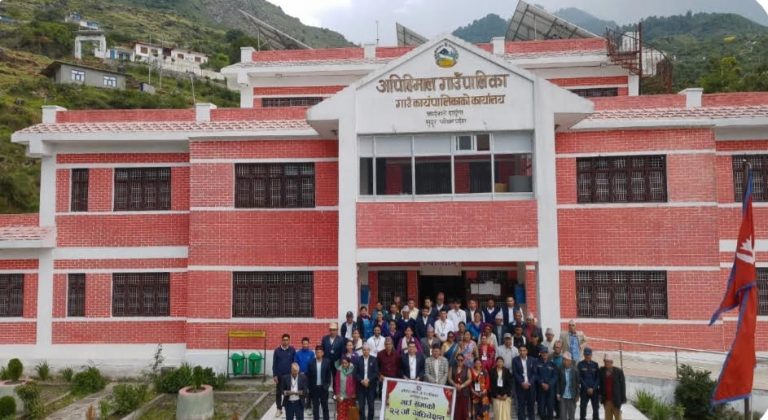
Following the Mustang study, the research team has moved to Dhawalagiri Rural Municipality in Myagdi and the Dhorpatan Hunting Reserve to assess the status of the Cheer Pheasant in these regions. According to Bishnu Adhikari, Chief of the Division Forest Office, Myagdi, the species is listed as endangered under the National Parks and Wildlife Conservation Act, 2029 BS, emphasizing the need for long-term protection. The areas along the banks of the Kaligandaki River, including Myagdi and Raghuganga, have also been identified as critical habitats for the species, further expanding the scope of conservation efforts.

Long-Term Conservation Plan in the Pipeline
Pawan Rai, Programme Officer at the Biodiversity Conservation Society Nepal, stated that a long-term Cheer Pheasant Conservation Programme will be developed based on the findings of these studies. The program aims to implement monitoring, habitat management, community engagement, and educational outreach to ensure sustainable growth of the species in the Kali Gandaki basin and surrounding hilly regions.
Experts emphasize that continued efforts in habitat protection, anti-poaching measures, and ecological education are essential for maintaining the positive trajectory of the Cheer Pheasant population, which is not only endangered but also a key indicator of high-altitude ecosystem health. The recent study serves as a significant milestone for Nepal’s biodiversity conservation, highlighting how coordinated research and community involvement can lead to the successful recovery of endangered species in fragile Himalayan ecosystems.