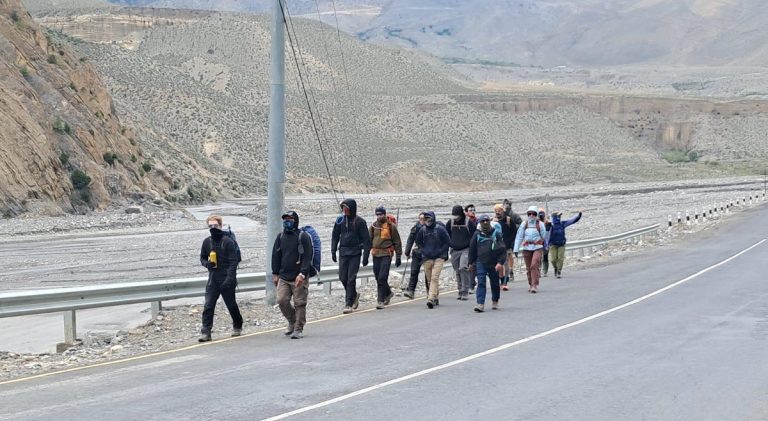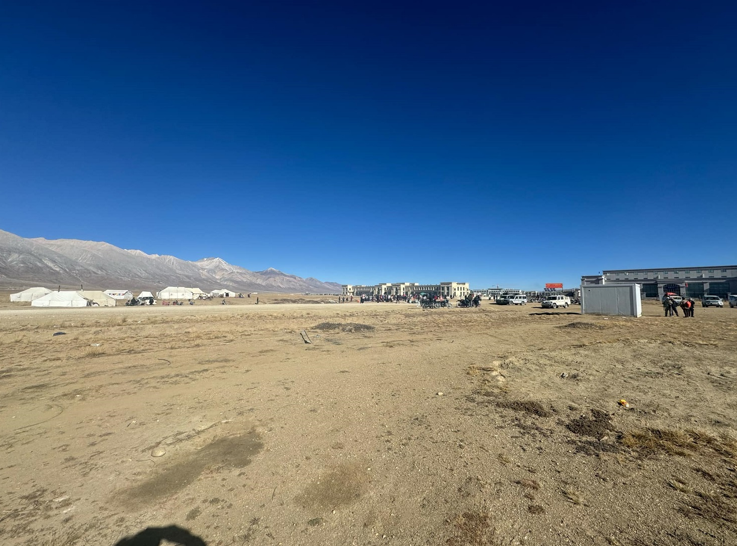
Efforts have been initiated to open the Korala route in Mustang, connecting Nepal with the sacred pilgrimage site of Mount Kailash and Mansarovar Lake in Tibet. A delegation of local representatives from Lomanthang and Lo-Ghekar Damodar Kunda Rural Municipalities recently reached Dhongwasen, China, to discuss the possibility of reopening this historic religious and tourism route.
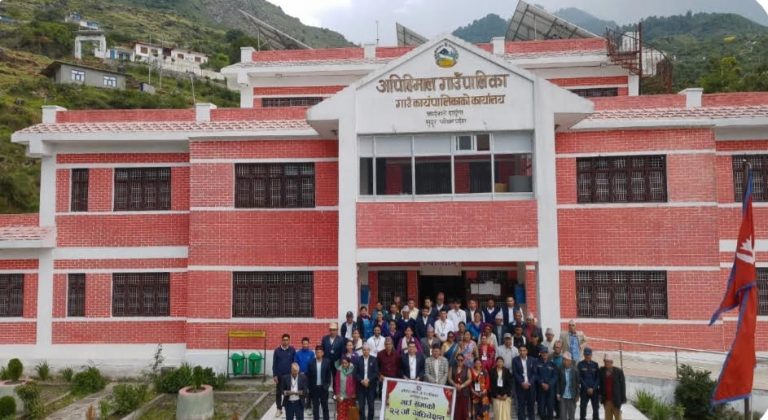
Lomanthang Rural Municipality Chairperson Tasi Nharbu Gurung confirmed that the visit was made in coordination with Nepal’s Ministry of Home Affairs and the Department of Immigration. The 13-member team, including the vice-chairs of both local municipalities, Chyumi Bishwakarma and Chiring Lhomo Gurung, held meetings with Chinese officials and Tibetan representatives to explore the potential for reopening the cross-border route for religious tourism.

Delegation’s Purpose and Vision
Chairperson Gurung said that the team’s visit was self-funded and aimed at conducting a preliminary feasibility study for opening the Korala corridor. “We believe this initiative will strengthen the cultural, tourism, and economic ties between Nepal and China, particularly the Gandaki Province,” he stated.
According to Gurung, the Korala–Kailash Mansarovar route could serve as a vital religious and tourism link, providing access for both Nepalese and Indian pilgrims traveling toward Tibet and for Chinese Buddhist visitors traveling toward Lumbini, the birthplace of Lord Buddha.
Korala is located approximately 300 kilometers from Mount Kailash Mansarovar and about 1,000 kilometers from Lhasa, making it the shortest and most cost-effective route for pilgrims from Nepal and India.
Economic and Religious Importance
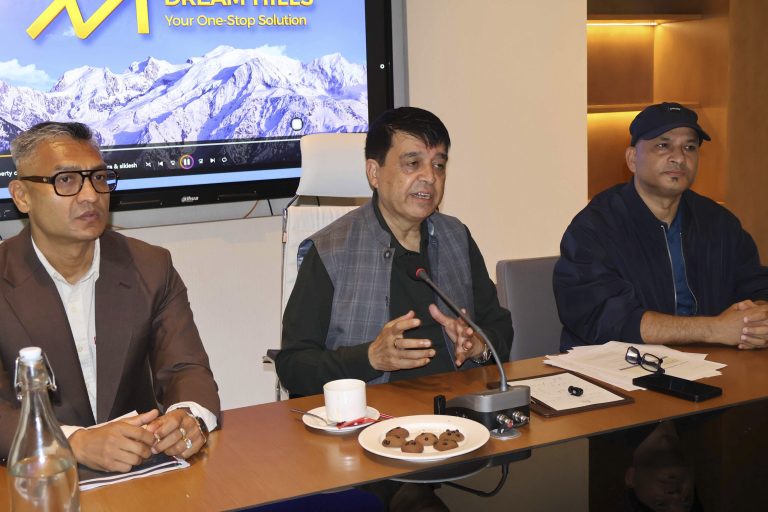
Industry and Commerce Association of Myagdi Chairperson Subin Shrestha noted that this route could dramatically reduce the cost of pilgrimage to Kailash Mansarovar. “Currently, travelers from Nepal and India have to go through Humla, spending more than NPR 200,000 per person. If the Korala route opens, the journey will be faster, easier, and far more affordable,” Shrestha said.
The Korala border point was reopened on November 13, 2023, allowing locals to trade essential goods, and an immigration office was established last year. With the closure of Tatopani and Rasuwagadhi trade routes, Korala has become an increasingly important gateway for Nepal-China trade and movement.
Accessibility from Kathmandu and Pokhara
The proposed route offers convenient access via both air and road networks. Travelers can fly from Kathmandu to Pokhara in 25 minutes, then take another short flight or road trip to Jomsom in Mustang. From there, it is about 96 kilometers to Lomanthang, followed by a 4.5-hour drive to reach Korala.
On the Chinese side, the road extends from Nechung-Liji customs to Dhongwasen in Shigatse Province, approximately 58 kilometers away. From Dhongwasen, the journey to Kailash Mansarovar spans around 300 kilometers, taking just about six hours on Tibet’s modern road network.
Spiritual Significance of Kailash Mansarovar
Mount Kailash, rising 6,603 meters above sea level, is revered in Hinduism, Buddhism, Jainism, and Bon religions. It is believed to be the abode of Lord Shiva, and pilgrims from across Asia visit the site to perform the Kailash Parikrama and bathe in Mansarovar Lake, acts believed to bring spiritual liberation and purification.
Nepal-China Coordination and Visa Arrangements
Chief of the Korala Immigration Office Prabesh Baduwal confirmed that this was the first official delegation to travel through Korala with approved visas. Nepal is also preparing to offer 150-day free “on-arrival” visas for Chinese and other foreign nationals entering through this point.
However, a key challenge remains the USD 500 entry fee imposed on foreign tourists visiting Upper Mustang, which may impact the overall flow of international pilgrims and travelers. Still, optimism remains high among local authorities that the reopening of Korala as a religious and tourism gateway could become a new milestone for Nepal’s Himalayan tourism and cross-border connectivity.