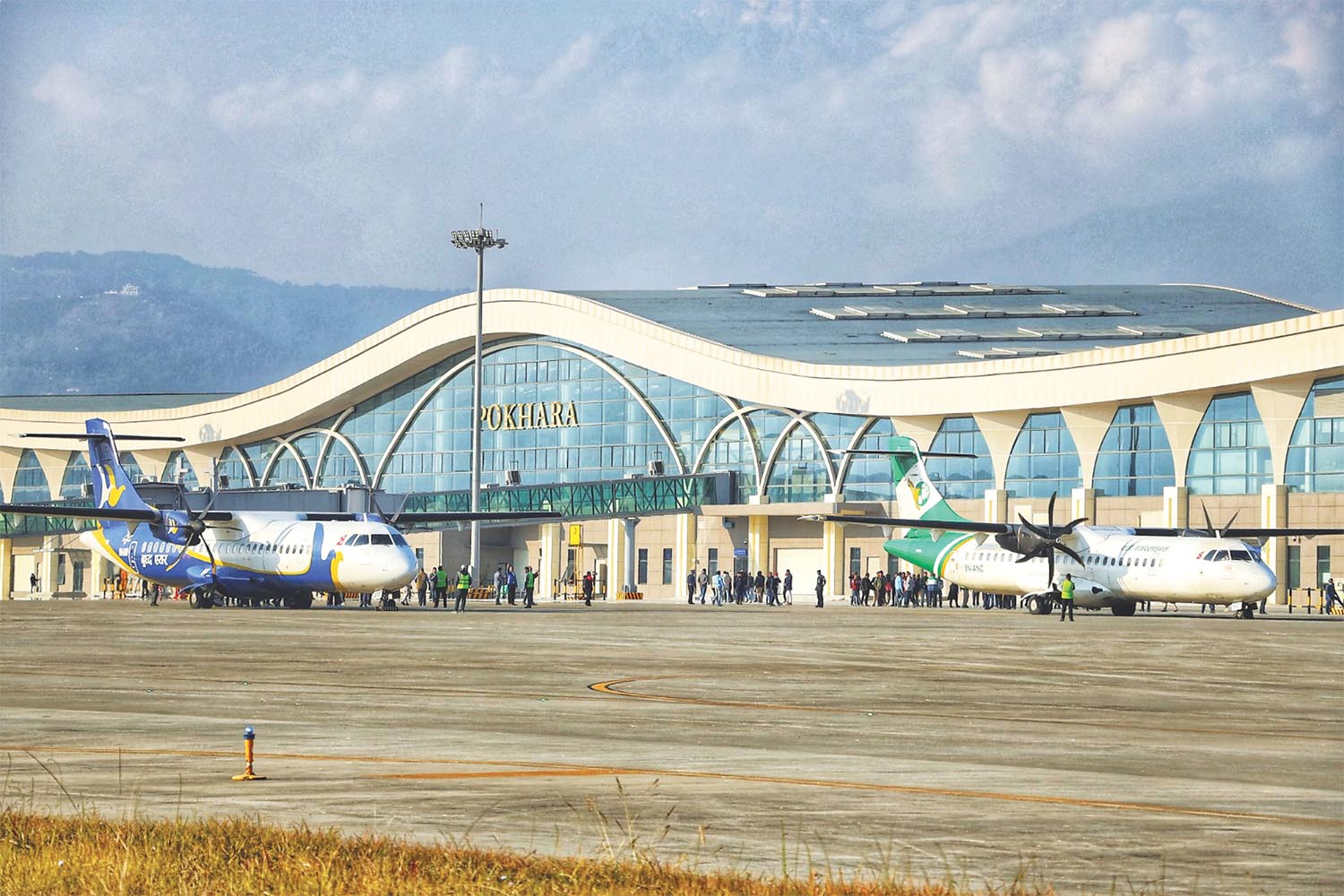
Pokhara International Airport has officially launched direct flights to Bhutan, marking a significant step in enhancing regional connectivity and tourism promotion. The flights, operated by Bhutan Airlines in collaboration with Universal Tours & Travels (UTT), had initially been scheduled to start on 12 Ashwin (28 September) with four charter services but were delayed due to various logistical challenges. Today, the first flight successfully departed from Pokhara, signaling the formal commencement of this direct air route.
According to Pokhara Metropolitan City Mayor Dhanraj Acharya, the inaugural flight safely transported nine passengers along with the crew from Paro International Airport in Bhutan to Pokhara. He added that while some pre-planned trips could not operate today due to technical reasons, regular services are expected to begin shortly. Mayor Acharya expressed confidence that Bhutan Airlines and UTT’s prior commitment to regular operations will be fulfilled in the near future.

Flight Details and Tourism Impact
Bhutan Airlines operates aircraft with a seating capacity of 126 passengers, and UTT has also developed travel packages accompanying the charter flights. These packages are designed for four nights and five days, offering tourists an organized travel experience between Nepal and Bhutan. According to Taranath Pahari, Chairman of Pokhara Tourism Council, the direct flight will significantly contribute to promoting tourism in both countries by facilitating easier travel and boosting cross-border tourism opportunities.
The government has extended incentives and fee exemptions to foreign airlines operating from Pokhara and Bhairahawa, including a waiver on all fees for international flights. Ground handling services provided by Nepal Airlines incur only 25% of the usual charges, while passengers on these international flights are exempt from the Rs 3,000 per-passenger service fee. Additionally, parking, landing, and navigation fees are fully waived at these airports, while 75% of the ground handling charges are exempted for airlines. These initiatives have been in place since 28 Shrawan 2081, under the government’s plan for comprehensive civil aviation sector improvement and the operationalization of Pokhara and Gautam Buddha International Airports.
Background and Regional Connectivity
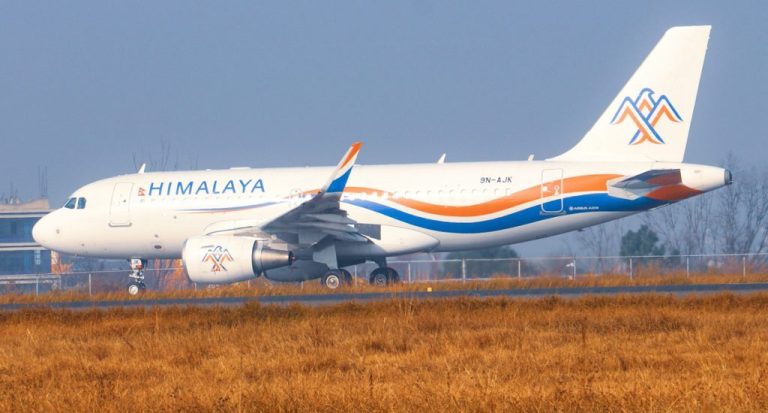
Prior to this, Bhutan Airlines operated four weekly flights between Bhutan and Tribhuvan International Airport in Kathmandu. Additionally, on 7 Ashadh, Sichuan Airlines conducted charter flights from Chengdu to Pokhara using an Airbus A319, mainly to transport participants and spectators for the Nepal-China Friendship Dragon Boat Race Festival 2023 at Phewa Lake. Himalaya Airlines also operates regular flights connecting Lhasa and Pokhara, enhancing the region’s international connectivity.
Himalaya Airlines currently runs a weekly flight linking Kathmandu–Lhasa–Pokhara–Lhasa–Kathmandu, which was the first commercial operation following the opening of Pokhara International Airport two years ago. With the addition of Bhutan Airlines and Sichuan Airlines, the airport is expected to become a vibrant hub for international travel, easing access for tourists to diverse global destinations.

Airport Infrastructure and Capacity
Pokhara International Airport, inaugurated on 17 Poush 2079, covers 3,900 ropani and was built at a cost of approximately NPR 22 billion. It has the capacity to serve 800,000 passengers annually and features a runway measuring 2,500 meters in length and 45 meters in width, capable of accommodating large commercial aircraft. The launch of direct flights to Bhutan is seen as a milestone that will further activate the airport, making it a critical gateway for international tourists and contributing to the growth of Nepal’s aviation and tourism sectors.
The direct flights between Pokhara and Bhutan are expected to strengthen bilateral tourism, attract high-spending travelers, and provide seamless travel experiences for visitors to both countries. Stakeholders believe that these flights will enhance regional connectivity, improve the utilization of Pokhara International Airport, and support Nepal’s broader goal of positioning itself as a key hub for Himalayan tourism.