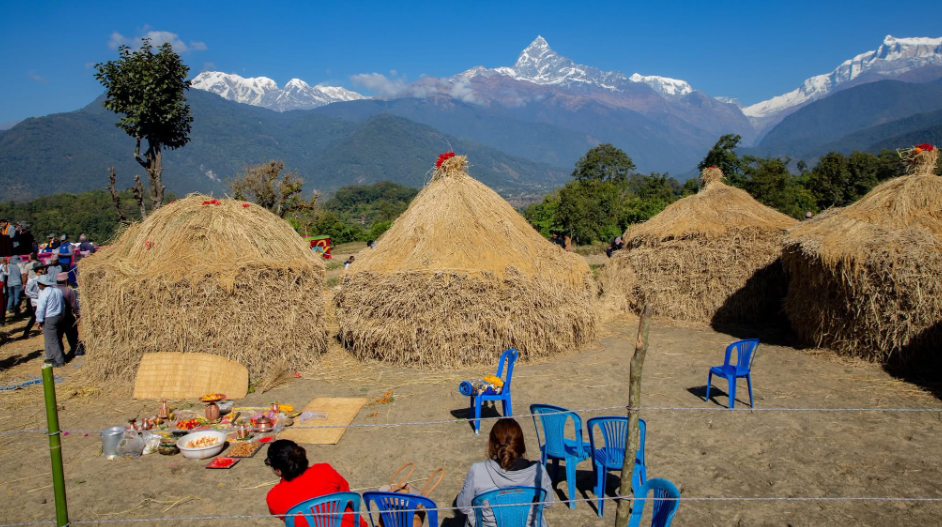
With the slogan “Pokhara for All Seasons,” the Pokhara Tourism Council has organized the second edition of the Daai Festival at Churunga, Puranchaur in Pokhara Metropolitan City–19. The festival aims to merge agriculture with tourism, promoting agro-tourism as a dynamic new avenue to diversify Nepal’s tourism industry.
Collaborative Effort to Connect Agriculture and Tourism
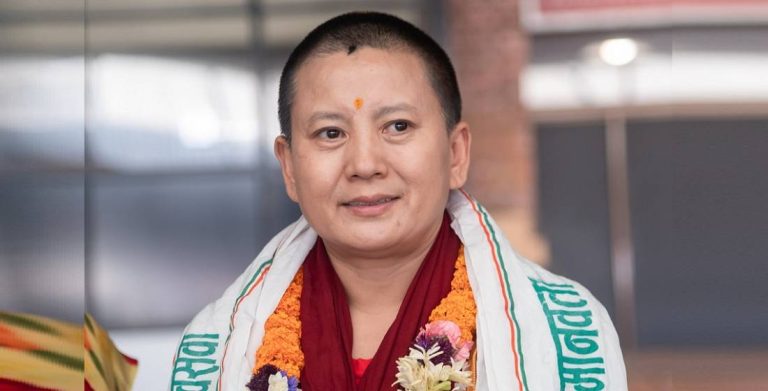
Pokhara Tourism Council Chairperson Taranath Pahari informed that the festival was organized in collaboration with the Churunga Tole Development Committee, with promotional support from Pokhara Metropolitan City and the Nepal Tourism Board (NTB). According to him, the objective of the event is to broaden Nepal’s tourism landscape through agriculture-based experiences, familiarize younger generations with traditional farming practices, and strengthen both domestic and international tourism.

Pahari added that the festival serves as a platform to highlight rural lifestyles, local agricultural products, and community-based tourism initiatives, helping visitors understand how agriculture and tourism can jointly contribute to sustainable rural development.
Leaders Emphasize Cultural Preservation and Tourism Growth
Inaugurating the festival, Dhanraj Acharya, Mayor of Pokhara Metropolitan City, expressed confidence that the event would simultaneously promote tourism and encourage younger generations to take an interest in traditional agricultural practices. He remarked that festivals like Daai Festival will help preserve local identity, while also showcasing Pokhara’s cultural richness to visitors from across Nepal and abroad.
Similarly, Maniraj Lamichhane, Head of NTB’s Gandaki Province Office, stressed that such community-led initiatives have a significant role in tourism promotion. He noted that agro-tourism is gaining global attention and that Nepal has enormous potential to attract visitors through unique, experience-based agricultural activities.
Festival Highlights Traditional Farming and Agro-Based Activities
Festival Coordinator Hari Bhujel explained that the event was organized with multiple goals, promoting domestic and international tourism through agriculture, motivating farmers, and imparting knowledge of traditional farming practices to the younger generation. He mentioned that the council has also been organizing the annual Asare Rice Planting Festival, which often attracts foreign tourists eager to learn about Nepal’s traditional cultivation methods. The growing interest from visitors inspired the council to expand such events and introduce the Daai Festival.
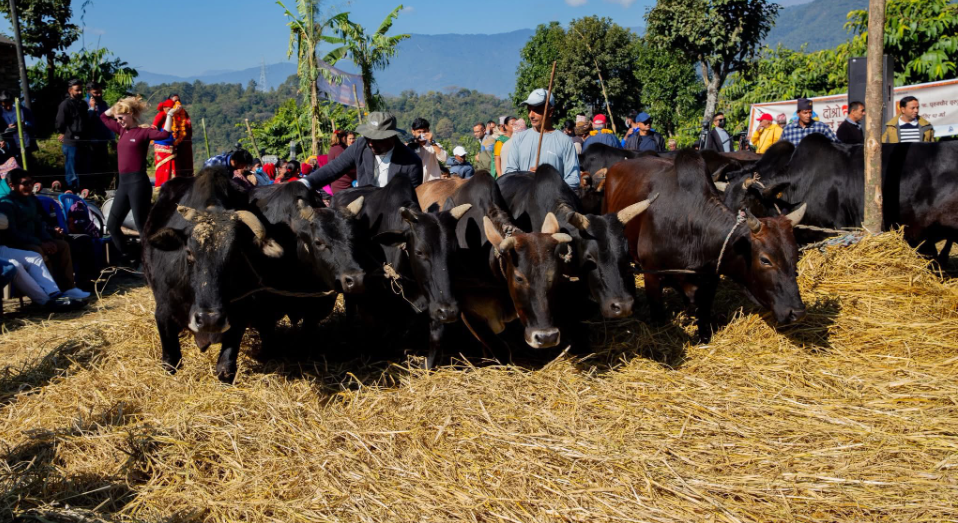
The festival featured interactive activities demonstrating traditional agricultural processes such as rice threshing, plowing, weaving mats, tying straw bundles, and showcasing livestock rearing techniques. These activities allowed visitors, especially foreigners, to gain first-hand experience of rural farming culture.
Honoring Local Farmers and Celebrating Agricultural Achievement
On the occasion, Pokhara–23 farmer Fabendra Gurung, recognized as the highest rice producer in the metropolitan area, was honored for his remarkable contribution. Mayor Acharya presented him with NPR 10,000 and a certificate of appreciation. Gurung cultivates around 200 ropani of land and produces up to 500 muri of rice annually. The recognition aimed to highlight the vital role of farmers in shaping Pokhara’s agricultural economy and to encourage more youth involvement in farming.
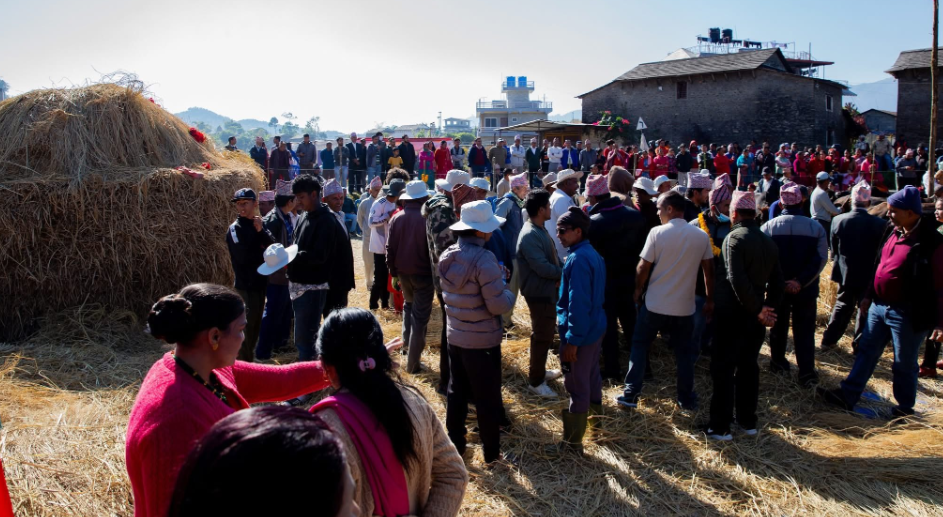
Foreign tourists attending the Daai Festival described the event as an enjoyable and enriching experience. They expressed appreciation for Nepal’s traditional agricultural heritage and encouraged local communities to preserve and continue age-old farming practices. Many stated that such immersive cultural events make their visit more meaningful and memorable. According to Council Secretary Narayan Subedi, the festival also included competitions such as best livestock caretaker, best rice producer, rice-pounding contests, straw bundle tying, and mat weaving. Winners from each category were awarded prizes, further promoting community spirit and celebrating agricultural skills.

Agricultural Production Trends in Pokhara
Manhari Kadariya, Head of the Agriculture Development Section of Pokhara Metropolitan City, shared that this year rice cultivation covered 11,250 hectares within the metropolitan area, with an estimated production of 40,000 metric tonnes. He added that events like the Daai Festival play a crucial role in raising awareness about agricultural productivity and linking tourism with local economies.
Bringing together farmers, tourism professionals, and visitors, the second edition of the Daai Festival successfully highlighted how agriculture can become a powerful pillar of Nepal’s tourism development. Stakeholders believe that such initiatives will further strengthen Pokhara’s profile as an all-season destination rich in culture, tradition, and experiential tourism.