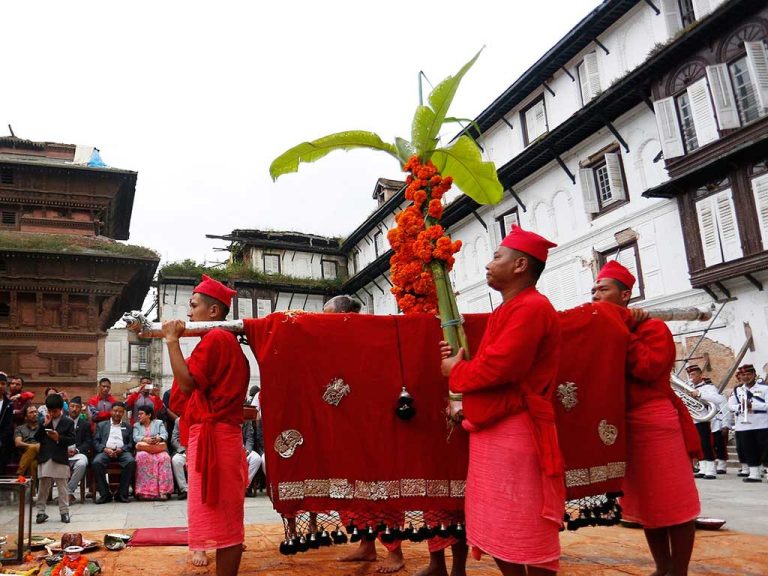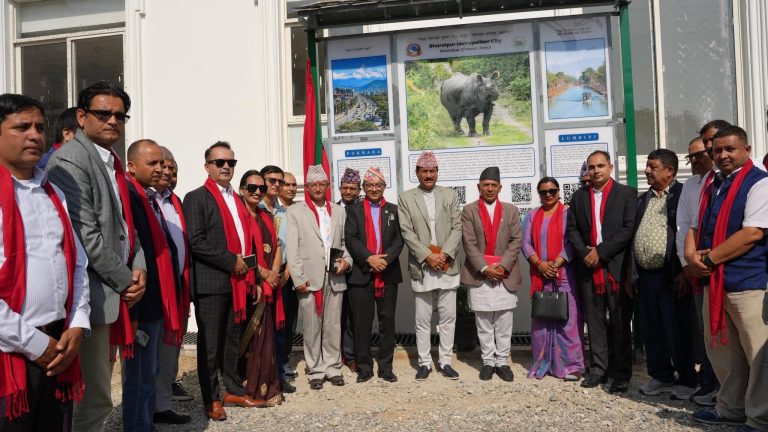
A new community homestay programme has been officially launched in Toripani, Beni Municipality-9, Myagdi, marking a significant step in promoting sustainable tourism in the region. The homestay initiative was inaugurated on Tuesday with a warm welcome ceremony for guests, featuring with the traditional music and the local performances, highlighting the rich culture of the area.
Tourism and Community Empowerment in Focus
The Sayapatri Community Homestay aims to attract the both domestic and an international tourists visiting Toripani and its surrounding attractions, including Ravan Park, Pachhain, Dholthana, Jagannath, and Todke. The initiative is driven by local residents, with support from Eco Himalaya Nepal, which provided both training and financial assistance to help develop the basic infrastructure for the homestays.

According to Yuva Giri Sanyasi, a member of the homestay group, the first phase has prepared five houses with an essential facilities such as guest rooms, toilets, and other amenities. “Eco Himalaya provides the beds, bedding, sanitation materials, and an essential training for homestay operators,” he explained.
Each participating household received Rs. 70,000, while the group collectively received Rs. 200,000 for infrastructure development. The homestay currently accommodates 21 guests across the five houses, said the group chairperson Sita Khatri. Preparations are already underway for a second phase to include more homes, further expanding the village’s capacity to host tourists.
Local Leadership Supports Homestay Initiative
At the inauguration, Mayor of Beni Municipality Surat KC emphasized that the homestays would make visits to Toripani more convenient for the tourists and to boost local livelihoods. “This initiative will generate employment, improve incomes, and promote tourism in the area,” he said.
Other dignitaries, including Chief District Officer Badri Prasad Tiwari, Chairperson of Eco Himal Austria Prof. Dr. Kurt Luger, Director of Eco Himal Narayan Dhakal, and Chairperson of TAAN Gandaki Krishna Prasad Acharya, highlighted the importance of warm hospitality, organic food, and local culture in attracting visitors. They emphasized that homestays could significantly enhance community income and sustainable tourism development.
Current Homestay Operations and Plans
At present, homes belonging to Juna Khatri, Rashmi Chokhyal, Sujana Chokhyal, Yuva Giri, and Jamuna Shrestha are functioning as homestays, welcoming guests with a personalized experience that showcases local traditions. Each homestay offers comfortable lodging and access to regional sights, giving the visitors a chance to explore Toripani’s natural and cultural attractions.
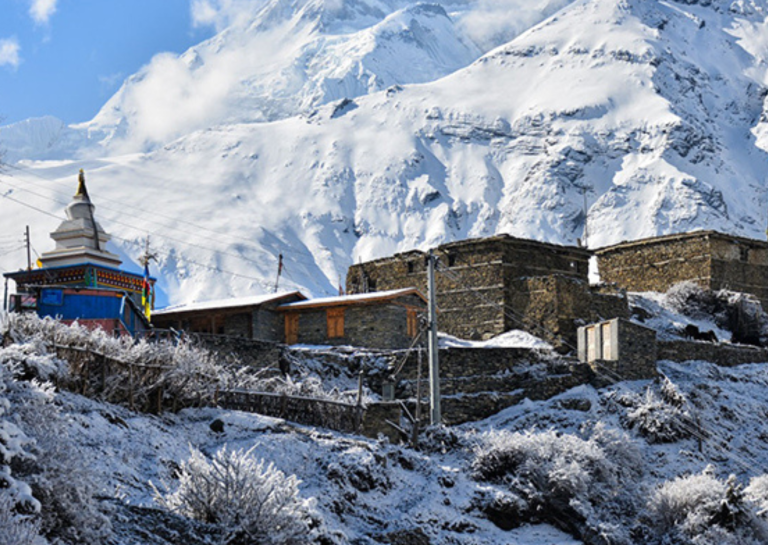
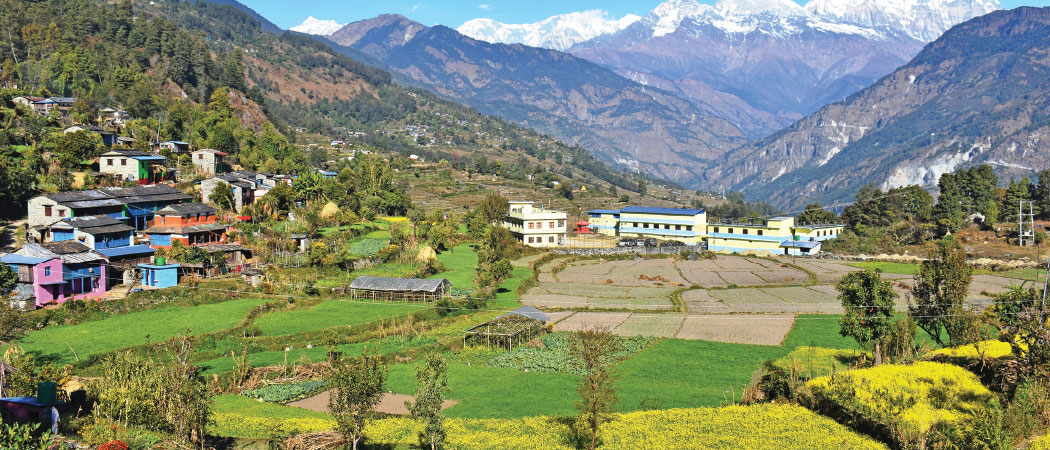
The village, situated at an altitude of 1,750 metres, provides breathtaking views of the Dhaulagiri and Annapurna ranges. Toripani is also renowned for its spice crops, particularly Timur, and nearby historical and religious sites such as Todke, Dholthana Palace, and Pachhain. Tourists can access these destinations either via short hikes or by road, connecting Toripani with surrounding rural municipalities.
Economic and Cultural Benefits
Ward Chairperson Chakra KC expressed confidence that the homestay programme would promote tourism, generate employment, and increase local incomes. The initiative aligns with broader efforts to develop sustainable tourism models that empower local communities while preserving natural and cultural heritage.
During the inauguration, guests were welcomed with traditional Naumati baja and devotional songs performed by local residents, reflecting the village’s vibrant culture and the spirit of hospitality.

Toripani is gradually emerging as a peaceful, family-friendly destination for travelers seeking an authentic and immersive experience in the heart of the Myagdi district. With the Sayapatri Community Homestay initiative, the village is poised to become a notable stop for tourists exploring the Dhaulagiri and Annapurna trekking circuits, as well as the nearby historical and cultural sites.
This community-led initiative not only strengthens local tourism infrastructure but also creates avenues for economic growth, cultural preservation, and sustainable development, establishing Toripani as a model for rural hotel programmes in Nepal.