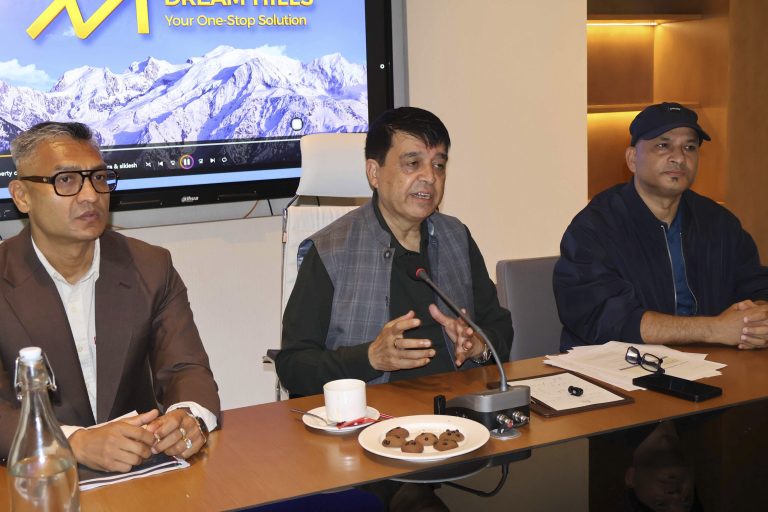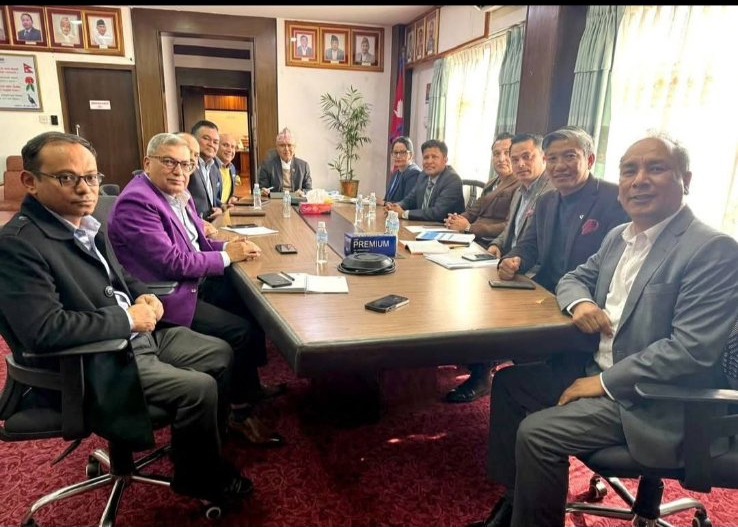
A high-level delegation of tourism stakeholders recently met with Finance Minister to appraise the government on the current status of Nepal’s tourism industry and discuss strategic measures for its sustainable development. The meeting was moderated by the CEO of Nepal Tourism Board (NTB) and attended by key representatives, including the presidents of Hotel Association of Nepal (HAN), Nepal Association of Tour & Travel Agents (NATTA), Trekking Agencies’ Association of Nepal (TAAN), Nepal Mountaineering Association (NMA), AWON, and Expedition Operators Association of Nepal (EOAN).
Key Proposals by Tourism Industry Leaders to Finance Minister
President Binayak Shah, representing the stakeholders, highlighted several critical issues affecting the hotel and travel sector. He urged the government to implement industrial electricity tariffs for hotels as per the law and strictly enforce the “No License: No Hotel” provision to ensure proper regulation of the industry. Shah also recommended the abolition of hotel luxury tax, introduction of easy e-payment mechanisms, promotion of domestic tourism, and leveraging benefits such as leave travel allowances for employees.

He further emphasized the potential of destination weddings and Meetings, Incentives, Conferences, and Exhibitions (MICE) tourism as key avenues for boosting the sector. Additionally, Shah suggested allowing government programs to be hosted at hotels, which would increase hotel occupancy and revenue streams.
Financial Relief and Support Measures
To address the ongoing financial challenges faced by hotels, President Shah urged the government to announce special financial support to defer interest payments to banks, allowing deferral until the end of Asad 2083. He emphasized that such measures are essential to maintain hotel operations for at least one year, provide services and facilities to affiliated workers and employees, and sustain the minimum financial resources required for the hotel supply chain.
Shah further stressed that the tourism sector should receive priority concessions similar to the agricultural industry, including a dedicated special policy and economic arrangement under the Monetary Policy of Nepal Rastra Bank. This, he noted, would be crucial for the sustainable development and long-term growth of the tourism and hotel industry in Nepal.
Additional Issues Highlighted
Beyond financial measures, the stakeholders also discussed operational and regulatory concerns, including:
- Value Added Tax (VAT) on air travel,
- Timely management of TIMS (Trekkers’ Information Management System),
- Challenges related to Nepal Airlines, and
- The need for improved promotion and operational efficiency across the travel sector.
These points underscored the industry’s call for a more supportive framework that not only ensures regulatory compliance but also enhances competitiveness and service quality for both domestic and international tourists.

Collaborative Approach for Sustainable Development
The meeting highlighted the importance of a collaborative approach between the government and industry stakeholders to ensure that Nepal’s tourism sector recovers from recent challenges and thrives sustainably. By implementing policy reforms, offering financial relief, and prioritizing tourism in economic planning, the industry aims to strengthen operational resilience, support local employment, and boost overall economic growth.
Participants expressed optimism that the dialogue would pave the way for meaningful policy decisions, helping the sector navigate short-term challenges while laying the foundation for long-term sustainable growth in Nepal’s tourism and hospitality industry.