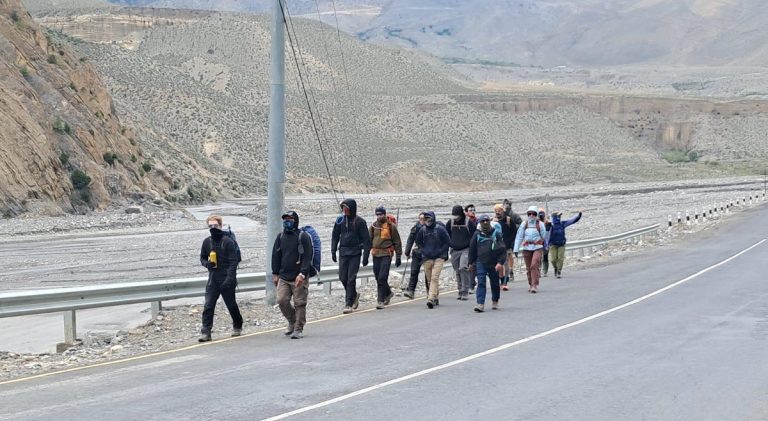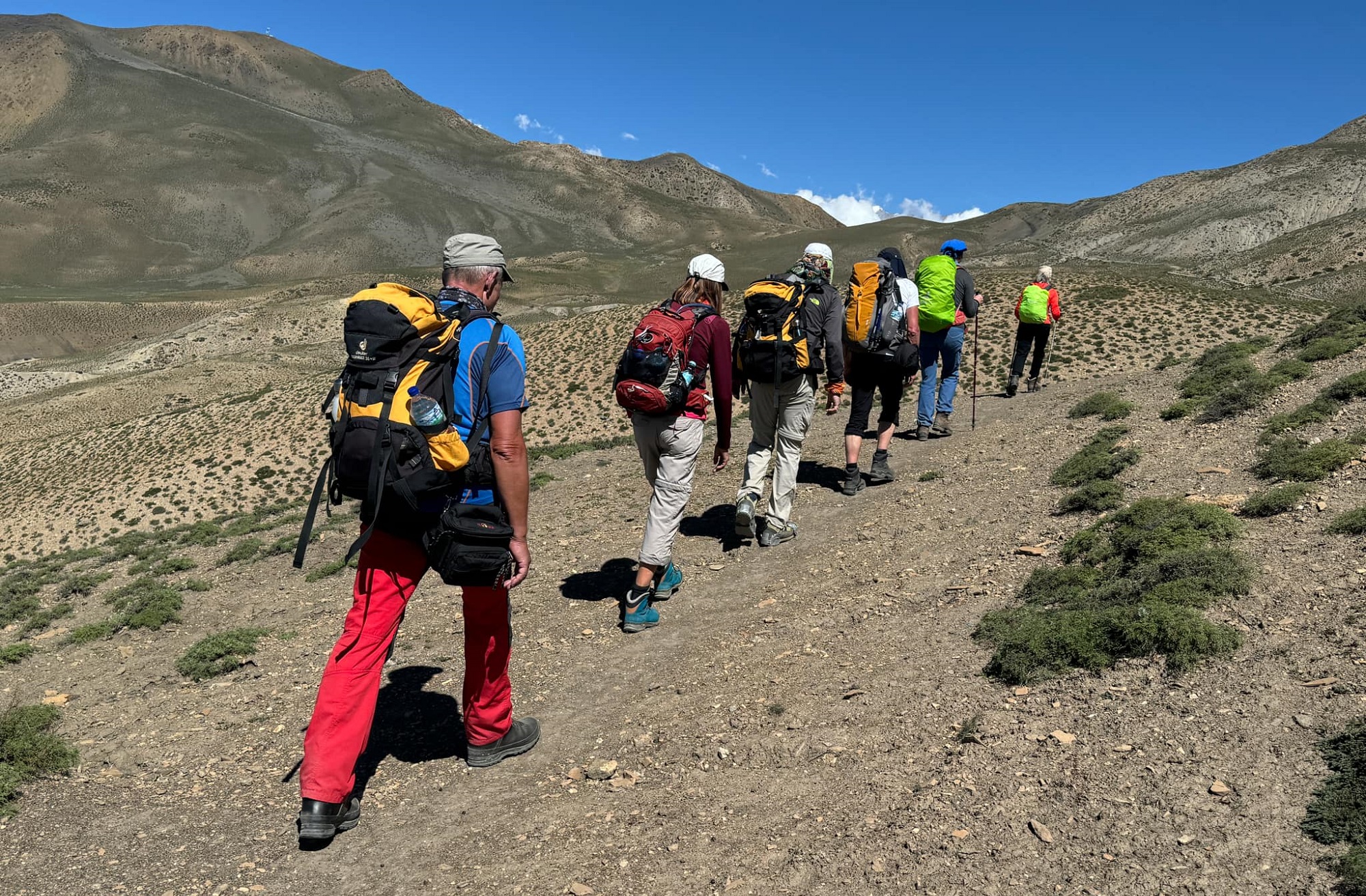
Mustang district has recorded a significant rise in foreign tourist arrivals in the first eleven months of 2025, marking a 10.61% increase compared to the same period in 2024. According to the Annapurna Conservation Area Project (ACAP), Area Conservation Office in Jomsom, the region continues to attract growing numbers of international visitors despite occasional disruptions during the year.
Over 14,000 More Foreign Tourists Compared to Last Year
Data released by ACAP Jomsom shows that from January to November 2025, Mustang welcomed 14,411 more foreign tourists than in the same period of 2024. This growth highlights Mustang’s rising popularity as a premier trekking and cultural tourism destination.

In 2024, a total of 135,719 foreign visitors, including those from SAARC and non-SAARC countries, traveled to Mustang throughout the year. This included 109,549 tourists from SAARC nations and 26,170 from other countries.
150,130 Foreign Visitors Recorded So Far in 2025
With the month of December still remaining, the number of foreign tourists visiting Mustang in 2025 has already reached 150,130, according to ACAP Jomsom Office Chief Rajesh Gupta.
Of these, 123,253 are from SAARC member countries, while 26,877 are from other parts of the world. Officials expect the final annual count to rise further once December’s arrivals are added, potentially setting a new record for Mustang’s tourism industry.

Seasonal and Political Factors Influencing Numbers
While Mustang saw an overall increase in tourist arrivals, ACAP officials noted that certain months experienced a temporary decline. Office Chief Rajesh Gupta stated that the GenZ movement led by youth activists in August and September, coupled with adverse weather conditions, resulted in a noticeable drop in the number of foreign visitors during those months. Despite these challenges, the region regained momentum in the following weeks, with numbers rebounding strongly in October and November.
Mustang Remains a Key Attraction for Global Travelers
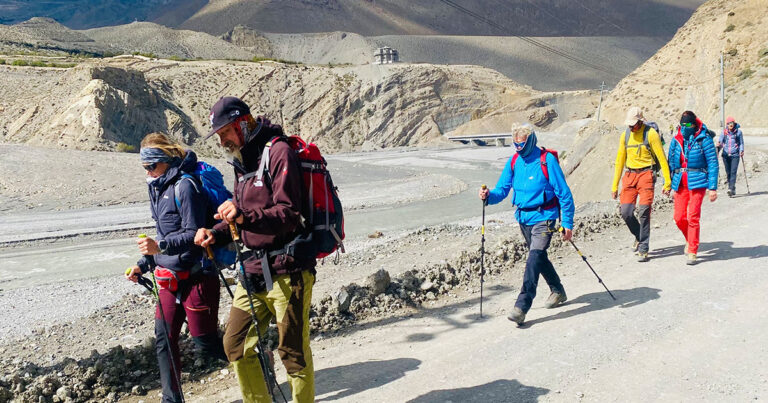
Mustang’s dramatic landscapes, rich Tibetan-influenced culture, sacred pilgrimage sites, and globally renowned trekking routes continue to draw visitors from around the world. The region remains a vital part of Nepal’s tourism industry, contributing significantly to local livelihoods and the national economy. Tourism authorities believe that continued improvements in infrastructure, safety, and promotion will help sustain the upward trend seen in 2025.