In Nepal’s federal capital, Kathmandu, the absence of a dedicated bus park for tourist buses has compelled operators to run their vehicles directly on city streets, causing congestion and operational challenges. The issue is particularly acute on the Sorhakhutte Road in Kathmandu Metropolitan City–16, where buses serving major tourist destinations have no designated parking space.
For over three decades, Kantipath Road had functioned as the main tourist bus hub. However, on 16 Ashadh 2075 BS (July 2018), the municipal authorities, citing heavy congestion in Kantipath, relocated the tourist bus operations to Sorhakhutte Road. Despite seven years having passed since the relocation, the government has yet to establish a proper bus park, forcing tourist buses to continue operating from the roadside.

Vital for Tourism and Economy
Tourist buses departing from Sorhakhutte currently serve destinations including Pokhara, Chitwan (Sauraha), Lumbini, and Janakpur, carrying both domestic and international travelers. Services typically begin at 7:00 am, ferrying passengers to key cultural and natural landmarks across Nepal.
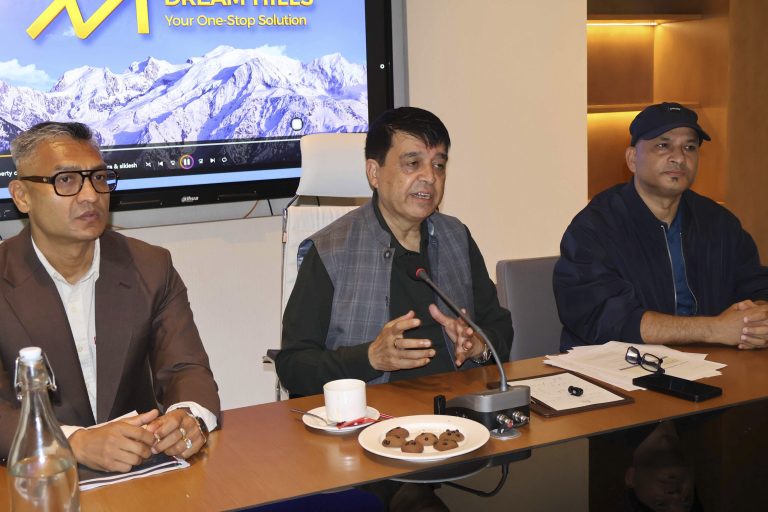
Bhishma Neupane, President of the Tourist Bus Association of Nepal (TBAN), highlighted the lack of government attention toward the sector, saying, “The government claims to boost the economy through tourism, but without a dedicated bus park, the sector faces unnecessary challenges. Tourist bus parking should be a top priority for the state.”
Neupane also pointed out that many countries have developed dedicated bus parks as part of their tourism infrastructure, yet Nepal has lagged in creating such facilities despite the growing demand. He emphasized that even after relocating the buses from Kantipath to Sorhakhutte, the government should have developed a parking facility near Thamel, Kathmandu’s primary tourist hub, to streamline operations.
High Demand and Operational Challenges
Currently, nearly 100 tourist buses operate daily from Kathmandu to major destinations. These vehicles transport between 2,000 and 3,000 domestic and international travelers every day, underscoring the critical role of tourist buses in Nepal’s tourism economy.
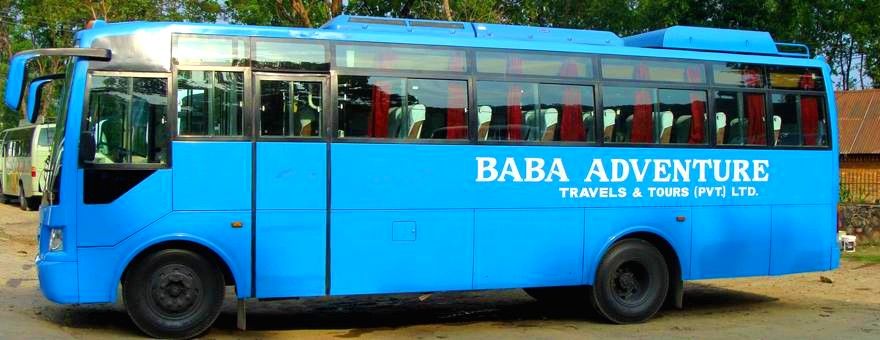
Prahlad Lohani, former president of TBAN and operator of Baba Adventure Pvt. Ltd., said that despite repeated appeals by TBAN to relevant authorities for the construction of a bus park, no progress has been made. He emphasized that government inaction has hindered the establishment of proper infrastructure, leaving buses to park along roadsides in the morning and pay for garage spaces at night.
At present, operators start parking tourist buses on Sorhakhutte Road between 5:00 am and 7:00 am, often contending with heavy traffic and limited space, and later rely on private garages that charge fees during off-hours.

Call for Immediate Action
Stakeholders argue that establishing a dedicated tourist bus park is essential not only for smooth operations but also to support Nepal’s growing tourism sector. A well-organized facility would improve road safety, reduce traffic congestion, and enhance the experience of visitors traveling to key cultural and natural destinations across the country.
With tourism being a major pillar of Nepal’s economy, the absence of proper infrastructure for tourist transport highlights the urgent need for government intervention. Both TBAN and private operators continue to press authorities to prioritize the construction of a tourist bus park in strategic locations, particularly near major tourist zones like Thamel, to ensure sustainable growth of the sector.