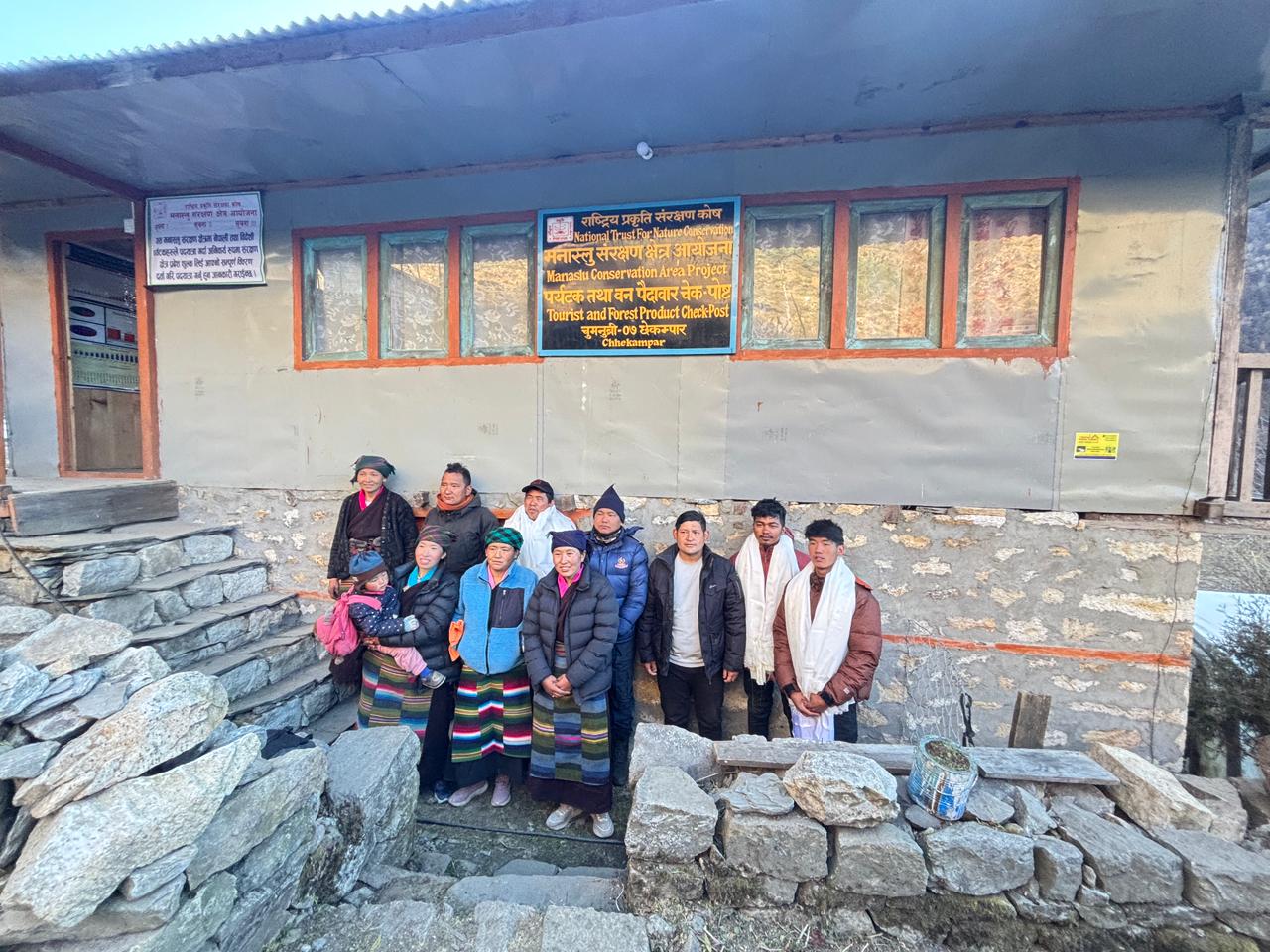
The Manaslu Conservation Area Project (MCAP) has taken a significant step toward strengthening conservation governance and sustainable tourism management with the formal establishment of a Tourist and Forest Product Checkpost at Chhekam, Ward No. 07 of Chhekampar, Chumnubri Rural Municipality. The checkpost officially came into operation on Mangsir 29, 2082, marking an important expansion of monitoring infrastructure within the Manaslu Conservation Area (MCA).
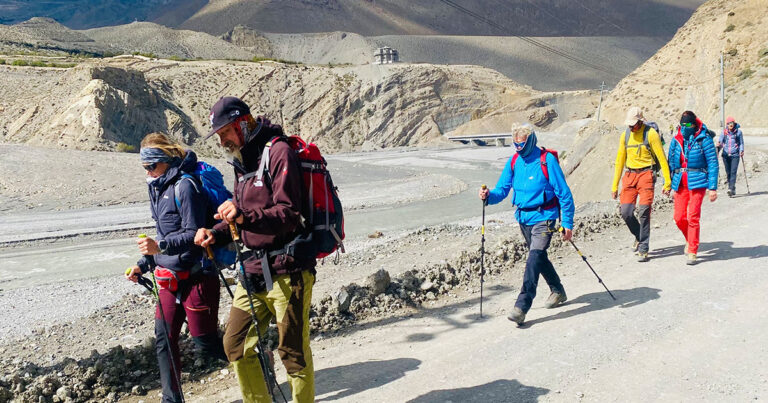
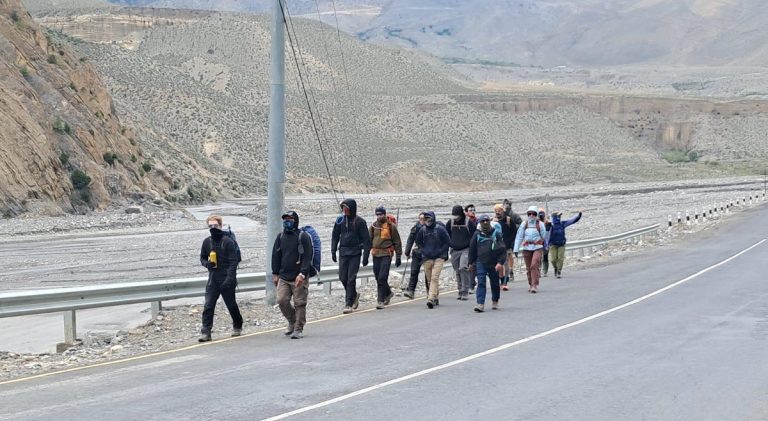
With the launch of the Chhekampar Checkpost, MCAP has made it mandatory for all domestic and international tourists to complete entry and exit registration at this point. This directive is aimed at improving tourist tracking, enhancing safety, and ensuring better data-driven decision-making for conservation and tourism planning.
Strengthening Conservation Management Beyond Samagaun and Jagat
Before this development, tourist and forest product checkposts within the Manaslu Conservation Area were limited to Samagaun and Jagat. While these locations played a crucial role in monitoring visitor movement and forest product transportation, the growing flow of trekkers and local activities in upper Manaslu highlighted the need for an additional checkpoint.

The establishment of the Chhekampar Checkpost fills a critical geographic and administrative gap, particularly in a region that serves as an important corridor for both tourists and local communities. By decentralizing monitoring mechanisms, MCAP aims to enhance real-time oversight and reduce pressure on existing checkposts, thereby improving overall management efficiency.
Multi-Stakeholder Participation Reflects Local Ownership
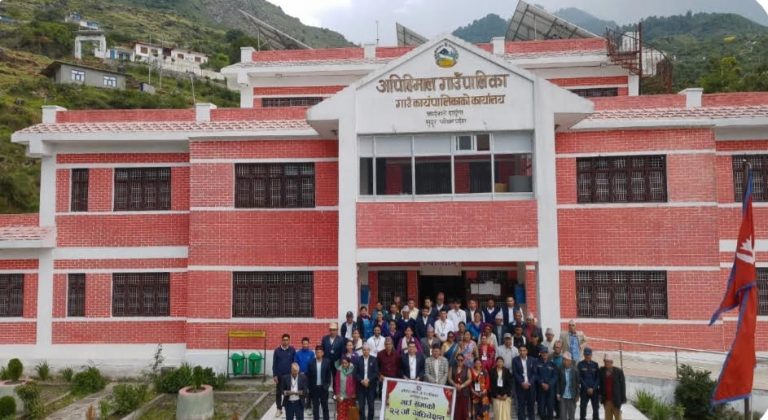
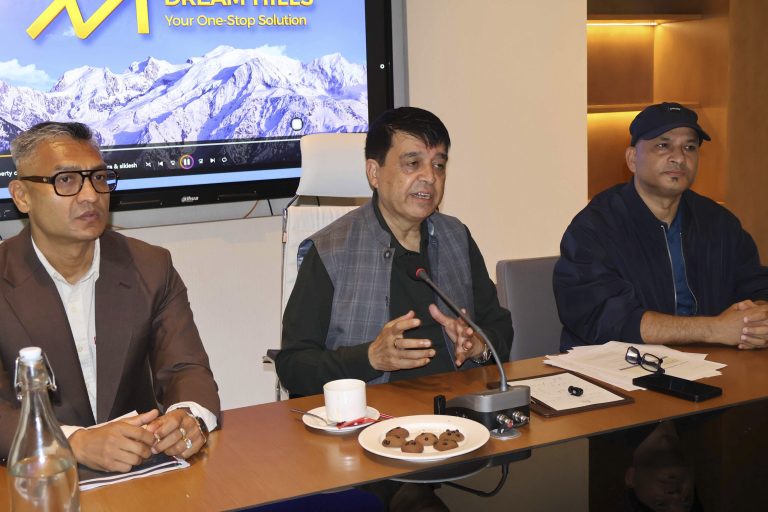
The inauguration of the checkpost was accompanied by an introductory program attended by a wide range of stakeholders. Notable participants included the Chairperson of the Conservation Area Management Committee (CAMC), Chhiring Wangyel, Secretary Sonam Paljor, MCAP staff members, representatives of local mothers’ groups (Ama Samuha), security personnel, and health post representatives.
This diverse participation underscores MCAP’s community-based conservation approach, where local institutions and groups are actively involved in protecting natural resources. The presence of community leaders and grassroots organizations signals local ownership of conservation initiatives, which is essential for long-term sustainability in protected areas.
Comprehensive Mandate of the Chhekampar Checkpost
The newly established checkpost has been assigned a broad and strategic mandate. Its primary responsibilities include the registration and data collection of both domestic and international tourists, monitoring tourist entry and exit within the conservation area, and verifying permits to ensure compliance with conservation regulations.
Equally important is the checkpost’s role in controlling illegal transportation of forest products, a persistent challenge in remote mountain regions. Through systematic inspections and coordination with relevant authorities, the checkpost will contribute to curbing unauthorized extraction and trade of natural resources.
In addition, the checkpost will support the enforcement of conservation area rules, laws, and codes of conduct, promote environmental protection, and contribute to wildlife and biodiversity conservation. It will also serve as an information hub, providing tourists with guidance, awareness, and necessary instructions to ensure responsible behavior within the conservation area.
Coordination, Monitoring, and Emergency Response
Beyond routine monitoring, the Chhekampar Checkpost is designed to function as a coordination center. It will work closely with local communities, CAMC, mothers’ groups, and other stakeholders to monitor activities within the conservation area and prepare regular reports for MCAP.
In emergency situations, such as accidents, natural disasters, or health-related incidents involving tourists, the checkpost will coordinate with security agencies and concerned institutions to facilitate timely response and support. This role is particularly critical in high-altitude and remote areas like Manaslu, where access to immediate assistance can be challenging.
Human Resources and Institutional Readiness
At present, the Chhekampar Checkpost is staffed by one Natural Resource Conservation Assistant and one office support staff. MCAP has assigned Subas Majakoti as the Office In-Charge of the Tourist and Forest Product Checkpost, entrusting him with operational leadership and coordination responsibilities.
While the current staffing reflects a modest beginning, it lays the institutional foundation for future expansion based on operational needs and tourist flow. Effective performance at this stage will be key to justifying additional resources and capacity enhancement.

Implications for Sustainable Tourism and Local Service Delivery
The operation of the Chhekampar Checkpost is expected to significantly strengthen conservation area management while making tourist management and local service delivery more effective. Mandatory registration will improve the accuracy of tourism data, enabling better planning for infrastructure, waste management, and environmental protection.
From an analytical perspective, the checkpost represents a shift toward proactive governance, where conservation, tourism management, and community coordination are addressed simultaneously. If implemented effectively, it can serve as a model for other protected areas facing similar challenges of balancing tourism growth with environmental sustainability.
Overall, the establishment of the Chhekampar Checkpost reflects MCAP’s commitment to adaptive management and responsible tourism, reinforcing the Manaslu Conservation Area’s reputation as a well-managed and community-inclusive conservation landscape.