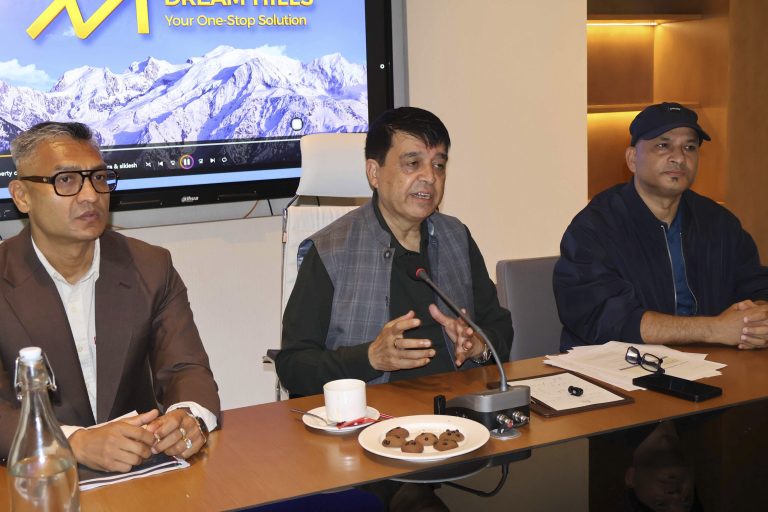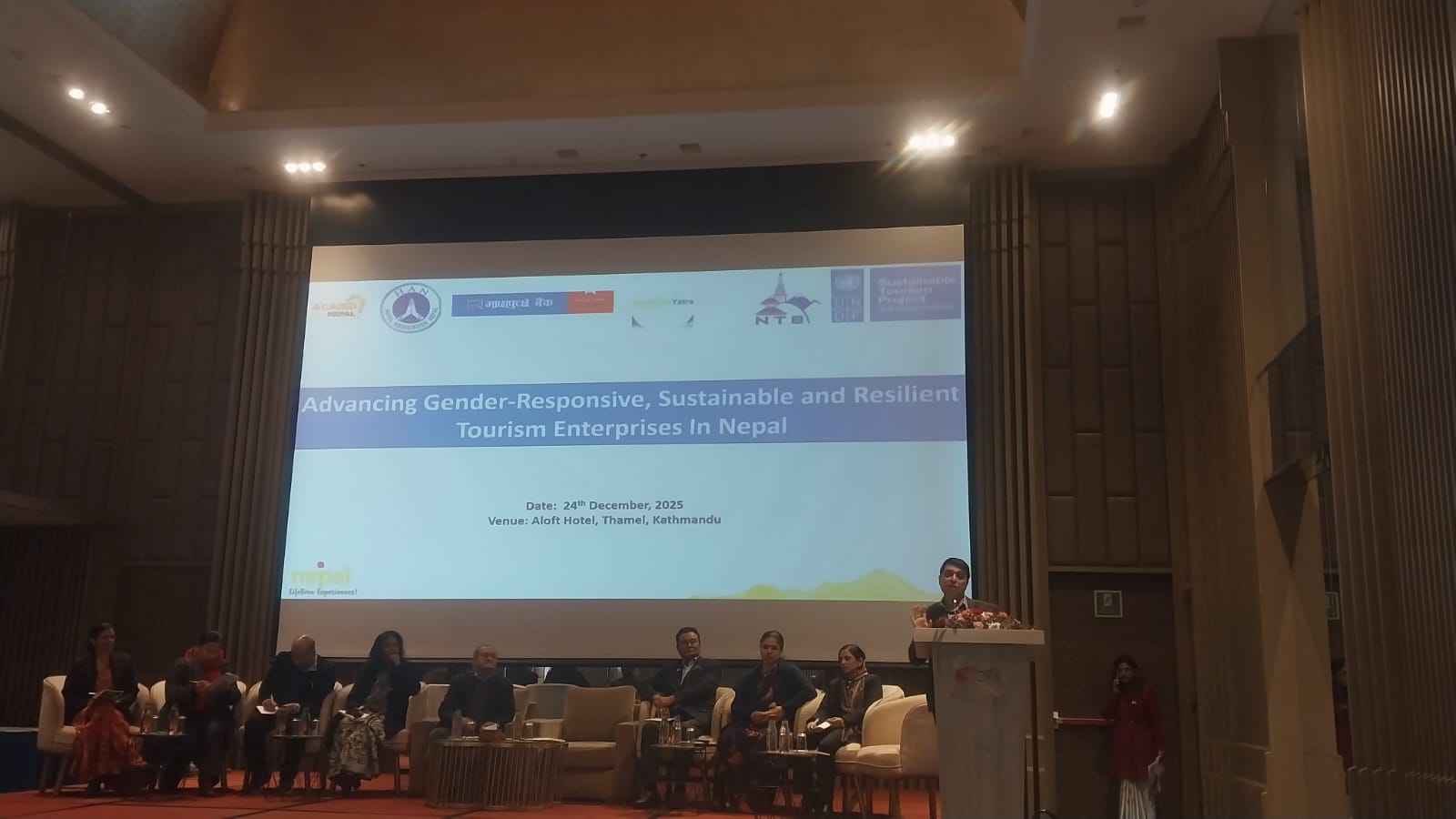
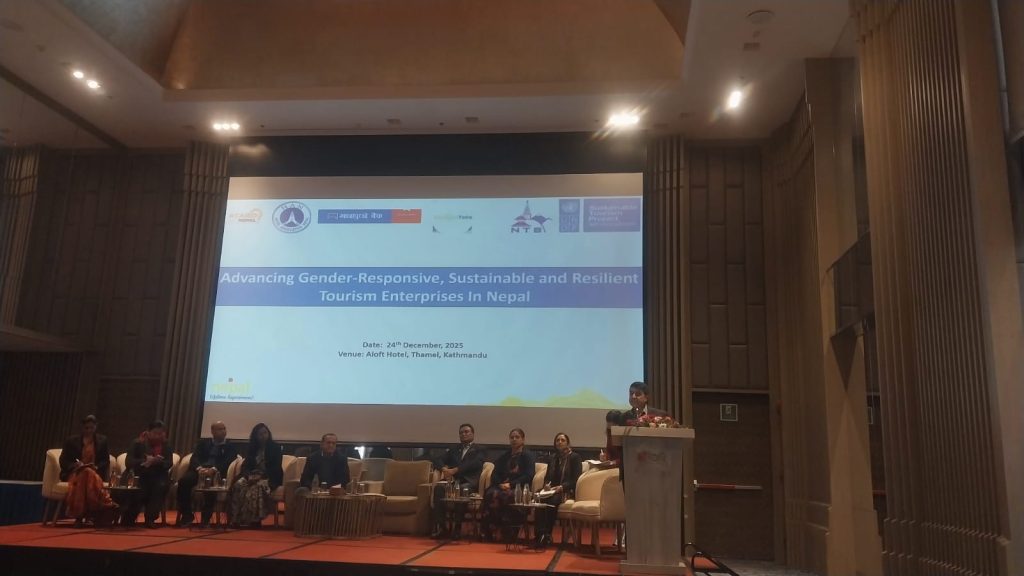
A high-level policy dialogue titled “Advancing Gender-Responsive, Sustainable, and Resilient Tourism Enterprises in Nepal” was held in Kathmandu on December 24, 2025, bringing together key policymakers, development partners, private sector representatives, women entrepreneurs, and tourism experts to chart a more inclusive and resilient future for Nepal’s tourism industry.
The half-day dialogue was organized by the Academy of Innovation for Economic Development (ACAIED) Nepal in collaboration with the Sustainable Tourism Project (STP), a joint initiative of the Nepal Tourism Board (NTB) and the United Nations Development Programme (UNDP). The forum focused on strengthening policy and programmatic responses to better support women-led tourism enterprises and to ensure that sustainability and resilience are placed at the core of tourism recovery and transformation.

Call for Policy Reforms and Narrative Change
Serving as the Chief Guest, FNCCI President Chandra Dhakal highlighted the importance of the dialogue in advancing gender-sensitive, sustainable, and resilient tourism enterprises. He acknowledged that while advocacy efforts and institutional reforms are underway, much remains to be done to close persistent gaps in women’s participation and leadership within the tourism sector.
Dhakal emphasized recent legal and policy changes aimed at boosting women’s involvement in entrepreneurship and called for a shift in the narrative that portrays Nepal as lagging in progress. “Nepal is ready to demonstrate its potential to mobilize domestic capital and implement large-scale projects,” he said, noting that the tourism sector has shown strong recovery and growth, particularly in the post-COVID-19 period.
Women at the Center of Tourism Recovery
Tourism remains a vital pillar of Nepal’s economy, contributing significantly to employment generation, foreign exchange earnings, and local livelihoods. Women play a critical role in the sector, especially through micro, small, and medium enterprises such as homestays, accommodation services, handicrafts, food services, and community-based tourism ventures.
However, repeated shocks, including natural disasters, the COVID-19 pandemic, climate-related risks, and broader economic slowdowns, have disproportionately affected women-led enterprises. These challenges have exposed persistent gaps in access to finance, markets, skills, technology, and institutional support, underscoring the need for targeted and gender-responsive policy interventions.
Aligning Policy with Practice
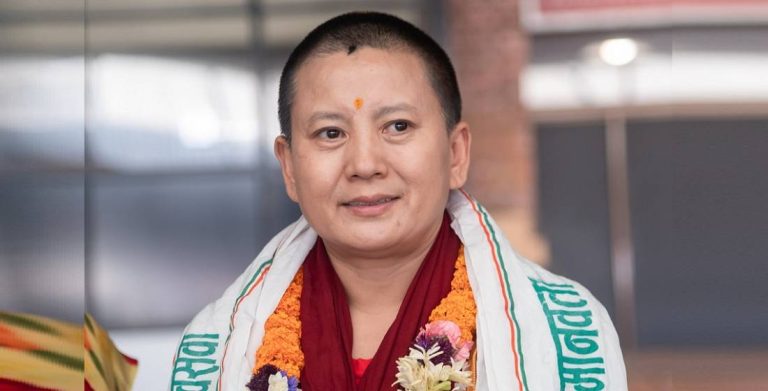
ACAIED Nepal CEO Durga Thapa stated that the dialogue aimed to bridge the gap between policy commitments and on-the-ground implementation by placing gender responsiveness, sustainability, and resilience at the heart of tourism sector reforms.
“The discussions are aligned with Nepal’s national development priorities and the Sustainable Development Goals, particularly SDG 5 on Gender Equality, SDG 8 on Decent Work and Economic Growth, SDG 10 on Reduced Inequalities, and SDG 12 on Responsible Consumption and Production,” Thapa noted.
NTB’s Vision for Inclusive Growth
Speaking at the event, NTB CEO Deepak Raj Joshi emphasized the need to mainstream gender responsiveness in tourism recovery and long-term growth strategies. He highlighted that women-led tourism enterprises form the backbone of Nepal’s tourism ecosystem, particularly at the community level.
“Strengthening their resilience and ensuring meaningful policy support is essential for building a more inclusive, competitive, and sustainable tourism sector,” Joshi said. He added that the dialogue complemented NTB’s broader vision of inclusive tourism development, stressing that sustainable tourism growth cannot be achieved without empowering women entrepreneurs.
Thematic Focus and Action-Oriented Discussions
The dialogue focused on two major thematic areas: Gender-Responsive Tourism Entrepreneurship and Enterprise Sustainability, and Building Resilience in Women-Led Tourism Enterprises. Participants explored policy measures, best practices, and enterprise-level strategies to strengthen resilience against economic, climate, and market-related shocks.

Two panel discussions, “Women’s Entrepreneurship in Tourism: From Policy Commitments to Practice” and “Inclusive and Resilient Tourism Growth: Priorities for Collaboration and Action”, synthesized lessons learned, identified policy gaps, and outlined priority actions for government agencies, development partners, and the private sector.
Towards Inclusive and Sustainable Tourism
The policy dialogue generated valuable insights and recommendations, strengthened coordination among stakeholders, and contributed to ongoing and future initiatives aimed at promoting women’s economic empowerment and inclusive tourism growth in Nepal. Participants concluded that advancing gender-responsive and resilient tourism enterprises is not only a matter of equity but also a strategic necessity for building a sustainable and competitive tourism sector in the years ahead.