The two-day Pottery Square Street Festival, held at the historic Pottery Square of Bhaktapur, concluded successfully last night, drawing a remarkable crowd of both domestic and international visitors. The festival was organized to celebrate and promote Bhaktapur’s centuries-old tradition of pottery making and indigenous craftsmanship, which has long been an integral part of the city’s cultural identity.
Thousands Gather at Historic Pottery Square
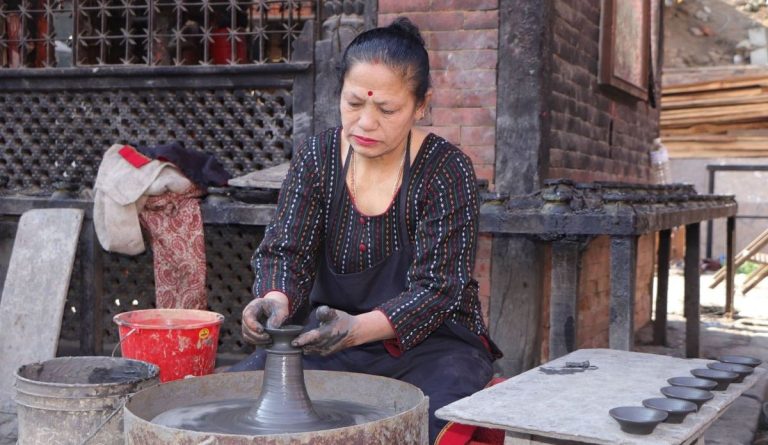
According to festival coordinator Ukesh Prajapati, more than 30,000 visitors attended the event over the two days. Pottery Square, located in the Talako area of Bhaktapur, is historically and culturally significant as a hub of traditional pottery and woodcraft. Throughout the festival, visitors witnessed live demonstrations of clay pottery making, wood carving, and other handicraft production. The square was filled with tourists keen to observe artisans shaping clay into traditional pots, lamps, and decorative items using age-old techniques passed down through generations.

The festival also offered an opportunity for visitors to taste a variety of local cuisines. Food stalls serving traditional Newari dishes and locally produced snacks became a major attraction, allowing guests to experience the culinary heritage of Bhaktapur alongside its craftsmanship.
Promoting Domestic and International Tourism
Bhaktapur Municipality organized the event with the aim of strengthening not only international tourism but also domestic tourism. Officials emphasized that while foreign visitors play a vital role in the local tourism economy, encouraging internal tourism is equally important to sustain cultural heritage and community-based livelihoods.
To keep the festive atmosphere alive, cultural programs and concerts were organized until Saturday night. Traditional dances, folk music, and cultural performances highlighted Bhaktapur’s vibrant artistic traditions, creating an engaging environment for visitors of all ages.
Showcasing Local Products and Skills
The festival was primarily focused on preserving indigenous products and skills. Various stalls displayed and sold locally produced food items, agricultural products, clay utensils, handmade pottery, and woodcrafts. These exhibitions provided a valuable platform for local artisans and farmers to showcase their work, generate income, and connect directly with consumers.
Visitors expressed keen interest in purchasing handcrafted pottery and souvenirs, which not only supported local livelihoods but also helped spread awareness of Bhaktapur’s rich cultural heritage. Artisans were seen explaining the process of pottery making to curious onlookers, making the festival both an educational and entertaining experience.
Cultural Preservation and Community Engagement
Organizers highlighted that the festival aimed to preserve traditional knowledge and craftsmanship while also encouraging younger generations to take pride in their cultural roots. By creating a space where traditional skills could be displayed and appreciated, the event contributed to sustaining intangible cultural heritage.
Local residents also actively participated in the festival, volunteering, performing in cultural programs, and assisting visitors. This community involvement strengthened social bonds and reinforced the collective responsibility of preserving Bhaktapur’s unique identity.

With the overwhelming response received this year, organizers are optimistic about expanding the festival in the coming years. They believe that the Pottery Square Street Festival can evolve into a flagship cultural tourism event, further enhancing Bhaktapur’s reputation as a living heritage city.
The successful conclusion of the two-day festival not only highlighted the artistic brilliance of Bhaktapur’s craftsmen but also reaffirmed the city’s commitment to promoting sustainable tourism, cultural preservation, and community-based economic growth.