Tamu Lhosar is one of Nepal’s most vibrant and meaningful cultural festivals, celebrated by the Gurung community to mark the beginning of their New Year according to the Tamu Sambat lunar calendar. Observed every year on the 15th of Poush in the Nepali calendar, the festival symbolizes renewal, gratitude, and hope for prosperity in the year ahead. The word “Tamu” refers to the Gurung people, while “Lhosar” means New Year, together expressing a deep connection between identity, time, and tradition.
Rooted in an agrarian lifestyle and close relationship with nature, Tamu Lhosar reflects the rhythm of rural life where seasonal cycles determined farming activities, food security, and social harmony. On this auspicious day, Gurung communities across Nepal and around the world joyfully gather to celebrate not only the arrival of a new year but also the continuity of their rich cultural legacy.

Historical Roots and Cultural Identity
The Gurung, or Tamu, community has lived for centuries in the Himalayan foothills of central and western Nepal, particularly in Lamjung, Kaski, Gorkha, Manang, and surrounding districts. Their culture, language, and traditions have remained remarkably preserved despite social change and modernization. Tamu Lhosar stands as a cornerstone of Gurung identity, linking present generations with ancestral customs.
The term “Lhosar” is derived from Tibetan words, “Lho” meaning year and “Sar” meaning new, revealing historical and cultural ties with Tibetan civilization. Traditionally, the festival marked the conclusion of an old agricultural cycle and the beginning of a new one, a time to cleanse homes, offer prayers, and prepare for upcoming farming activities. It was also an important moment for settling disputes, strengthening kinship bonds, and renewing social commitments within the community.
Rituals, Dress, and Cultural Expressions
Tamu Lhosar is celebrated with great enthusiasm in both rural villages and urban centers such as Pokhara, Kathmandu, and Chitwan, where Gurung communities organize large-scale programs. Homes are cleaned and decorated, traditional foods are prepared, and families gather for blessings and feasts.
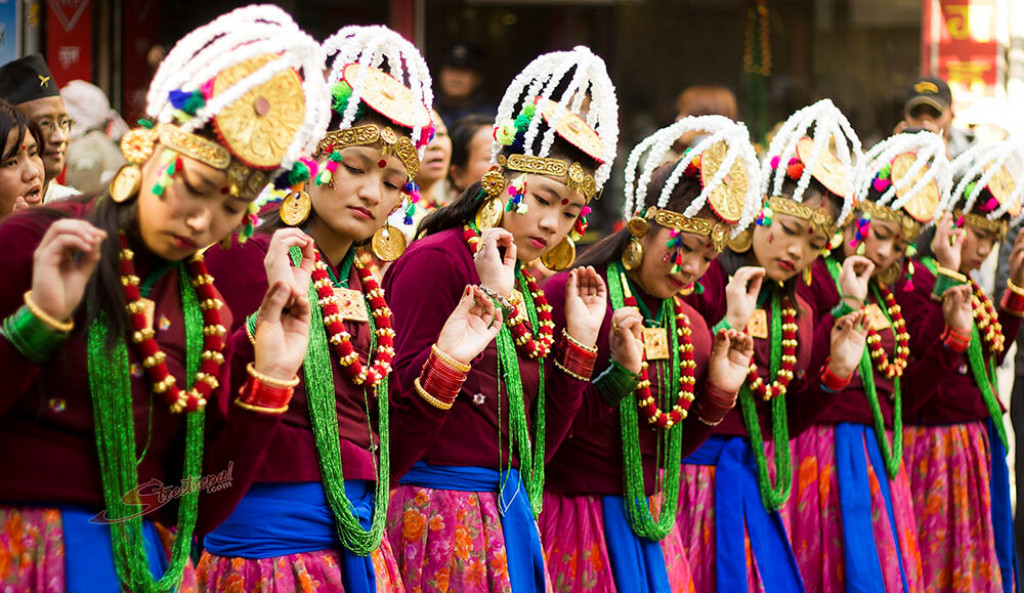
Men and women proudly wear traditional attire, men in daura, suruwal, and the iconic Bhadaure Topi, and women in vibrant gurung dresses adorned with gold and silver jewelry. Cultural performances are a major highlight of the celebrations. Traditional dances such as Ghantu, Chudka, Sorathi, and other folk performances are presented in community halls and public grounds, narrating stories of bravery, love, and folklore passed down through generations.
Ritual offerings are made to ancestral deities, accompanied by prayers seeking peace, good health, and prosperity. Elders bless the younger members, reinforcing respect, unity, and continuity of tradition.
A Growing Cultural Tourism Attraction
In recent years, Tamu Lhosar has emerged as a major cultural attraction, drawing both domestic and international tourists. Colorful rallies, traditional processions, food festivals, and live performances provide visitors with a rare opportunity to experience Gurung culture firsthand. Tourism boards and cultural institutions have increasingly recognized the festival as an important platform to promote Nepal’s ethnic diversity and intangible cultural heritage.
In cities like Pokhara and Kathmandu, Lhosar celebrations feature exhibitions, craft stalls, cultural workshops, and authentic Gurung cuisine, making the festival not only a cultural event but also an economic opportunity for local artisans and entrepreneurs.

Preserving Heritage for Future Generations
Beyond festivity, Tamu Lhosar plays a crucial role in preserving cultural values in a rapidly changing world. It educates younger generations about their language, customs, rituals, and community responsibilities. Through dance, music, and shared rituals, the festival ensures that traditions remain alive and meaningful.
As Nepal continues to embrace multiculturalism and cultural tourism, Tamu Lhosar stands as a powerful symbol of unity, pride, and continuity. It is not merely the beginning of a new year, it is a celebration of identity, heritage, and the enduring spirit of the Gurung community that continues to enrich Nepal’s diverse cultural mosaic.