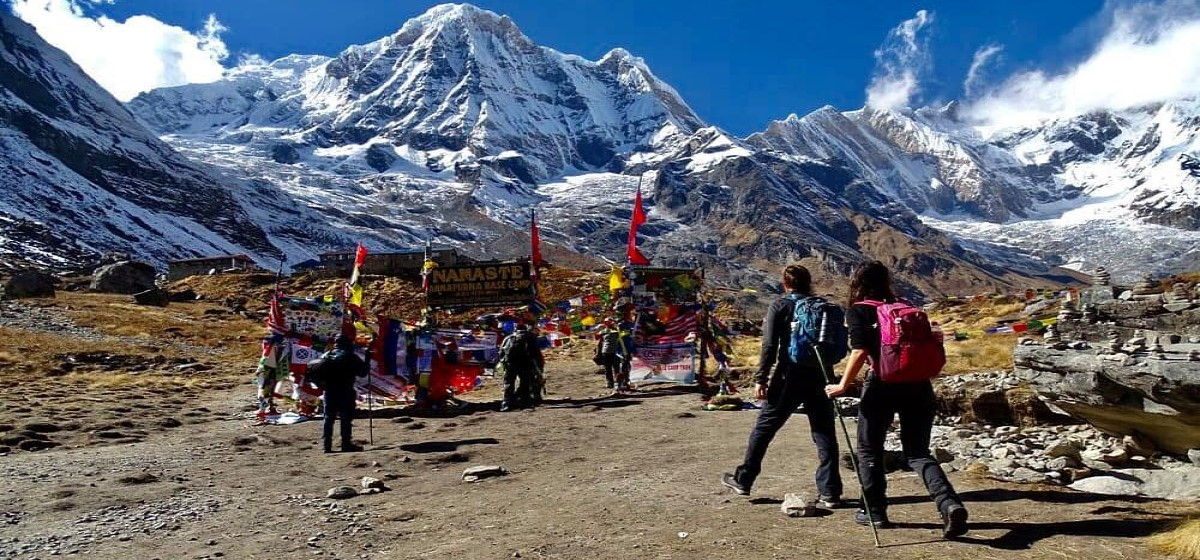
Myagdi’s Annapurna Rural Municipality has taken a significant step to enhance tourist safety by preparing skilled frontline responders to provide immediate treatment for altitude sickness in high Himalayan trekking destinations. Recognizing the growing flow of domestic and international trekkers to its remote mountain trails, the municipality has initiated a specialized training program aimed at equipping health workers and hotel entrepreneurs with essential knowledge and skills to manage health emergencies caused by low oxygen levels.
Altitude sickness, commonly known as Acute Mountain Sickness (AMS), is a frequent health challenge in high-altitude regions where oxygen levels are low. Many trekkers and even local residents suffer from symptoms such as headaches, dizziness, nausea, fatigue, and breathing difficulties. In severe cases, delayed treatment can lead to life-threatening complications. Considering the geographical remoteness of Annapurna’s highland wards and the limited access to emergency medical services, the municipality prioritized creating local capacity for immediate response.

Training for Health Workers and Tourism Entrepreneurs
According to the Chief of the Health Section of Annapurna Rural Municipality, Samundra Baruwal, health workers stationed in wards 4, 5, 6, 7, and 8, areas that fall under high-altitude Himalayan terrain, along with hotel and lodge entrepreneurs operating in popular trekking corridors, were provided with basic but critical training. The objective was to ensure that individuals who are closest to trekkers can identify symptoms early and offer timely first aid.
The training program was implemented with technical support from the Provincial Health Training Center in Pokhara. Previously, the municipality had facilitated similar training for health workers at the Himalayan Rescue Association in Chame, Manang. Building on that experience, the recent program focused on capacitating tourism entrepreneurs in Pokharebagar, a strategic gateway to some of the region’s most popular trekking routes.
A total of 25 hotel entrepreneurs operating in Annapurna Base Camp, Maurice Herzog Trail, Khopra Ridge, Bayeli, Ghodepani, Poon Hill, Phulbari, and Mohare Danda were trained under the initiative.
Focus on Symptoms, First Aid, and Home Remedies
The training covered recognition of altitude sickness symptoms, methods of administering primary treatment, and preparation of home-based remedies using locally available ingredients. Participants were also taught preventive measures such as proper acclimatization techniques, hydration practices, nutrition guidelines, and the importance of gradual ascent.
Baruwal stated that the sessions emphasized practical, easy-to-apply techniques that can be immediately used in remote trekking routes where professional medical help may not be readily accessible. The training also encouraged hotel owners to keep basic medical kits and emergency contact information readily available for trekkers.
Budget Allocation and Support Measures
To strengthen this initiative, Annapurna Rural Municipality has allocated a budget of NPR 300,000 in the current fiscal year specifically for managing altitude sickness-related health services. The budget will be utilized to procure essential medicines and distribute them to hotel operators in major trekking destinations.
Additionally, the municipality plans to distribute informational materials to trekkers, display awareness messages at key locations, and install signage providing guidance on altitude sickness prevention and first response measures. These steps aim to reduce the risk of severe health incidents and improve preparedness among visitors.
Enhancing Safety and Sustainable Tourism
Local authorities believe that the initiative will significantly enhance the safety of trekking tourism in Annapurna’s remote Himalayan corridors. By empowering local entrepreneurs and health workers, the municipality is creating a community-based emergency response network that bridges the gap between professional medical facilities and the trekking trails.
The program also supports the broader goal of promoting sustainable tourism by ensuring that visitors feel safer and more confident while exploring high-altitude destinations. Improved health preparedness is expected to encourage longer stays, repeat visits, and positive word-of-mouth among trekkers.

A Model for Other Mountain Regions
With the increasing popularity of Nepal’s Himalayan trekking routes, Annapurna Rural Municipality’s initiative stands as a model for other local governments in mountainous regions. By proactively addressing altitude-related health risks through community-level capacity building, the program highlights how local governments can play a crucial role in protecting both visitors and residents.
As trekking tourism continues to grow, such practical and preventive health interventions will be vital in safeguarding lives while strengthening Nepal’s reputation as a safe and responsible mountain tourism destination.