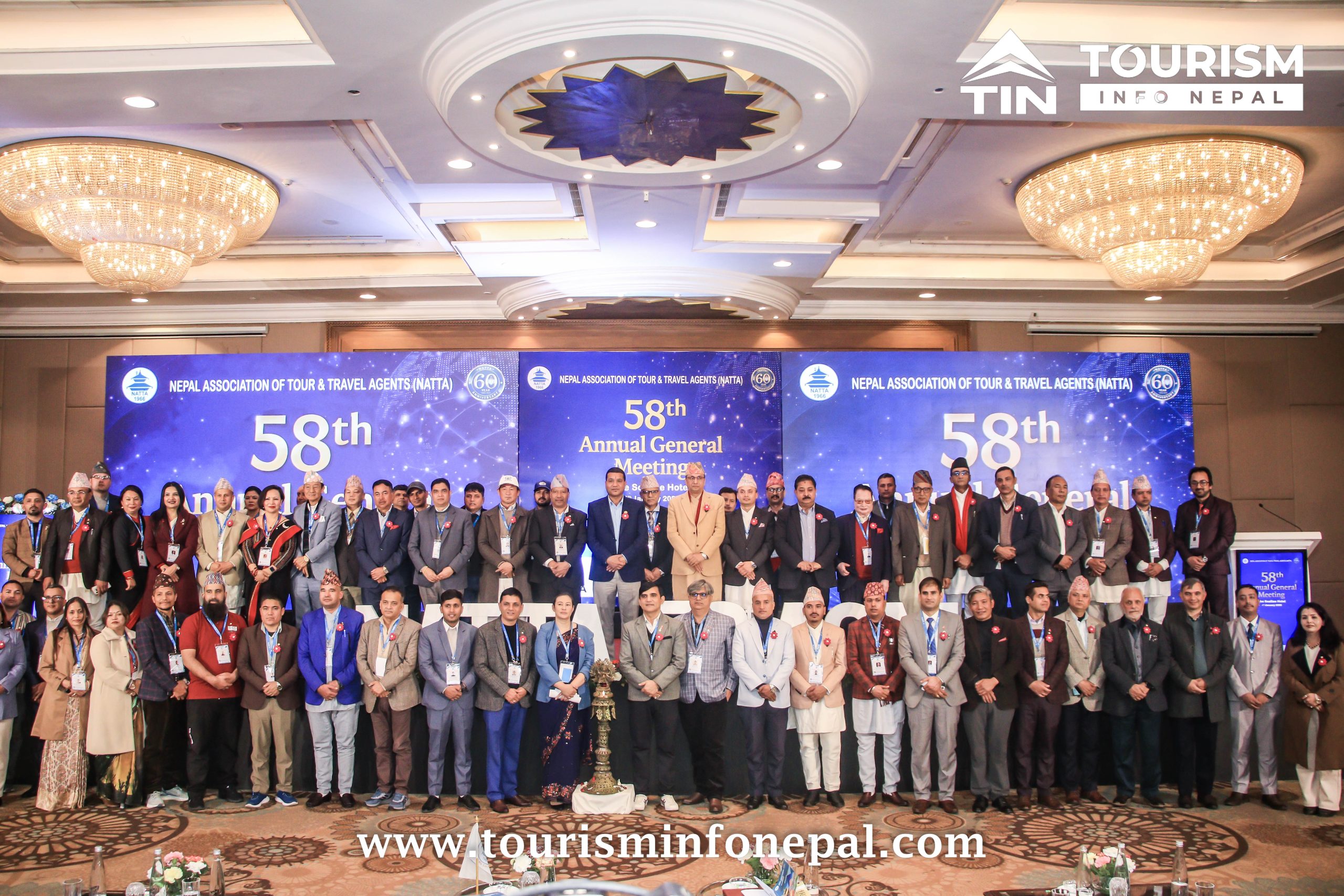
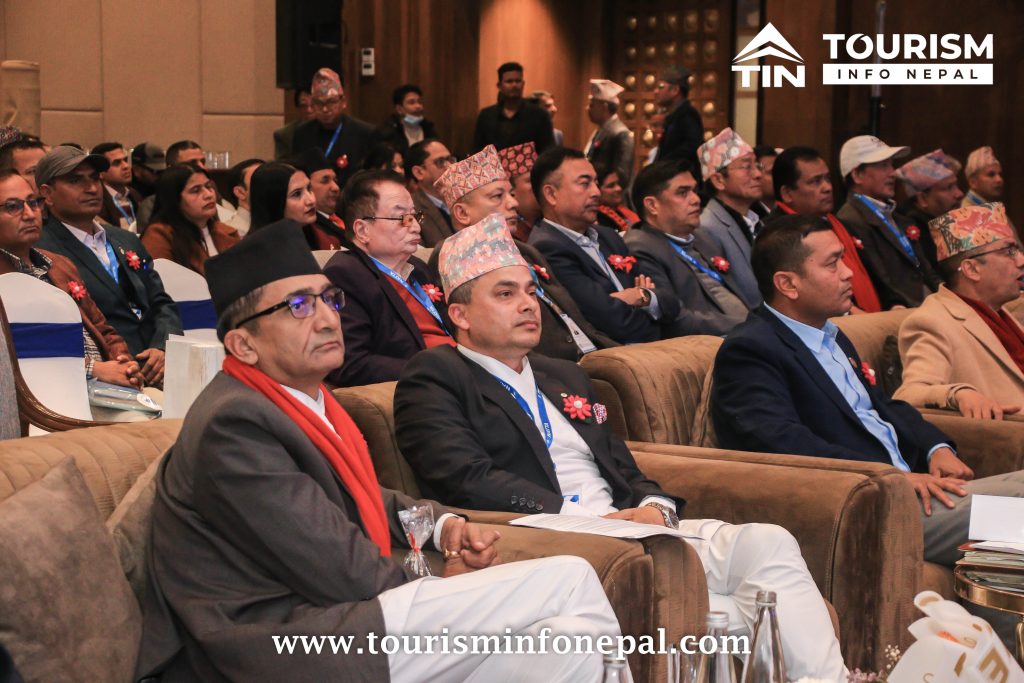
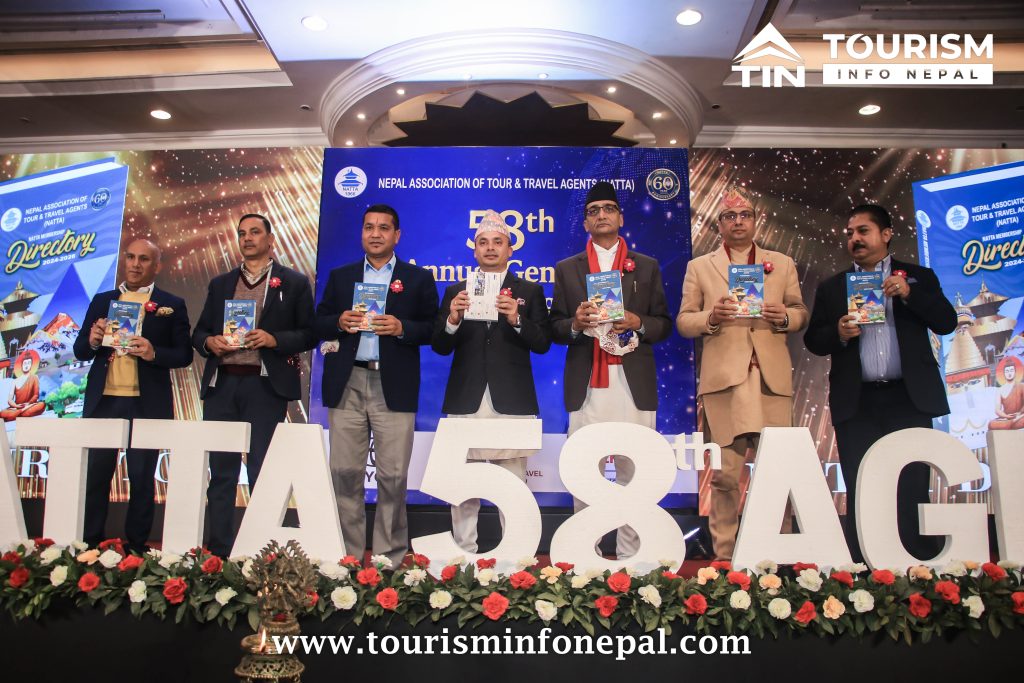
The Nepal Association of Tour and Travel Agents (NATTA) successfully conducted its 58th Annual General Meeting (AGM) at The Soaltee Kathmandu, marking a significant milestone in the history of Nepal’s tourism sector. The event brought together key stakeholders from across the country, including Bagmati Province’s Minister for Culture and Tourism, Mr. Suresh Shrestha, industry leaders, and international representatives. NATTA President Mr. Kumar Mani Thapaliya shared his vision for the future of tourism in Nepal, highlighting challenges, opportunities, and strategic pathways to promote the industry’s growth.

Tourism: A Pillar of Nepal’s Economy
Addressing the gathering, Minister Suresh Shrestha emphasized that tourism is the backbone of Nepal’s economic development. “Unless the tourism sector flourishes, national prosperity is not possible,” he remarked.
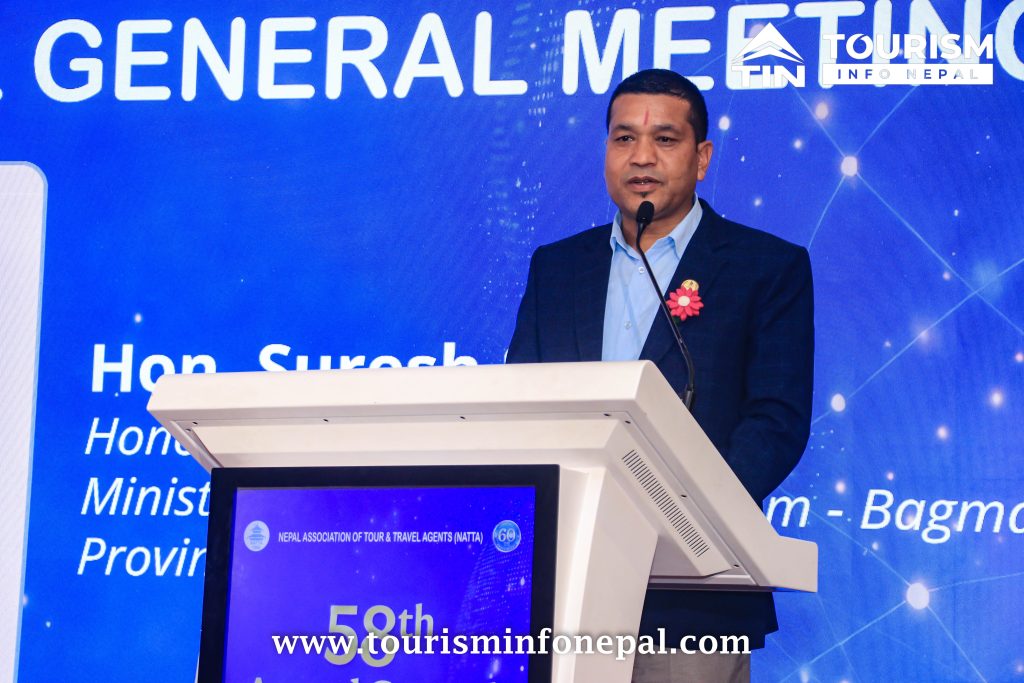
Highlighting the vast tourism potential across all 13 districts of Bagmati Province, the minister assured that the provincial government is ready to collaborate with the private sector to resolve challenges and create a conducive environment for business. He acknowledged the sensitivity of the sector due to legal frameworks and political activities and committed to facilitating entrepreneurs during difficult times.
NATTA’s Historical Role in Nepal’s Tourism
Reflecting on Nepal’s tourism journey, NATTA President Mr. Kumar Mani Thapaliya recalled the nation’s rise in international tourism following the successful ascent of Mount Everest in 1953. He noted that by the 1960s, tourism began to gain momentum, with the establishment of The Soaltee and Annapurna Hotels in 1965 marking the start of organized travel services. NATTA was subsequently formed in 1966 and has played a continuous role in promoting Nepal’s tourism, expanding aviation networks, and safeguarding the interests of tour operators and travel agents.
Celebrating over 60 years of service, NATTA’s 58th AGM provided an opportunity to review past achievements and outline strategies for sustainable tourism growth. Mr. Thapaliya extended a warm welcome to all participants and conveyed heartfelt New Year greetings for 2026.
Addressing Sectoral Challenges
During his address, Mr. Thapaliya underscored NATTA’s leadership in navigating industry challenges. From the impact of VAT on airline tickets to mitigating losses during natural disasters, civil unrest, and the COVID-19 pandemic, NATTA has consistently advocated for and protected the tourism sector. The organization has also actively addressed challenges related to Kailash Mansarovar tours, ensuring that operators and stakeholders continue to thrive despite adversities.
He highlighted NATTA’s role in cross-sectoral collaboration with organizations such as TAAN on TIMS matters, NMA on mountain tourism, and HAN on hotel occupancy, which have collectively strengthened the industry’s capacity to respond to challenges.
International Recognition and Strategic Partnerships
Under the current leadership, NATTA has expanded its international presence, participating in tourism promotion programs in Myanmar, China, Spain, Bhutan, India, and Bangladesh. Notably, NATTA showcased the Annapurna region and Koshi Province’s Mundhum Trail at the International Mountain Tourism Alliance (IMTA) conference, receiving international recognition and awards. Partnerships with global organizations are seen as critical for increasing tourist arrivals and enhancing Nepal’s global tourism brand.
Enhancing Connectivity and Affordability
Mr. Thapaliya stressed that accessibility is vital for tourism growth. He compared Nepal with countries like Vietnam, Cambodia, Sri Lanka, and select European nations, noting that while Nepal possesses unmatched natural and cultural diversity, it remains a “hard-to-reach” destination. He urged policymakers to improve air connectivity, reduce ticket costs, and simplify travel procedures to make Nepal a more accessible and attractive destination for international travelers.
Supporting this, industry representatives such as Nepal Tourism Board Vice-Chairman Ram Prasad Sapkota and FNCCI Vice-President Anjan Shrestha highlighted challenges, including high VAT on airline tickets and incomplete operations at Pokhara and Bhairahawa airports, which limit investment returns and threaten private sector growth. They urged government intervention to facilitate sustainable tourism and ensure the legal recognition and protection of the tourism industry as a formal economic sector.
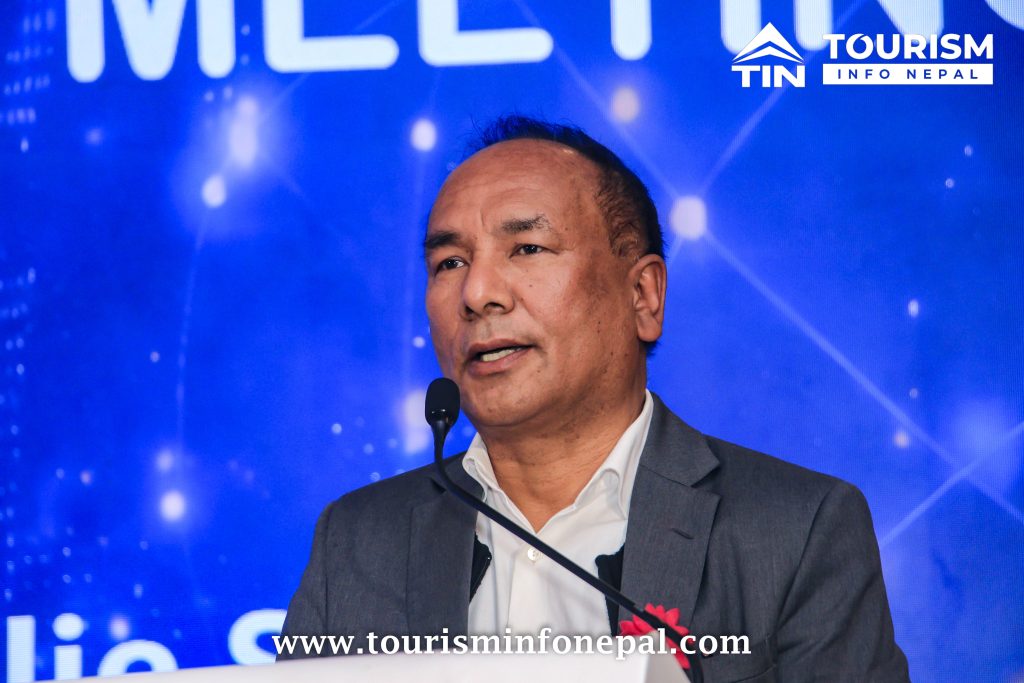
Similarly, Phur Gelje Sherpa, President of the Nepal Mountaineering Association, highlighted shortcomings in tourism promotion and urged Nepali ambassadors stationed abroad to take a more active and responsible role in promoting the country’s tourism. He emphasized the need to identify new areas for tourism development and shared that the association is preparing to establish a Mountaineering and Adventure Tourism University to further strengthen education, research, and professional training in the sector.
Sustainable Tourism and Governance
Mr. Thapaliya emphasized the three pillars of sustainable tourism identified by the UN World Tourism Organization: accessibility (air, road, and connectivity), facilitation (services, hotels, and infrastructure), and sustainability (community participation, cultural preservation, and environmental protection). He called for adherence to these principles to ensure long-term growth and resilience in Nepal’s tourism sector.

He also underscored the importance of good governance, discipline, and responsibility in tourism management, expressing hope that improved governance would allow citizens to live fearlessly, investors to operate confidently, and entrepreneurs to grow sustainably. He concluded by stressing infrastructure development, youth-friendly policies, and visionary leadership as essential ingredients for the country’s tourism prosperity.