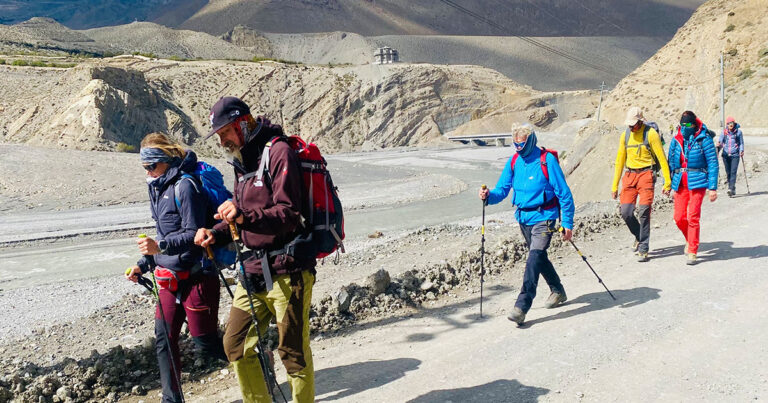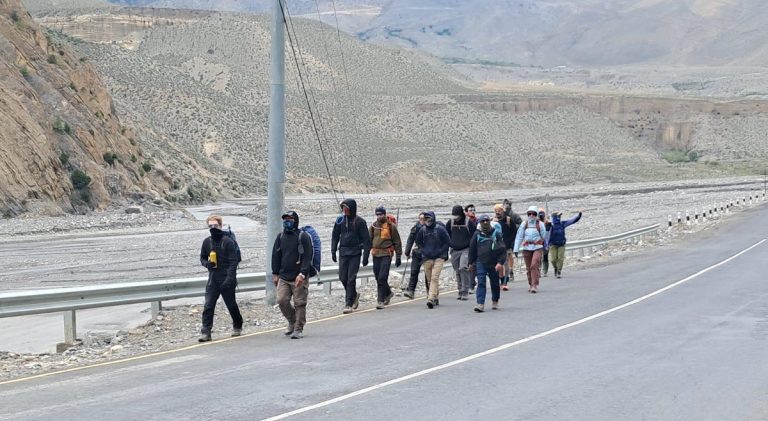
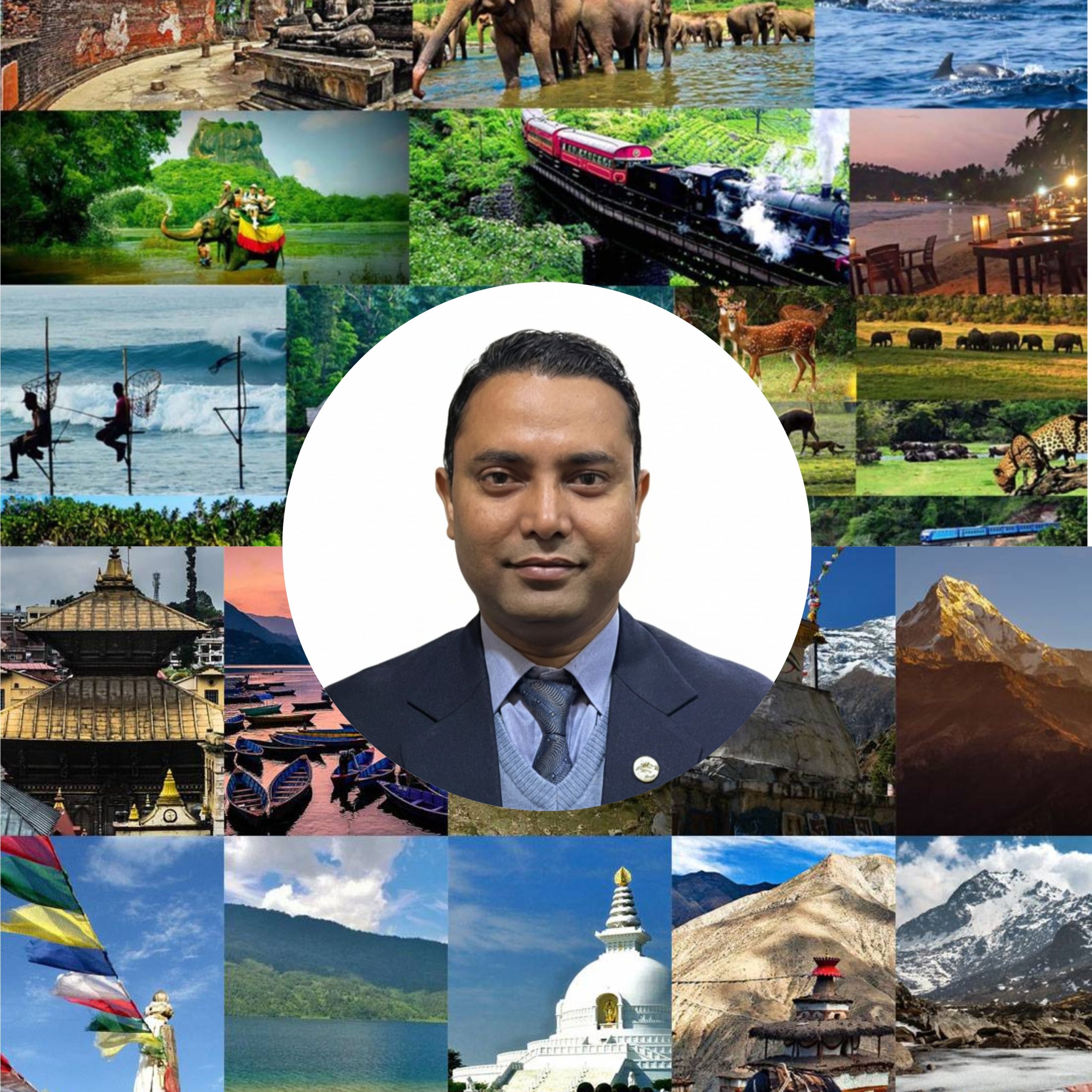
South Asia’s tourism story is shaped by two countries that approach travel from very different starting points. Nepal, rising northward into the Himalayas, draws visitors through scale, silence, and a sense of spiritual discovery, offering journeys defined by mountains, monasteries, and meaningful challenge. Sri Lanka, set along the Indian Ocean, welcomes travelers through accessibility, comfort, and variety, where beaches, heritage cities, wildlife, and wellness experiences unfold within short distances. For today’s traveler, these destinations reflect two complementary approaches to tourism: one captures imagination through iconic experiences, while the other converts demand into value through connectivity, planning, and efficient destination management.
As we move through 2026, a look back at the 2025 performance of these two nations reveals a fascinating story of resilience and the different paths they have taken to reach their respective heights.
Tourism Potential and the Seasonal Dance
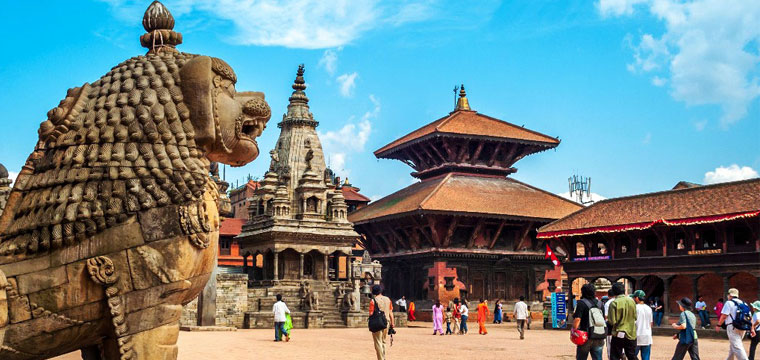
Nepal and Sri Lanka both boast world-class heritage, nature, and adventure, but their operational rhythms are governed by radically different climates. Nepal’s tourism is a game of visibility; the industry peaks in October and November when the post-monsoon skies offer crystal-clear views of the Himalayas. A secondary peak occurs in March and April, driven by the elite mountaineers of the spring expedition season. Conversely, the summer months (June–July) remain the deepest off-peak period as the monsoon obscures the mountains and challenges trekking logistics.
Sri Lanka, meanwhile, benefits from a dual-monsoon system that ensures one side of the island is almost always in “dry season.” This allows for a more smoothed-out tourism flow, though its primary peak aligns with the Northern Hemisphere’s winter (December–January), when travelers seek tropical escapes. While Nepal is evolving into a culinary and spiritual hub with Patan recently recognized as a global dining destination for 2026, Sri Lanka is aggressively positioning itself as a luxury wellness and MICE (Meetings, Incentives, Conferences, and Exhibitions) capital, even launching South Asia’s largest casino to attract high-spending urban tourists.
The 2025 Statistical Audit: A Tale of Two Recoveries
In terms of volume, 2025 was a historic “rebound year” for both nations, but with varying degrees of momentum.
- Nepal: Welcomed 1,158,459 international visitors, achieving a 96.8% recovery compared to pre-pandemic 2019 levels.Despite crossing the psychological one-million mark, growth was a modest 0.95% over 2024, partially hampered by mid-year socio-political disruptions.
- Sri Lanka: Surpassed all historical records with 2,362,521 arrivals, a significant 15.1% increase over 2024. This performance exceeded its previous 2018 peak by 1.2%, signaling a technical full recovery despite facing environmental challenges like cyclonic storms late in the year.
The source markets for both countries remain anchored by India, but their global reach differs:
| Rank | Nepal’s Top 5 Markets (2025) | Sri Lanka’s Top 5 Markets (2025) |
| 1 | India (292,438) | India (531,511) |
| 2 | U.S.A. (112,316) | United Kingdom (212,277) |
| 3 | China (95,480) | Russian Federation (186,580) |
| 4 | United Kingdom (58,684) | Germany (147,966) |
| 5 | Bangladesh (57,545) | China (132,035) |
The Connectivity Gap: Aviation and Infrastructure
The most visible contrast lies in the “engine” of tourism: aviation. Nepal currently operates three international gateways: Kathmandu (TIA), Gautam Buddha (GBIA) in Bhairahawa, and Pokhara International Airport. However, the latter two regional airports remain critically underutilized, often seeing near-zero regular international traffic due to high airfares and a lack of qualified technical workforces.
Sri Lanka’s aviation sector, centered on Bandaranaike International Airport (BIA), handled over 8.88 million passenger movements in 2024. Supported by a robust national carrier and a highly regulated flight scheduling system, Sri Lanka is already planning a third terminal at BIA to accommodate a target of more than 5 million visitors by 2030.
Strategic Recommendations: How Nepal Can Lead
As someone who watches the tourism heartbeat of both nations, I believe Nepal possesses “adventure equity” that no island can match. However, to translate this natural advantage into economic prosperity, Nepal must adopt a more professional, “engine-first” approach.
- Embrace Statistical Transparency: Sri Lanka’s success is partly due to the SLTDA’s practice of publishing weekly and daily arrival reports. Nepal must move away from delayed data publishing. Real-time transparency allows our private sector to make precise decisions on staffing, inventory, and marketing.
- Digital Service Integration: We must finalize the digitization of visas, drone permits, and site entry fees.Reducing friction for the traveler is just as important as the destination itself.
- Incentivize Regional Airports: The “National Pride” projects in Bhairahawa and Pokhara will only succeed if the government provides aggressive tax and fuel incentives to international budget carriers, particularly from the ASEAN region.
- Target High-Value Yield: While Sri Lanka is pivoting to a $160 daily spend target for 2026, Nepal remains a budget-friendly destination with a daily spend of roughly $41. We should leverage our recent culinary and wellness recognition to attract “experience seekers” who stay longer and spend more.
Conclusion: A Shared Future
Nepal and Sri Lanka are not just competitors; they are benchmarks for each other. While Sri Lanka leads in administrative efficiency and scale, Nepal remains the regional leader in niche branding and spiritual diplomacy. By modernizing its digital infrastructure and activating its regional gateways, Nepal can ensure that its majestic peaks are matched by an equally majestic and efficient tourism economy. The voyage toward 2030 is not about who has the better scenery, but about who can provide the most seamless and enriching experience for the global traveler.
Article By: Jayshakti Sarraf
Senior Officer
Nepal Tourism Board