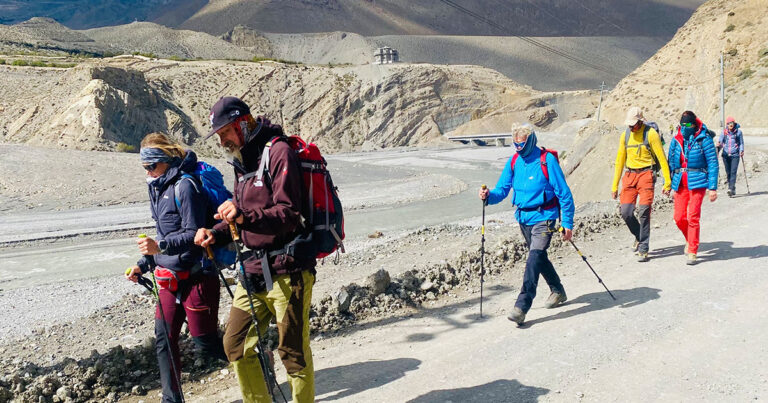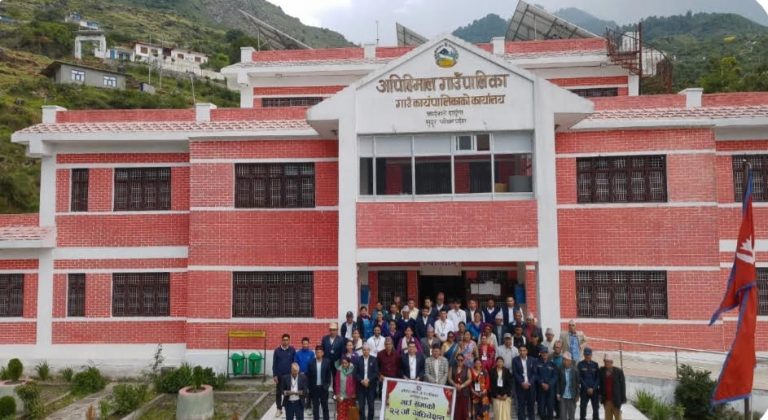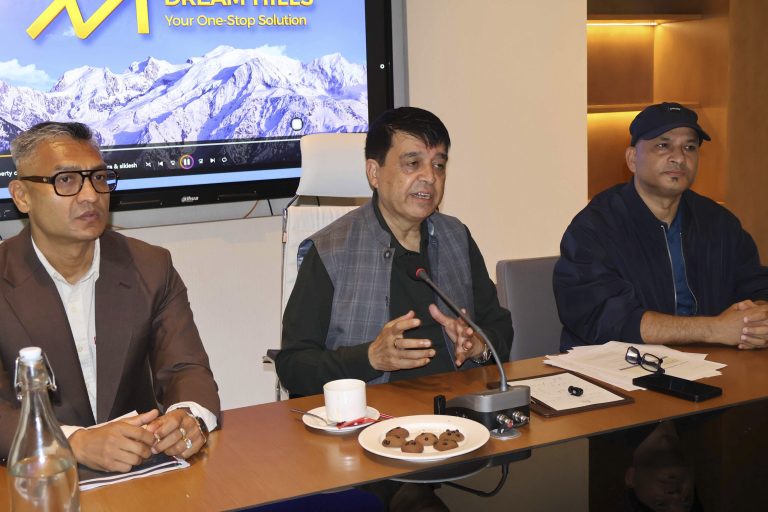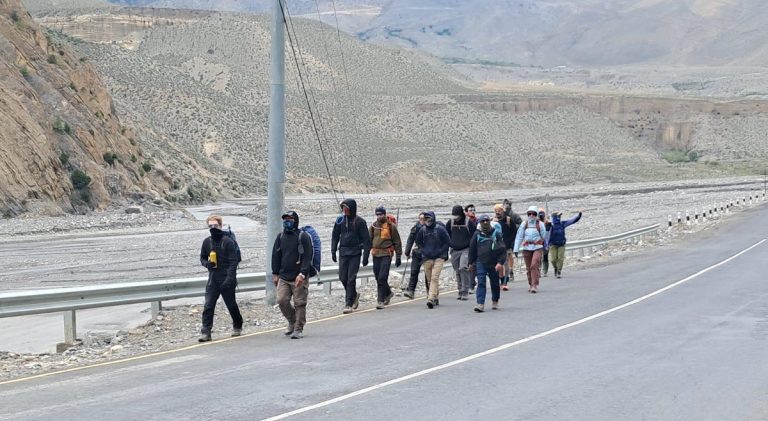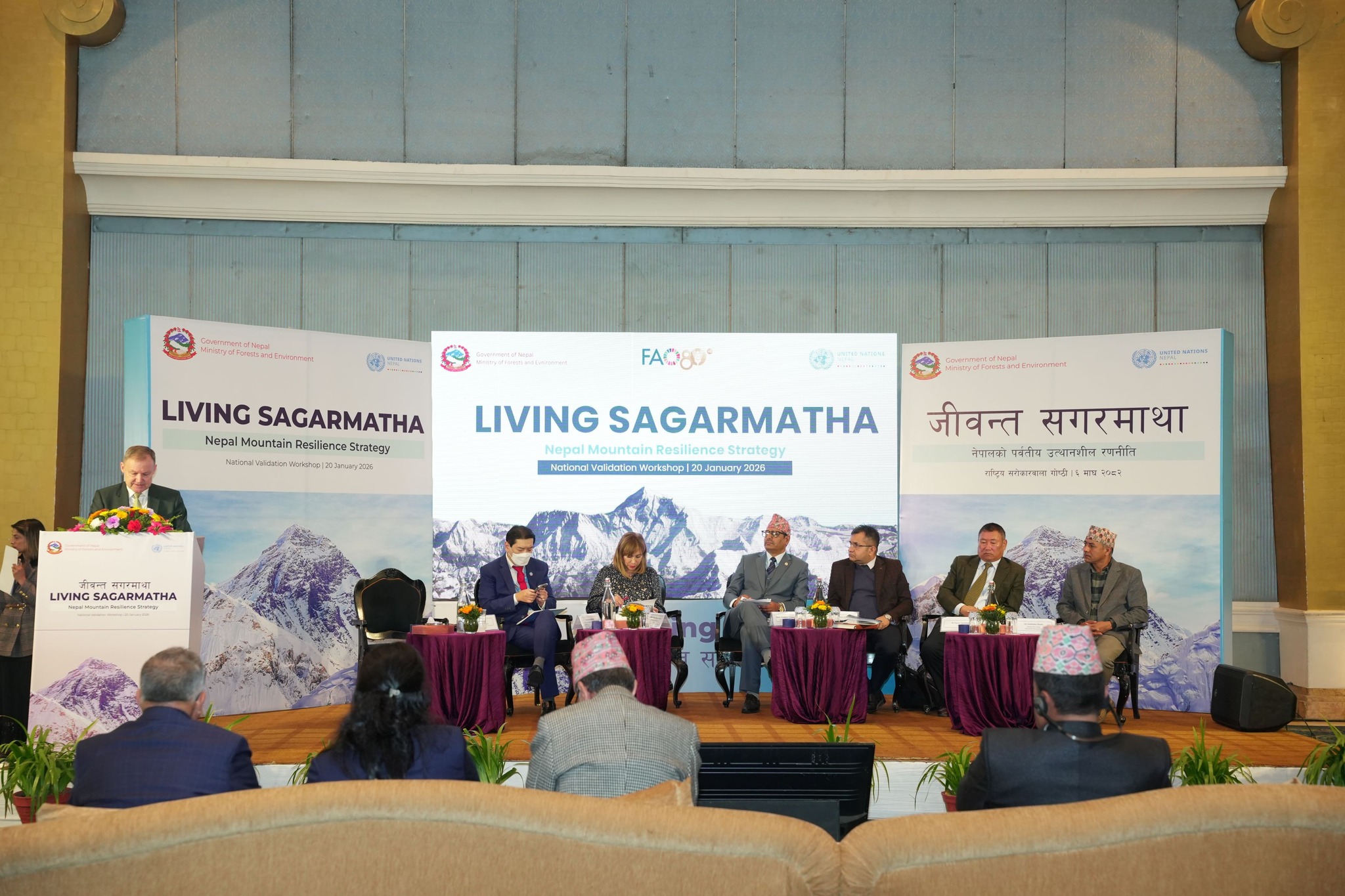
Nepal on Tuesday took a significant step towards strengthening climate resilience in the Himalayas with the conclusion of the National Validation Workshop of “Living Sagarmatha: Nepal Mountain Resilience Strategy” in Kathmandu. The workshop marked the formal unveiling of the country’s first comprehensive Mountain Resilience Strategy, underscoring Nepal’s commitment to a unified, long-term approach to climate adaptation in its mountainous regions.
The event was led by the Ministry of Forests and Environment, with coordination support from the UN Resident Coordinator’s Office and technical assistance from FAO and UNEP. The workshop brought together senior government officials, diplomatic missions, UN agencies, development partners, civil society representatives, technical institutions, and community leaders, reflecting a collaborative, multi-stakeholder approach to mountain resilience planning.

Launch of Living Sagarmatha
During the workshop, Minister for Forests and Environment Madhav Prasad Chaulagain officially released the book “Living Sagarmatha: Nepal’s Mountain Uplift Strategy” and formally unveiled the Nepal Mountain Resilience Strategy. The strategy represents a shift away from fragmented, sector-based interventions toward a nationally aligned, holistic vision for the sustainable management of Nepal’s mountains over the next decade.
The framework focuses on mitigating climate change impacts, conserving mountain biodiversity, ensuring sustainable forest management, protecting water resources, and safeguarding livelihoods of mountain communities. It also emphasizes economic opportunities through initiatives such as mountain agriculture, medicinal herb production, tourism promotion, renewable energy, agroforestry, and local product value-chain development, aiming to integrate economic development with environmental sustainability.
A Timely Strategy for Climate Adaptation
Speaking at the workshop, FAO Representative for Bhutan and Nepal, Ken Shimizu, described the strategy as a timely and priority document for national planning and global mountain advocacy. He highlighted the urgency of directing climate finance toward mountain communities, which face reduced snowfall, environmental degradation, and increasing risks to livelihoods.

Mountains cover over 80 percent of Nepal’s territory and are vital for regional water security, biodiversity, food systems, energy generation, and climate regulation across South Asia. Despite this, mountain regions have historically been underrepresented in climate finance and adaptation planning. The Living Sagarmatha strategy aims to address this gap through 35 priority interventions, requiring an estimated USD 4.08 billion in investment.
The framework integrates climate adaptation, disaster risk reduction, ecosystem restoration, resilient livelihoods, and inclusive governance, aligning with Nepal’s commitments under the Paris Agreement, the Kunming-Montreal Global Biodiversity Framework, and the 2030 Agenda for Sustainable Development.
Regional and Global Significance
The UN Resident Coordinator in Nepal emphasized the broader regional relevance of the strategy, describing Sagarmatha (Mount Everest) as a shared asset for South Asia and beyond, and called for collective leadership and concrete action to safeguard mountain ecosystems.
Minister Chaulagain stressed that Living Sagarmatha reflects Nepal’s resolve to protect its mountains through strong coordination, clear timelines, and sustained investment. He described the strategy as a “living framework” designed to deliver tangible benefits to mountain communities while ensuring long-term environmental stewardship for future generations.

Technical Panel Highlights Water and Ecosystem Integration
The workshop also featured a technical panel discussion emphasizing the central role of water systems, which link ecosystems, communities, and economies across Nepal. Panelists highlighted the importance of integrated resource management and long-term improvements in water governance, forestry, and biodiversity conservation to strengthen overall mountain resilience.
Towards Implementation and Global Leadership
The National Validation Workshop marks a critical step toward the formal endorsement and implementation of the Living Sagarmatha Strategy. With the strategy in place, Nepal positions itself as a global leader in mountain resilience, demonstrating how climate adaptation, community empowerment, and environmental stewardship can be effectively combined to respond to accelerating climate risks in high-altitude regions.
The strategy is expected to guide future climate adaptation efforts, sustainable development initiatives, and regional collaboration, ensuring that Nepal’s mountains remain resilient, productive, and protected for generations to come.