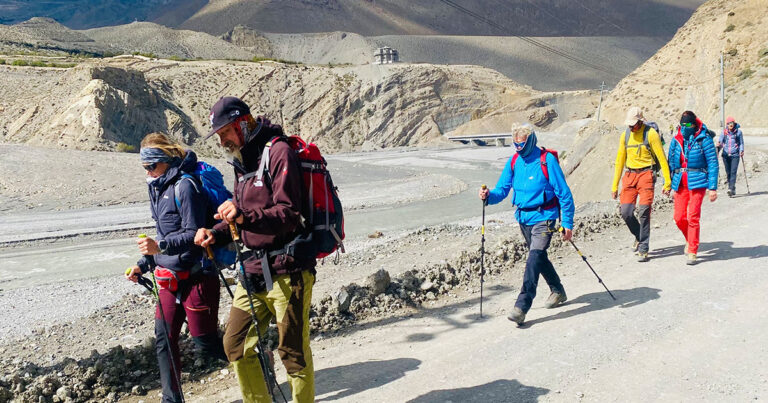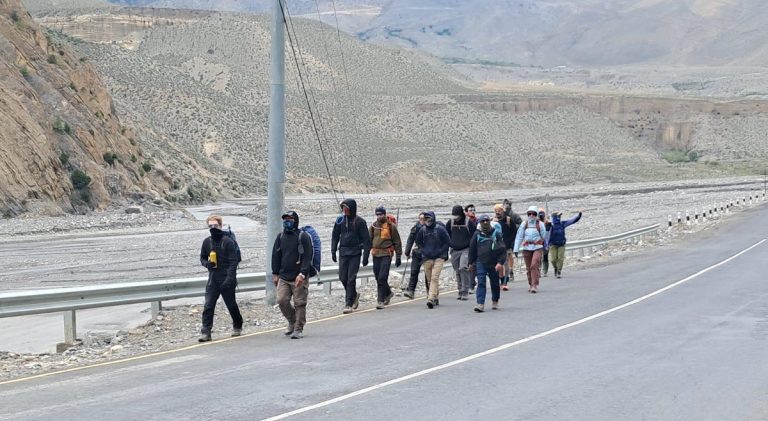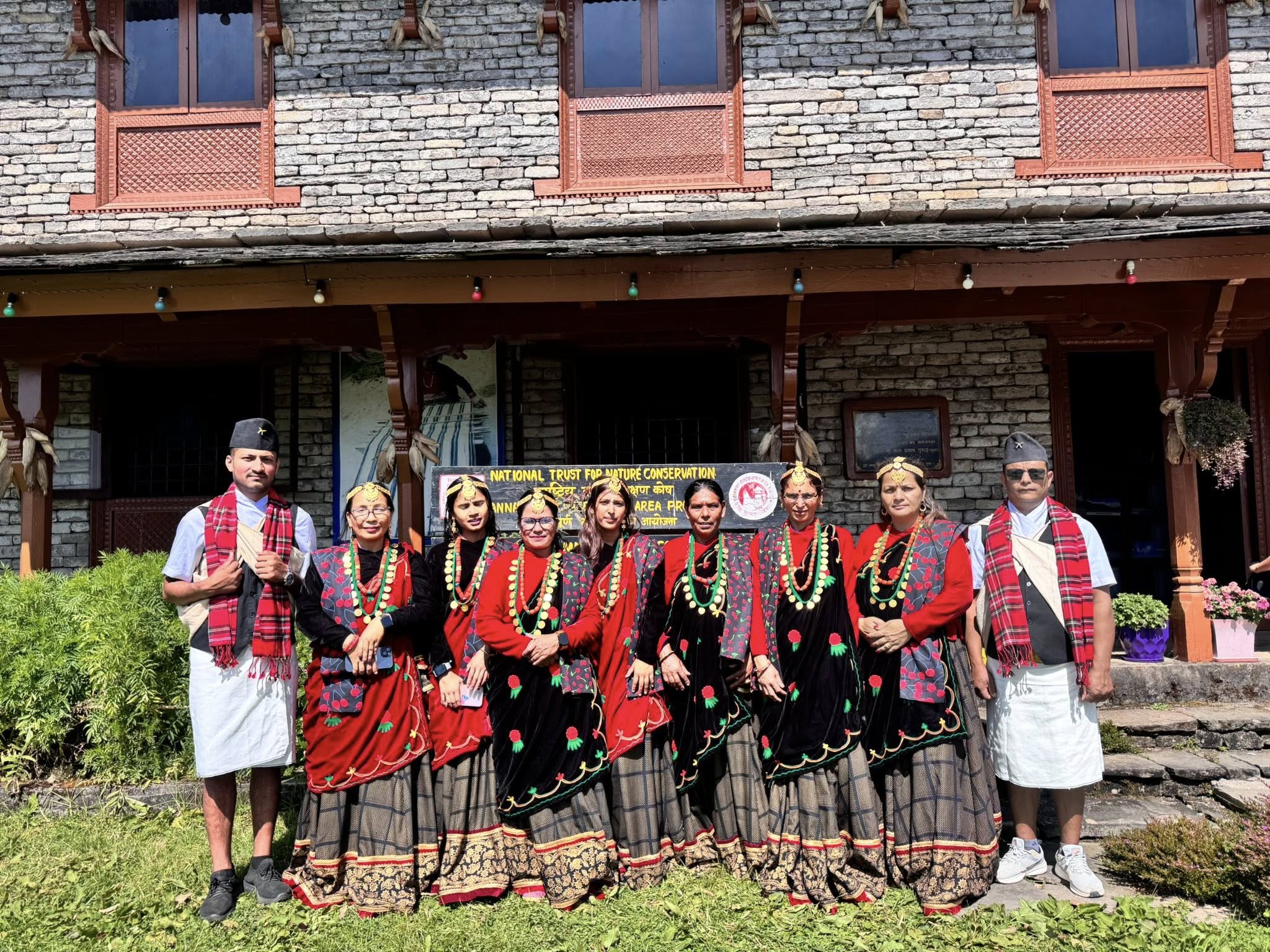
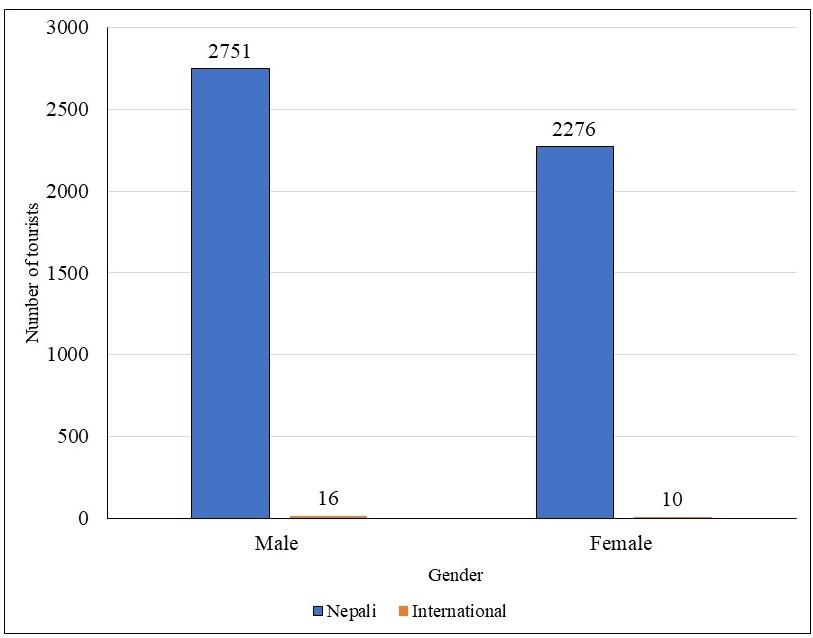
The scenic Gurung village of Sikles recorded a total of 5,053 tourist arrivals in January 2026, reflecting its growing appeal as a cultural and nature-based destination in western Nepal. According to records maintained by NTNC–ACAP Sikles, the visitors included 5,027 domestic tourists and 26 international travelers during the month.
Among the total visitors, 2,767 were male, and 2,286 were female, indicating a balanced interest among travelers and highlighting Sikles’ inclusiveness as a destination suitable for diverse groups of visitors.

Systematic Visitor Record-Keeping Introduced
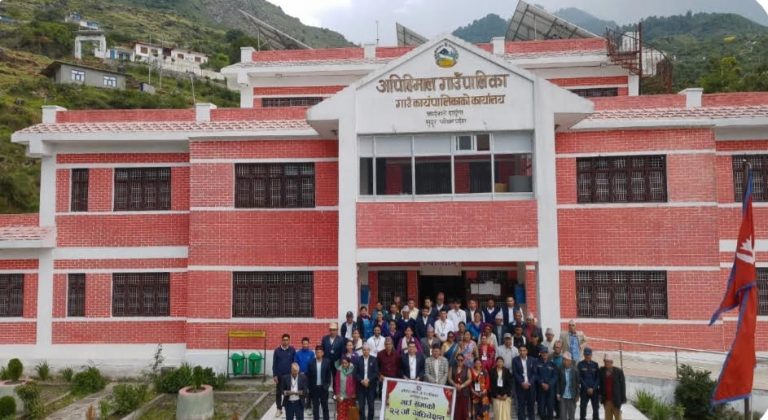
Since January 2026, NTNC–Annapurna Conservation Area Project (ACAP) Sikles has officially begun maintaining systematic records of both domestic and international tourist arrivals. The initiative is expected to support better tourism planning, improve visitor management, and help assess the long-term impact of tourism on the local community and environment.
Officials stated that the data collection will play a vital role in designing sustainable tourism strategies while ensuring the conservation of Sikles’ natural and cultural assets.
Growing Appeal of a Gurung Heritage Village
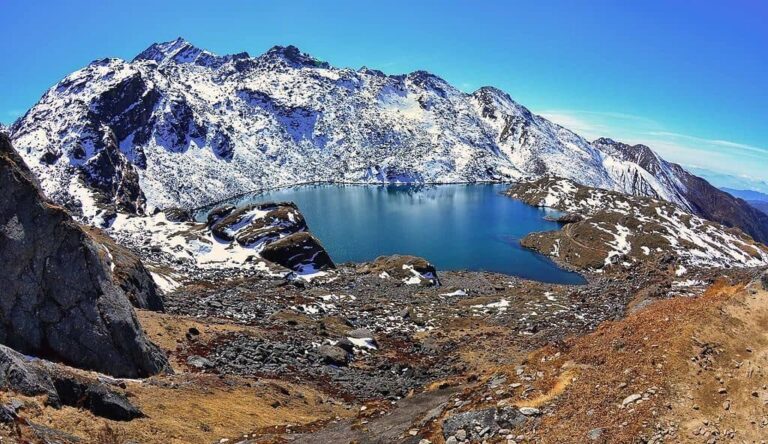
Located in the Annapurna region, Sikles is widely known for its well-preserved Gurung culture, traditional stone houses, and panoramic views of the Annapurna and Lamjung Himalayan ranges. The village has steadily emerged as a preferred destination for travelers seeking authentic cultural experiences combined with trekking and nature exploration.

The area offers biodiverse trails, lush forests, and scenic landscapes, making it attractive to hikers, photographers, and eco-tourists. Community-based homestays and cultural hospitality have further enhanced Sikles’ reputation as a welcoming destination.

Tourism and Community Development
Local stakeholders believe the rising number of visitors will contribute positively to community livelihoods, supporting homestays, guides, local food producers, and small businesses. At the same time, NTNC–ACAP has emphasized the importance of responsible tourism practices to minimize environmental impact and preserve the village’s unique identity.
With improved record-keeping and growing interest from travelers, Sikles is expected to see a steady rise in tourism in the coming months, strengthening its position as a model for sustainable, community-led tourism in Nepal.