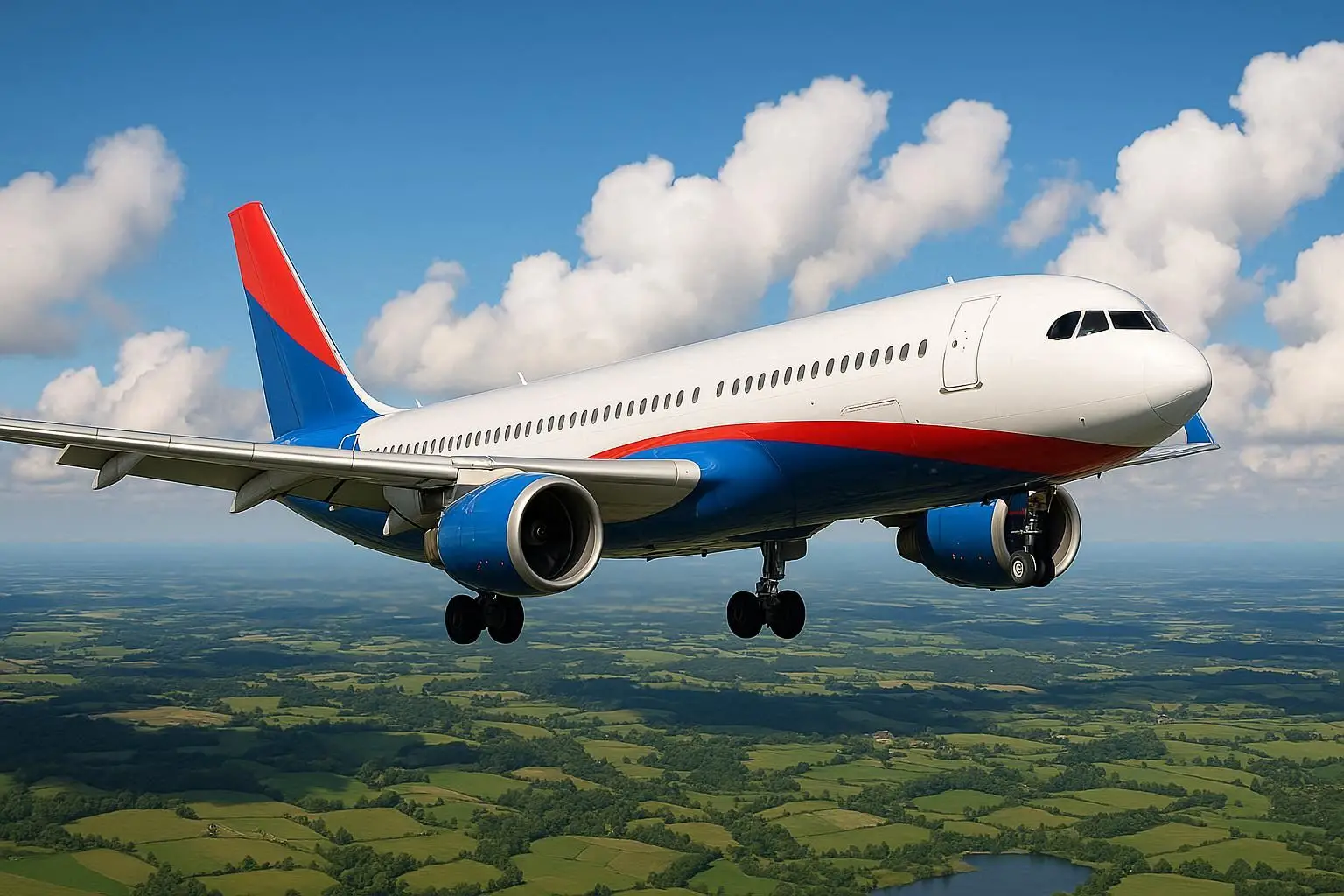
In early 2026, Emirates Airlines implemented a notable adjustment on its long-haul Dubai–Bali route, replacing its flagship Airbus A380 aircraft with Boeing 777s. The move has drawn attention from the global aviation industry due to Bali’s position as a major international tourism hub linking Southeast Asia, Europe, the Middle East, and beyond.
Emirates Scales Back A380 Operations
The Airbus A380, first deployed on the Dubai–Denpasar route in June 2023, marked a milestone for Indonesian aviation, offering high seating capacity, luxury onboard amenities, and premium cabins. Beginning January 2026, Emirates introduced Boeing 777 aircraft on the route, maintaining daily frequency but reducing seat capacity by approximately 25–35%.

Where the A380 accommodates between 480 and 615 passengers depending on configuration, the Boeing 777 assigned to the route carries roughly 350 passengers. While the schedule remains unchanged, travelers now face fewer seats per flight and reduced premium cabin availability.
Indonesian Aviation Officials Highlight Bilateral Negotiations
Officials from Indonesia’s Directorate General of Civil Aviation indicated that the aircraft adjustment aligns with broader aviation cooperation discussions between Indonesia and the UAE. The negotiations focus on:
- Increased participation of Emirates in maintenance, repair, and overhaul operations within Indonesia.
- Recruitment of Indonesian pilots and cabin crew by Emirates.
- Expansion of Emirates services to additional Indonesian cities beyond Jakarta and Bali.
Observers suggest that the A380 replacement reflects both market-driven capacity planning and regulatory considerations, rather than seasonal adjustments alone.
Seasonal Travel Patterns Also a Key Factor
Ngurah Rai International Airport authorities cited seasonal demand fluctuations as another explanation. Bali typically experiences peak tourism between June and September and during the December festive season, while the early months generally record lower visitor volumes. Airlines often downsize aircraft during off-peak periods to align capacity with booking demand, a standard network-planning practice.
Impact on Passengers and Ticket Availability
The change has practical implications for travelers. Faster sellouts are expected during peak travel weeks due to lower seat availability. Passengers seeking Emirates’ A380-specific experience, including First Class and Business Class cabins, must verify aircraft assignments before booking. Off-peak travelers may benefit from competitive pricing, while high-demand periods could see modest fare increases. Emirates replaces A380 with Boeing 777 on Dubai–Bali route, reducing seat capacity but keeping daily flights; change influenced by seasonal demand and Indonesia–UAE aviation talks.
Bali’s Aviation Growth and Infrastructure Expansion
Despite the downgrade, Bali’s long-term aviation outlook remains strong. In 2024, Bali’s airports handled approximately 24 million passengers, approaching pre-pandemic levels. Plans are underway to expand Ngurah Rai International Airport to 32 million passengers annually, with longer-term targets of up to 55 million passengers.
Additionally, the North Bali International Airport project aims to establish a dual-airport system, reducing congestion and enabling broader international connectivity. These developments reinforce Bali’s position as a regional aviation and tourism hub, alongside Singapore, Bangkok, and Kuala Lumpur.
Competitive Shifts and International Connectivity
While Emirates reduced aircraft size, competitors are expanding operations. Indonesia AirAsia plans to launch daily Melbourne–Denpasar flights from March 2026, starting at promotional fares of AUD 199. Australia remains Bali’s largest inbound tourism market, supporting year-round travel. The AirAsia expansion underscores resilient international connectivity, despite Emirates’ capacity adjustments.

Prospects for the Return of Emirates A380
Emirates has not ruled out reinstating the A380 on the Bali route during peak seasons, when passenger demand justifies higher capacity. Further progress in Indonesia–UAE aviation negotiations could also influence future aircraft deployment decisions.
In early 2026, Emirates replaced its Dubai–Bali Airbus A380 service with Boeing 777 aircraft, reducing per-flight capacity but maintaining daily connectivity. The change reflects a combination of market demand, seasonal factors, and regulatory discussions. Bali’s long-term aviation strategy, supported by airport expansions and new international routes, continues to position the island as a leading global tourism destination.