The Government of Nepal has introduced revised mountaineering royalty and insurance provisions, updating the financial and regulatory framework governing high-altitude expeditions. The new rules outline differentiated royalty rates based on climbers’ nationality, mountain height, climbing route, and season, while also making insurance coverage mandatory for all expedition personnel.
Revised Royalty Structure for Foreign Climbers
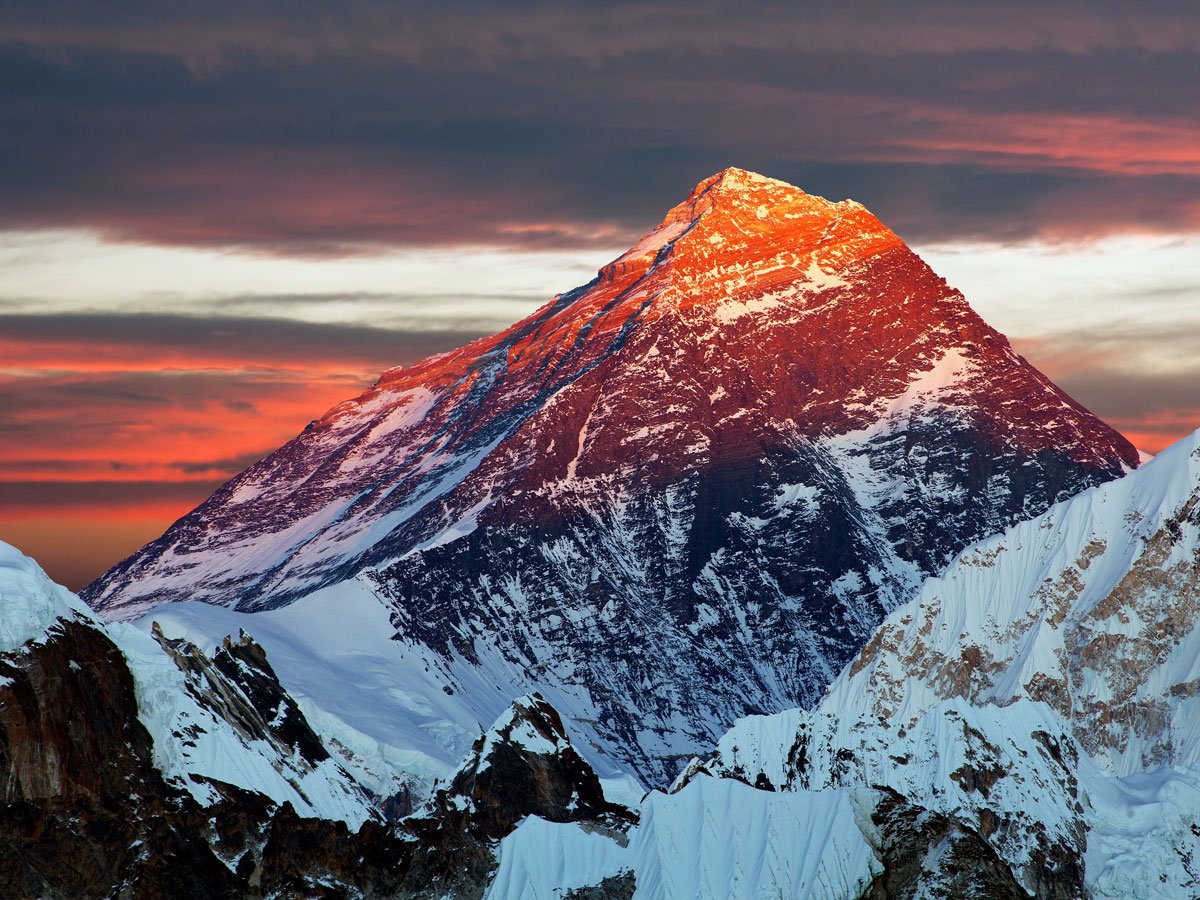
Under the updated provisions, mountaineering royalties are charged on a per-climber basis and vary by season and route. For foreign climbers attempting Mount Everest via the normal route, the royalty has been fixed at USD 15,000 during the spring season, USD 7,500 in autumn, and USD 3,750 in winter and summer.

For climbers using alternative routes on Everest, the fees have been set at USD 10,000 in spring, USD 5,000 in autumn, and USD 2,500 during winter and summer. Other mountains above 8,000 metres, excluding Everest and Manaslu, will carry a royalty of USD 3,000 in spring, USD 1,500 in autumn, and USD 750 in winter and summer.
Mount Manaslu (8,163 metres) has been assigned a distinct fee structure. The royalty for Manaslu is USD 1,500 in the spring season, USD 3,000 in autumn, and USD 1,500 during winter and summer. Officials said the seasonal differentiation reflects climbing demand and route conditions specific to the mountain.
Fees for Mid-Range and Lower Peaks
For peaks ranging between 7,501 metres and 7,999 metres, the royalty has been fixed at USD 1,000 for spring, USD 500 for autumn, and USD 250 for winter and summer. Mountains between 7,001 metres and 7,500 metres will cost USD 800 in spring, USD 400 in autumn, and USD 200 in winter and summer.
Climbers attempting peaks from 6,501 metres to 6,999 metres will pay USD 500 in spring, USD 250 in autumn, and USD 200 in winter and summer. Mount Ama Dablam (6,812 metres), one of Nepal’s most popular technical peaks, has been assigned a special rate of USD 1,000 for spring and autumn, and USD 500 for winter and summer.
For peaks below 6,500 metres, the royalty has been fixed at USD 350 for spring and USD 175 for autumn, winter, and summer seasons.
Royalty Rates for Nepali Climbers
The revised provisions also specify royalty rates for Nepali climbers. For Everest via the normal route, Nepali climbers will pay Rs 150,000 in spring, Rs 75,000 in autumn, and Rs 37,500 in winter and summer. Climbs through alternative routes on Everest will cost Rs 100,000 in spring, Rs 50,000 in autumn, and Rs 25,000 in winter and summer.
Royalty fees for Nepali climbers on other peaks have been adjusted proportionately, with lower rates applied to mountains below 8,000 metres to encourage domestic participation in mountaineering.
Defined Climbing Seasons
The government has formally defined four climbing seasons: spring (March to May), summer (June to August), autumn (September to November), and winter (December to February). Seasonal categorisation plays a key role in determining royalty fees and operational requirements.
Mandatory Insurance for Expedition Personnel
In addition to revising royalty rates, the government has strengthened insurance requirements for all mountaineering expeditions. Compulsory accident and medical insurance must now be arranged through insurance companies recognised by the Government of Nepal.
Minimum accident insurance coverage has been set at Rs 2 million for mountain guides and high-altitude workers, Rs 1.5 million for liaison officers and base camp workers, and Rs 500,000 for local support staff. Expedition teams are also required to provide medical insurance to cover minor injuries for all personnel, including the Sardar.

Enhancing Safety and Regulation
Officials said the revised royalty and insurance framework is aimed at improving regulation of Nepal’s mountaineering sector while ensuring greater safety and welfare for climbers and support staff. The new provisions are expected to enhance accountability, promote safer expeditions, and align Nepal’s mountaineering practices with international standards.
Nepal, home to eight of the world’s fourteen highest peaks, remains one of the most sought-after destinations for high-altitude climbers. Authorities believe the updated rules will help balance tourism growth with safety, sustainability, and the protection of those working in extreme mountain environments.