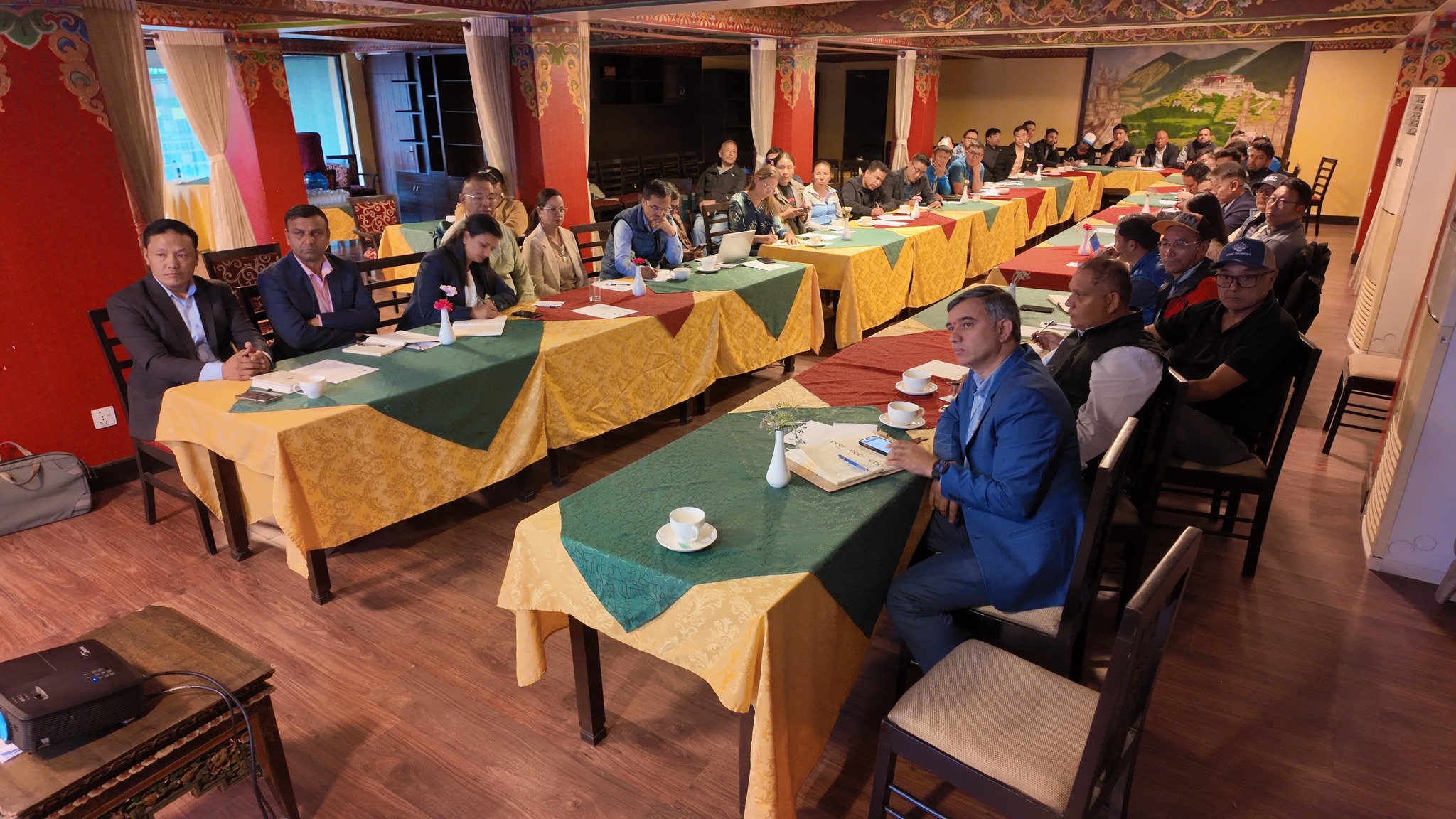
Waste management in the Everest region took center stage as key stakeholders gathered for a multi-stakeholder consultation workshop aimed at strengthening regulations and improving waste handling practices for trekkers and mountaineering expeditions on Mount Everest. The Sagarmatha Pollution Control Committee (SPCC), in collaboration with Khumbu Pasang Lhamu Rural Municipality (KPLRM) and with support from WWF Nepal, Thomas L. Kempner, Jr. Foundation Inc., and Clean Everest 360°, successfully organized a multi-stakeholder consultation workshop aimed at strengthening waste management regulations in the Everest region.
The workshop, titled “Towards a Cleaner Everest: Multi-Stakeholder Consultation on Strengthening Waste Management Regulations for Trekkers and Expeditions,” was conducted under the Sustainable Waste Management for Clean Himalaya (Swachhya Sagarmatha Project). The initiative seeks to improve environmental protection measures in the Everest region, particularly focusing on the growing challenges related to waste generated by climbers and trekkers.

Dialogue on Wastage Management Challenges
The consultation brought together representatives from key government bodies, tourism organizations, expedition operators, climbers, and conservation stakeholders to facilitate structured dialogue on improving waste management practices in the Everest region.
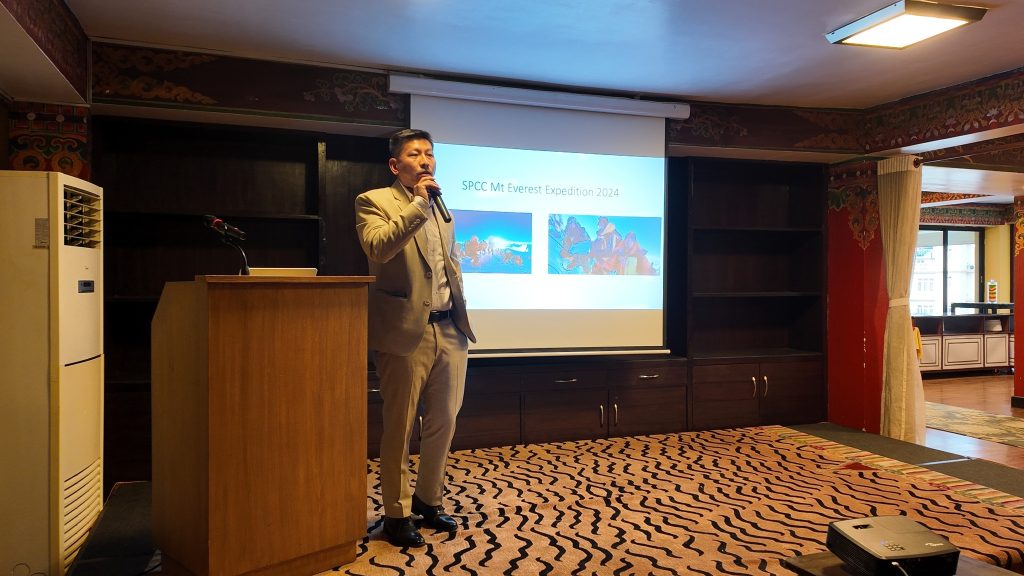
Participants discussed existing legal provisions, institutional responsibilities, enforcement mechanisms, and compliance challenges related to waste management. Special attention was given to the management of wastages in higher altitude camps, particularly above Camp II on Mount Everest, where collecting and transporting waste has historically been difficult due to harsh weather conditions and logistical limitations.
Stakeholders emphasized the need for stronger coordination among responsible authorities and clearer guidelines to ensure that both trekking groups and mountaineering expeditions comply with waste management regulations. The consultation aimed to identify practical solutions that could be implemented ahead of the Spring 2026 climbing season, one of the busiest periods for mountaineering activities in the region.
Focus on Sustainable Everest Tourism
With the number of climbers and trekkers visiting Everest increasing each year, environmental concerns related to waste accumulation have become a major issue for conservation authorities. Items such as discarded oxygen cylinders, food packaging, plastic materials, and climbing gear have contributed to pollution in high-altitude areas.
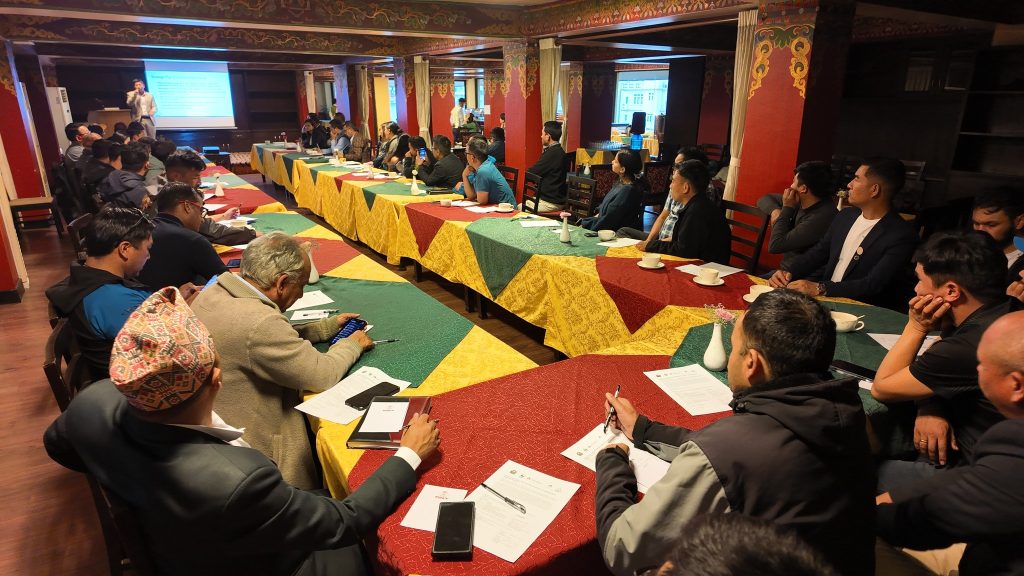
Through the Swachhya Sagarmatha Project, SPCC and its partners are working to promote sustainable tourism practices and strengthen systems for waste collection, segregation, and safe disposal. The project also focuses on raising awareness among climbers, expedition operators, and trekking companies about responsible waste management. Participants at the workshop stressed that effective management is critical not only for protecting the fragile Himalayan ecosystem but also for maintaining Nepal’s reputation as a premier destination for high-altitude mountaineering and adventure tourism.
Collaboration Among Key Stakeholders
The consultation saw active participation from representatives of several prominent institutions and tourism organizations, including the Department of Tourism Nepal, Nepal Mountaineering Association (NMA), Trekking Agencies’ Association of Nepal (TAAN), Expedition Operators’ Association (EOA), and Sagarmatha National Park (SNP).
Expedition operators, renowned climbers, conservation experts, and media representatives also participated in the discussions, sharing insights and recommendations to strengthen regulatory frameworks and improve compliance on the mountain.
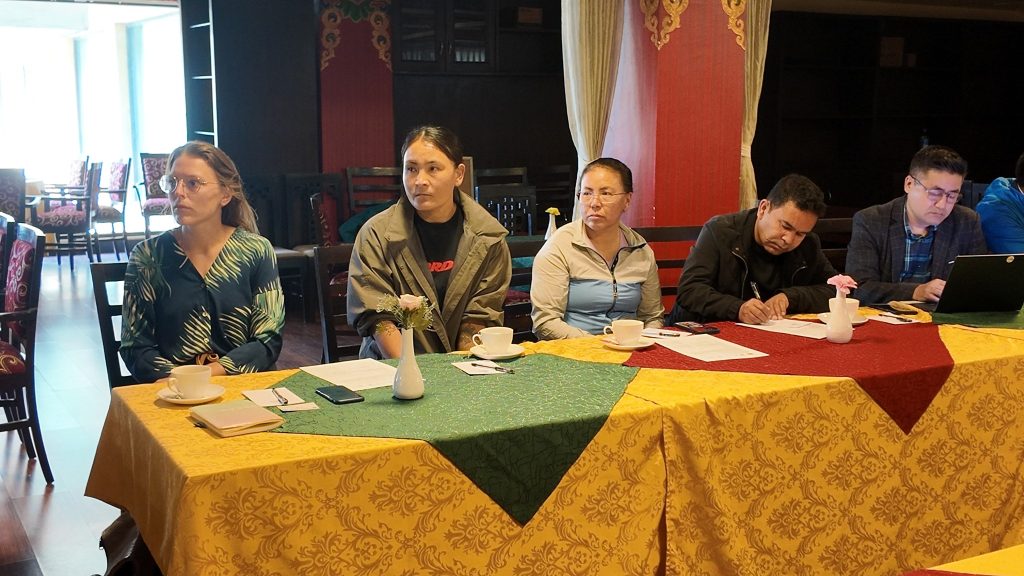
SPCC expressed sincere appreciation to all participating stakeholders for their valuable contributions, noting that their input would play an important role in shaping improved waste management guidelines and enforcement mechanisms for the Everest region.

Commitment to a Cleaner Everest
Organizers highlighted that protecting the Everest ecosystem requires collective responsibility from climbers, trekking companies, local communities, and government authorities. By bringing together multiple stakeholders, the consultation aimed to foster cooperation and develop practical strategies to ensure cleaner and safer mountaineering practices.
SPCC officials noted that stronger regulations, combined with effective monitoring and collaboration among stakeholders, will help address the growing environmental pressures on Everest. The workshop concluded with a shared commitment among participating organizations to work together toward sustainable waste management and environmental conservation in the Everest region, ensuring that the world’s highest mountain remains clean and protected for future generations of climbers and visitors.