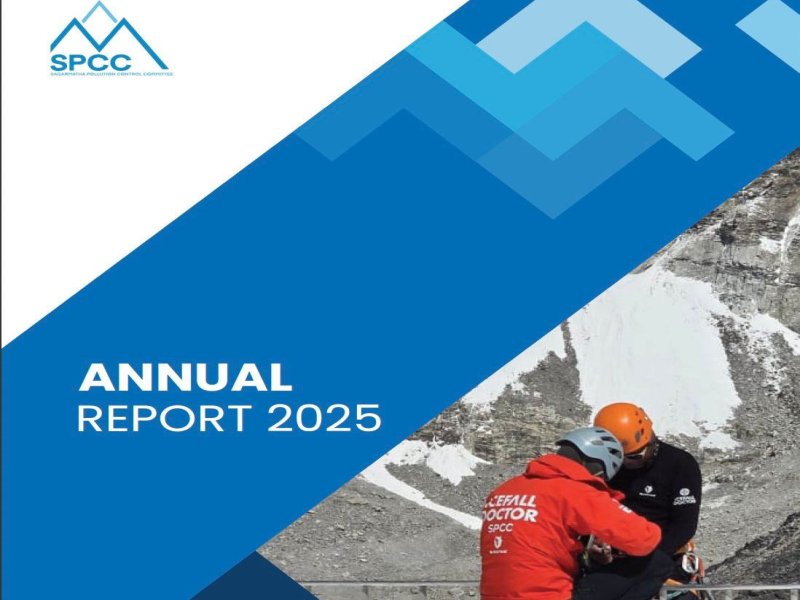
The Sagarmatha Pollution Control Committee (SPCC) has released its Annual Report 2025, outlining its ongoing efforts to manage waste, promote environmental awareness, and ensure sustainable tourism in the Everest region.
The report presents a comprehensive overview of activities carried out across the Khumbu region, where increasing tourist and expedition activities around Mount Everest have significantly raised environmental concerns. SPCC’s work continues to focus on balancing tourism growth with ecological preservation.

Growing Focus on Waste Management
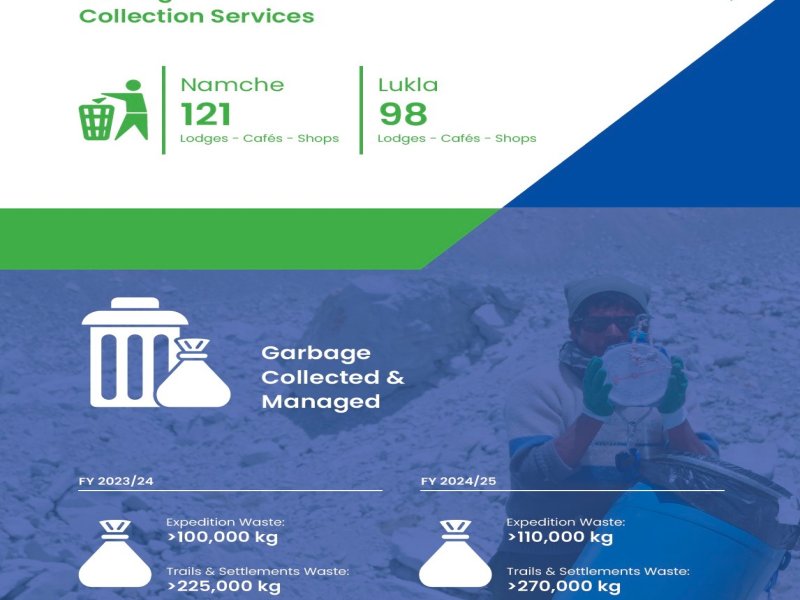
According to the report, SPCC has strengthened its integrated waste management system, covering trekking routes, high-altitude camps, and major settlements such as Namche Bazaar and Lukla. The organization collected and managed a substantial volume of waste from both expedition teams and local communities over the past year.
Climbers are required to follow a strict waste return policy, ensuring that garbage generated during expeditions is brought back and properly managed. Waste segregation into categories such as plastics, metals, glass, and organic materials has also been made mandatory, improving recycling and disposal practices. These measures have contributed to cleaner trekking trails and reduced pollution in one of the world’s most sensitive mountain ecosystems.
Community Participation and Awareness
SPCC’s report highlights strong community involvement in environmental conservation efforts. Awareness programs have been conducted in schools, monasteries, and local settlements, reaching hundreds of students and residents.
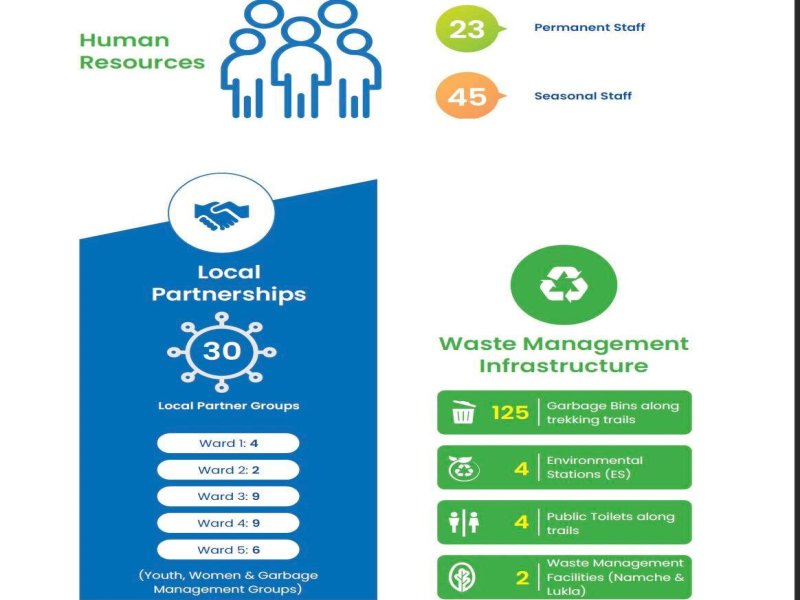
Initiatives such as the “Carry Me Back” campaign have encouraged trekkers and locals to actively participate in waste collection and recycling. This program has gained momentum in recent years, helping transport significant amounts of recyclable waste from remote areas to proper recycling facilities. Through these efforts, SPCC aims to build a culture of environmental responsibility among both visitors and local communities.
Use of Innovation in Challenging Terrain
Managing waste in the Himalayan region comes with unique challenges due to difficult terrain and extreme weather conditions. To address this, SPCC has introduced innovative solutions, including the use of drone technology for high-altitude clean-up operations.
These drones have been used to transport waste and equipment in dangerous areas, reducing risks for workers and improving efficiency. The initiative marks a significant step toward modernizing waste management practices in the Himalayan regions.
Climate and Environmental Concerns
The report also draws attention to the growing impacts of climate change in the Everest region, including glacier melting and unpredictable weather patterns. These changes not only affect mountaineering activities but also complicate waste management and environmental protection efforts. SPCC has been working on climate awareness and resilience programs in collaboration with various stakeholders, emphasizing the need for collective action to protect the fragile Himalayan ecosystem.

Commitment to Sustainable Tourism
SPCC’s Annual Report reinforces its commitment to sustainable tourism by combining strict regulations, community engagement, and innovative practices. The organization continues to serve as a key institution in preserving the natural beauty and ecological balance of the Everest region.
With tourism expected to grow further, SPCC stresses the importance of cooperation among climbers, local communities, and authorities to maintain environmental standards and ensure long-term sustainability.