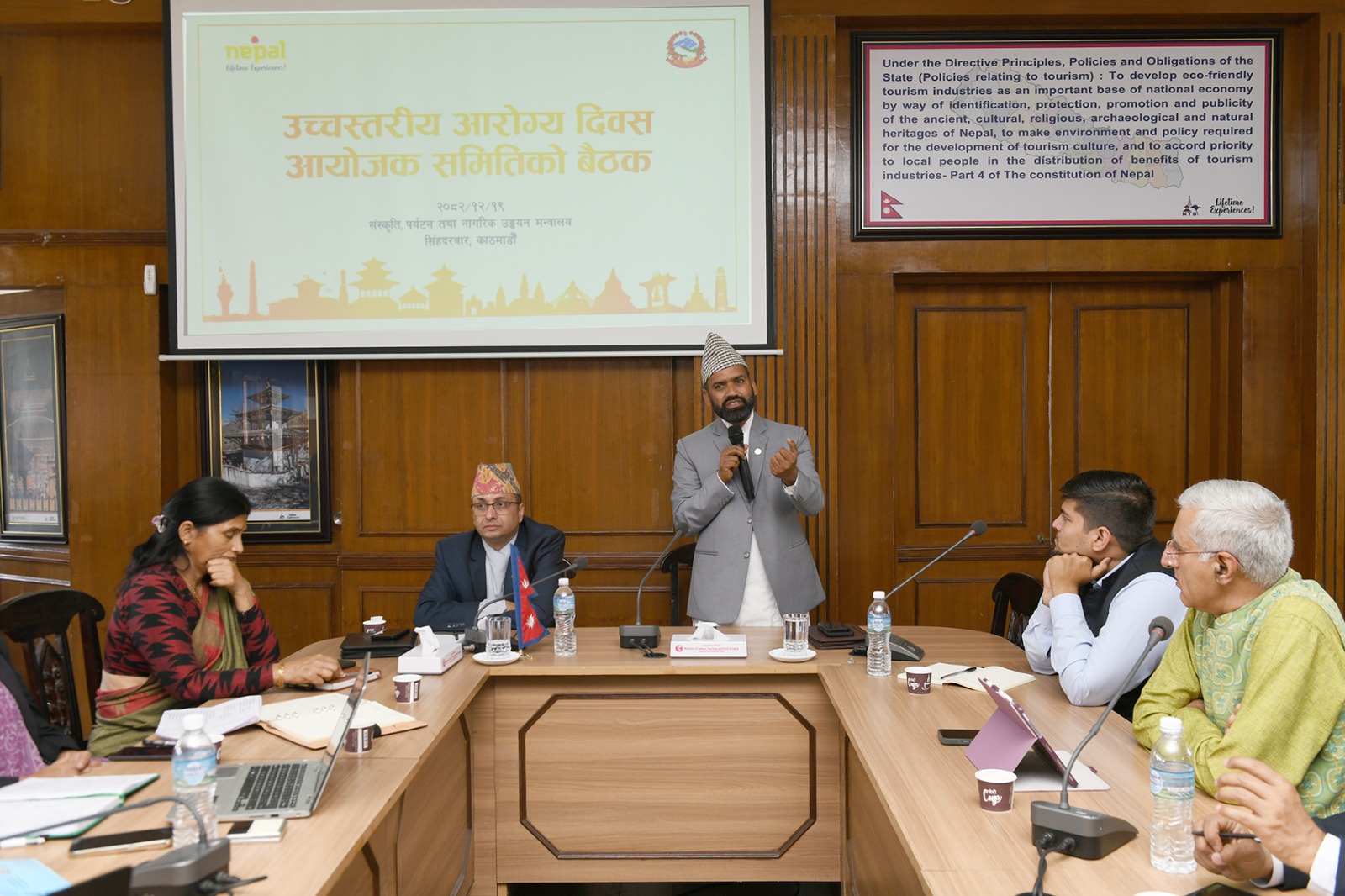
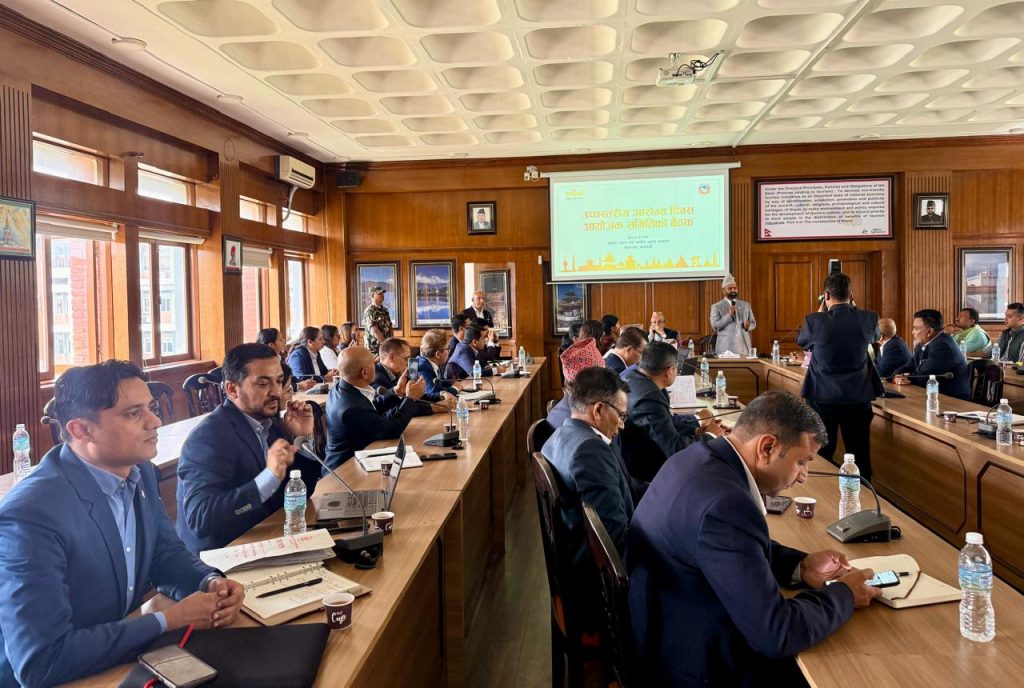
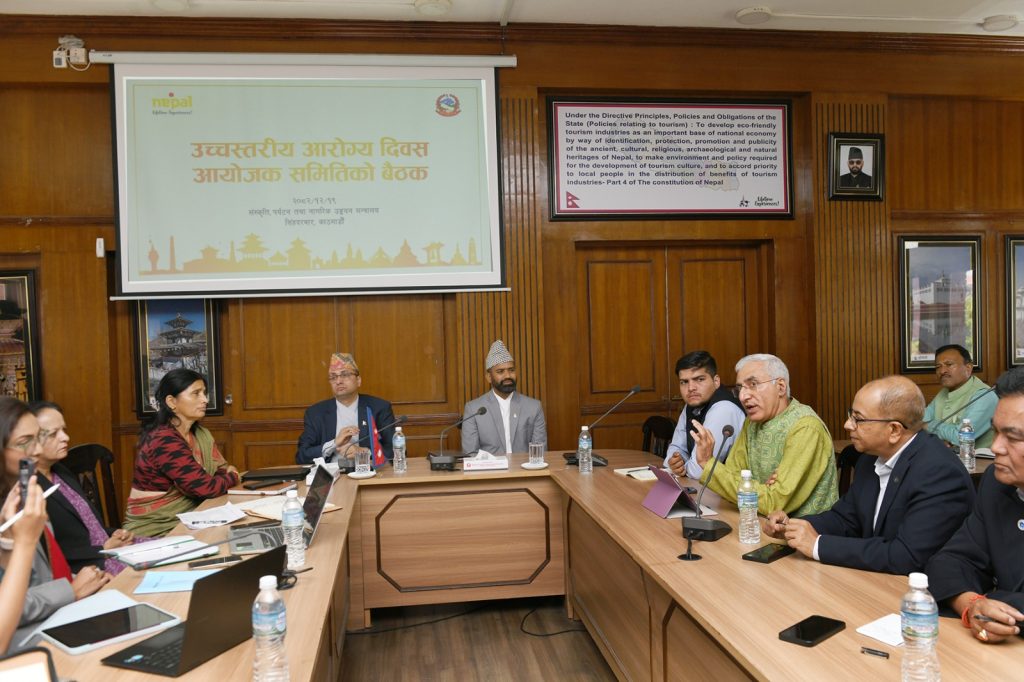
Preparations for the first-ever International Wellness Day, set to be observed on April 15, 2026 (Baisakh 2, 2083), have been intensified across Nepal. A high-level meeting of the Wellness Day Organizing Committee, held on Thursday at the Ministry of Culture, Tourism, and Civil Aviation, decided to celebrate the occasion nationwide in a comprehensive, participatory, and impactful manner.
The meeting resolved that the day will be observed across all 753 local levels and seven provinces, ensuring broad public engagement and long-term impact. Authorities emphasized that the event should not be limited to formal ceremonies but should instead be developed into a nationwide movement promoting holistic well-being.
From Celebration to National Campaign
Participants at the meeting stressed the need to elevate Wellness Day beyond symbolic observance and transform it into a national campaign. The focus will be on integrating wellness into daily life, linking it with national pride, sustainable livelihoods, and long-term development goals.
Minister for Culture, Tourism and Civil Aviation, Khadka Raj Paudel (Ganesh), highlighted Nepal’s deep-rooted spiritual heritage, noting that Lord Shiva is regarded as the original guru of yoga. Referring to the sacred site of Pashupatinath, he underlined the importance of preserving and promoting Nepal’s wellness traditions.
He remarked, “Wellness should not remain limited to promotion alone; it must be connected to people’s livelihoods. To overcome growing frustration among citizens and to protect national pride, wellness is essential. Before we promote wellness tourism globally, we must first recognize its value within our own society.” He added that while this initiative marks a beginning, Nepal must move forward carefully by safeguarding its authenticity, infrastructure, and cultural identity to make wellness a foundation for national prosperity.
Integrating Wellness with Culture and Economy
Member of the House of Representatives Prashant Upreti emphasized the importance of linking wellness with Nepal’s spiritual traditions and cultural authenticity. He called for a shift from conventional approaches toward more result-oriented strategies that can deliver tangible outcomes.
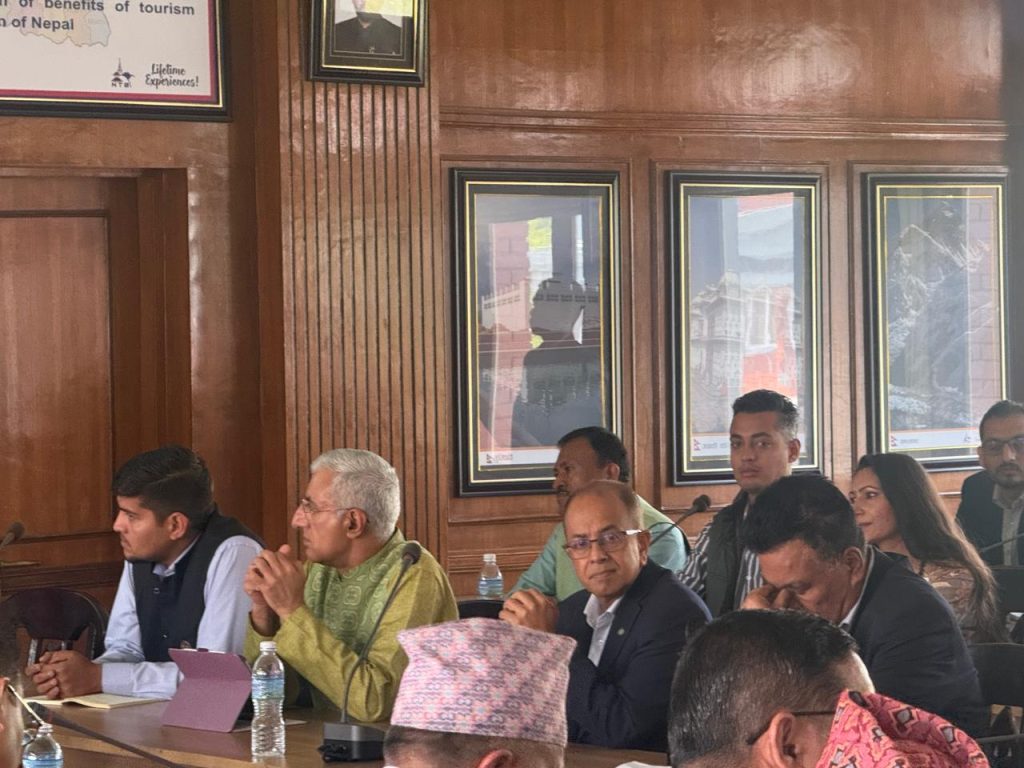
According to Upreti, wellness has the potential to contribute significantly to building a healthier society and fostering long-term socio-economic transformation. He suggested adopting sector-specific approaches to integrate wellness into everyday practices. “We need to bring wellness into practice through structured frameworks, meditation in schools, healthy food systems in the hospitality sector, and mindfulness-based activities in Himalayan regions, which can deliver strong messages in a short time,” he said.
Wellness as Nepal’s Soft Power
Ministry Secretary Mukund Prasad Niraula described wellness as a powerful tool of Nepal’s “soft power.” He noted that the initiative presents a historic opportunity to promote Nepal’s indigenous knowledge, culture, and lifestyle on the global stage.
“This is not just a single-day event; it is a platform to showcase Nepal’s originality to the world,” he said, adding that the meeting had also clarified roles and responsibilities to ensure effective implementation of the program nationwide.
Similarly, the Chief Executive Officer of the Nepal Tourism Board (NTB), Mr. Deepak Raj Joshi, highlighted wellness tourism as one of Nepal’s most promising sectors. He stated that Nepal’s unique combination of natural beauty and cultural richness places it in a strong position to compete globally.
“Now is the time to strengthen product development, packaging, and promotion of wellness tourism to make it a major contributor to national income,” he said, emphasizing the need to celebrate the day grandly both domestically and internationally.
Untapped Potential of Wellness Tourism
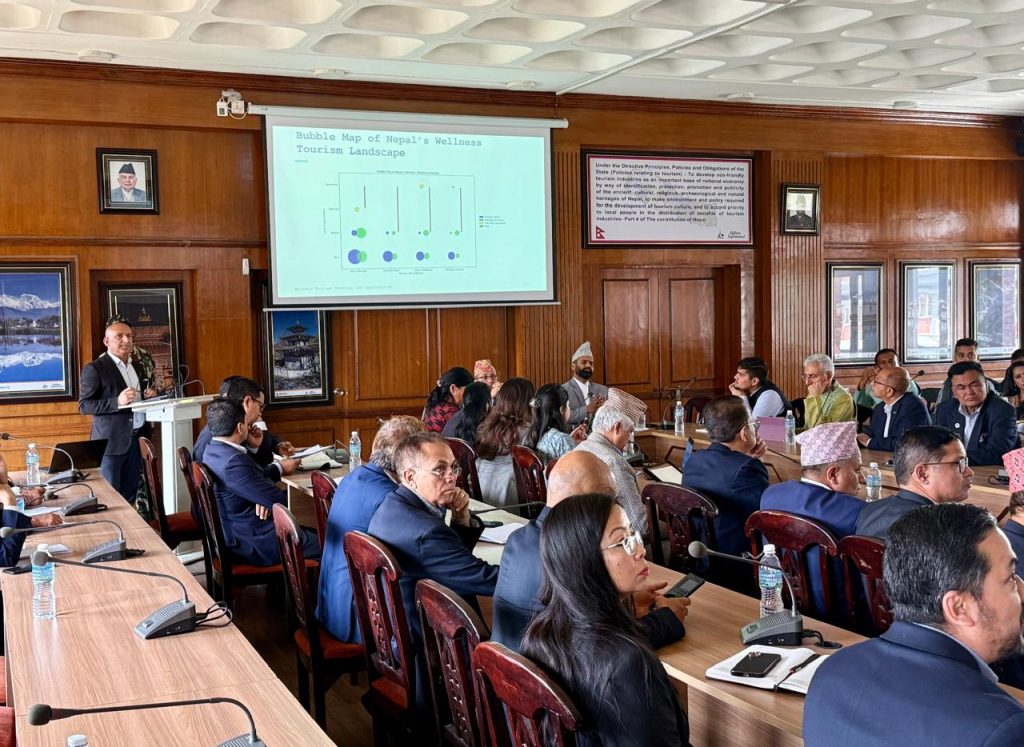
Tourism expert Sudip Baiju, presenting on wellness tourism opportunities, stressed that Nepal has the potential to emerge as a leading global wellness destination. He pointed out that promoting authentic practices such as yoga, Ayurveda, meditation, and spiritual retreats could attract high-value international tourists.
Adding to this perspective, L.P. Bhanu, founding member of Jeevan Bigyan, described wellness as a “way of life,” noting that it aligns perfectly with what the world is currently seeking, and what Nepal is uniquely positioned to offer.
Global Recognition and Economic Significance
The United Nations General Assembly declared April 15 as International Wellness Day following a proposal by Nepal, marking a significant diplomatic achievement for the country. The declaration reinforces the concept of wellness as a holistic state encompassing physical, mental, social, and environmental balance, rather than merely the absence of disease.
Currently, Nepal’s total tourism revenue stands at approximately USD 612 million, with wellness tourism contributing around USD 25 million, or roughly 4 percent. Stakeholders believe that with strategic investment and effective promotion, this share can grow significantly in the coming years. As Nepal prepares to celebrate the inaugural International Wellness Day, the initiative is being seen as a transformative step toward positioning the country as a global leader in holistic well-being and sustainable tourism.