The second hunting season (Falgun–Baishakh) has officially begun at the Dhorpatan Hunting Reserve, Nepal’s only legal hunting reserve, continuing its regulated approach to wildlife-based tourism and conservation.
Located across the districts of Baglung, Myagdi, and Rukum, the Dhorpatan hunting reserve covers an area of approximately 1,325 square kilometres. Established in 1987, Dhorpatan remains a unique model where controlled hunting is integrated into protected area management under strict guidelines.

Regulated Hunting Quotas
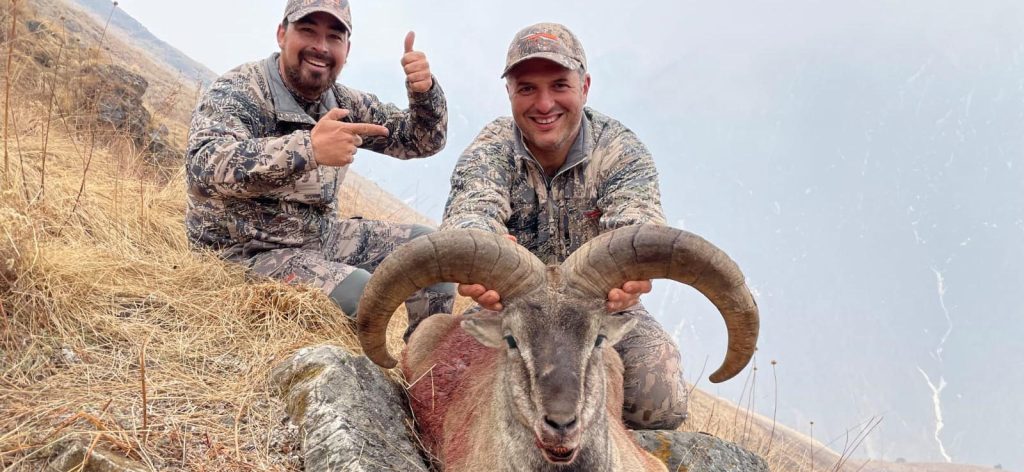
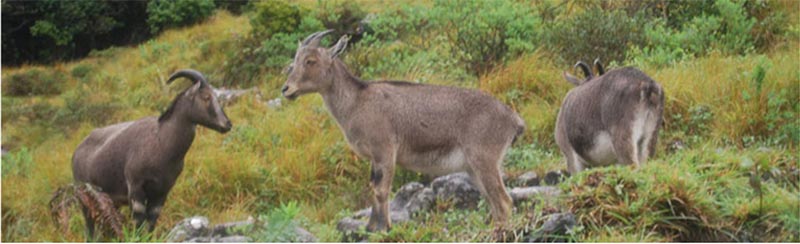
For the current season, permits have been issued for a limited number of species, including 14 Naur (Himalayan blue sheep), 10 Jharal (Himalayan tahr), and 13 wild boars. These quotas are determined through detailed wildlife assessments conducted by the Department of National Parks and Wildlife Conservation to ensure ecological balance and sustainability.
The reserve follows a seasonal hunting system, allowing controlled harvesting only during designated periods. Hunting activities are carried out in specific blocks, and each permit holder is required to complete their expedition within 15 days under close supervision from authorities.
Attraction for International Hunters
The ongoing season has attracted hunters from several countries, including the United States, Denmark, Belgium, France, and Russia. Most participants access the reserve through authorised safari operators, who manage logistics and compliance with regulations.
Each hunting expedition involves significant planning and expenditure, with participants typically spending between NPR 30 and 35 lakh. The costs cover permit fees, professional guiding services, accommodation, and helicopter transportation required to access remote hunting areas.
Economic Contribution and Local Benefits
Beyond its niche tourism appeal, Dhorpatan Hunting Reserve plays a notable role in revenue generation. In the first hunting season alone, the reserve generated more than NPR 3 crore, contributing to conservation efforts as well as supporting local livelihoods.
The income generated from hunting permits and tourism activities is utilised for wildlife conservation, habitat management, and community development initiatives in surrounding areas. Local communities also benefit through employment opportunities in guiding, portering, and hospitality services.
Security and Management
Security and monitoring within the reserve have been handled by the Nepali Army since 2016. Their presence ensures that hunting activities remain strictly regulated, preventing illegal practices and maintaining discipline among visitors. Authorities have emphasised that all hunting operations are conducted under stringent rules, with close supervision to ensure compliance with conservation standards.
Ongoing Debate on Ethical Hunting
Despite its regulated framework, Dhorpatan Hunting Reserve continues to be at the centre of discussions regarding ethical hunting practices. Questions have been raised about balancing conservation goals with exclusive tourism, as well as ensuring equitable access and transparency.

Experts argue that while regulated hunting can contribute to conservation funding and wildlife management, it must be carefully monitored to avoid ecological and ethical concerns. The government, however, maintains that the current system is designed to sustain wildlife populations while generating economic benefits.
A Unique Conservation Model
As Nepal’s only hunting reserve, Dhorpatan represents a distinct approach to conservation, blending controlled hunting with biodiversity protection. With strict quotas, seasonal operations, and continuous monitoring, the reserve aims to strike a balance between tourism, conservation, and community benefits. Officials remain optimistic that the ongoing season will further strengthen this model while contributing to Nepal’s broader conservation and tourism goals.