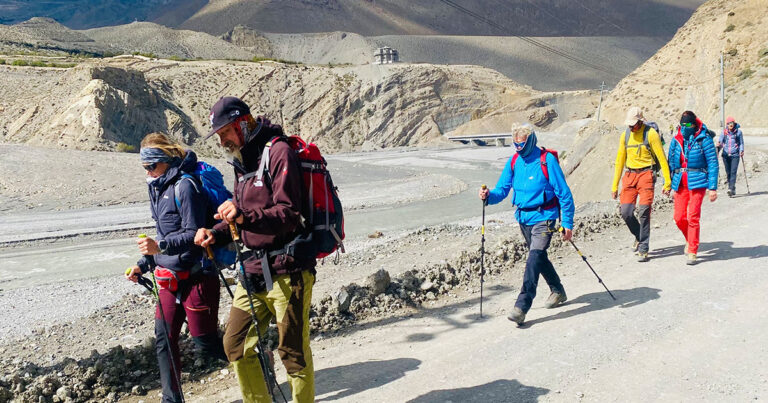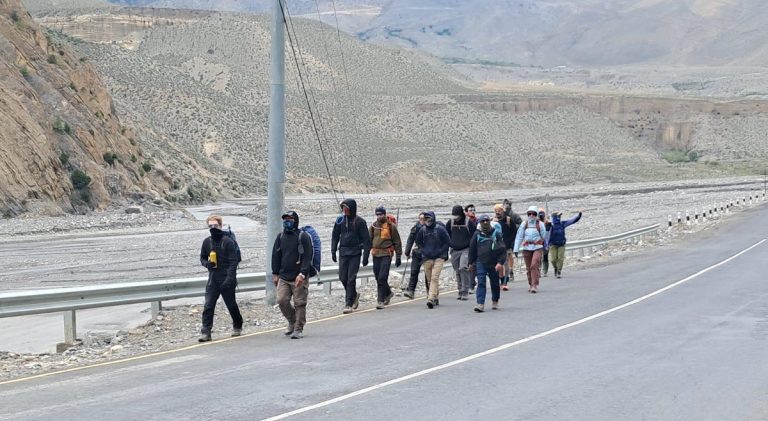
A newly emerging trekking route in the hills of Gorkha and Lamjung has entered the national spotlight after being included in the Government of Nepal’s ambitious 100-point governance reform agenda, signaling a major push toward diversifying the country’s tourism offerings beyond its traditional hotspots.
The Dordi Himal Trekking Route, a sub-circuit of the larger Buddha Himal Himalchuli Great Lakes Circuit (BHHGLC), has been identified as a priority destination for organized tourism development under Point No. 72 of the reform plan. The inclusion is expected to accelerate infrastructure development, promotion, and sustainable tourism practices in the region.

A Hidden Himalayan Gem
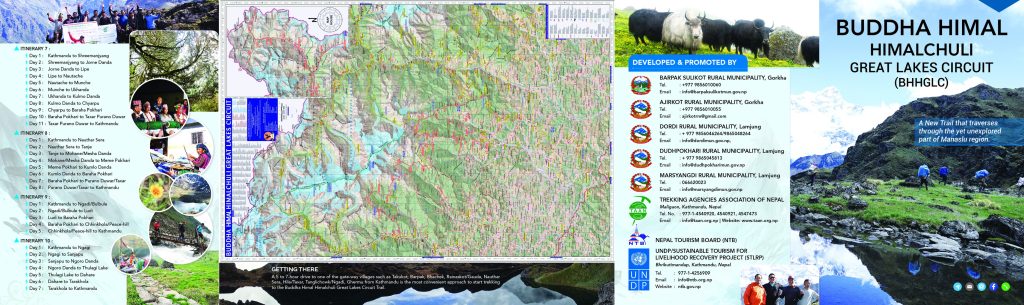
Tucked away in some of the least-visited corners of the Nepali Himalaya, the 15-day BHHGLC trail offers a rare blend of untouched natural beauty, cultural authenticity, and dramatic mountain landscapes. Unlike the crowded trails of Everest and Annapurna, this circuit provides trekkers with a quieter, more immersive experience.
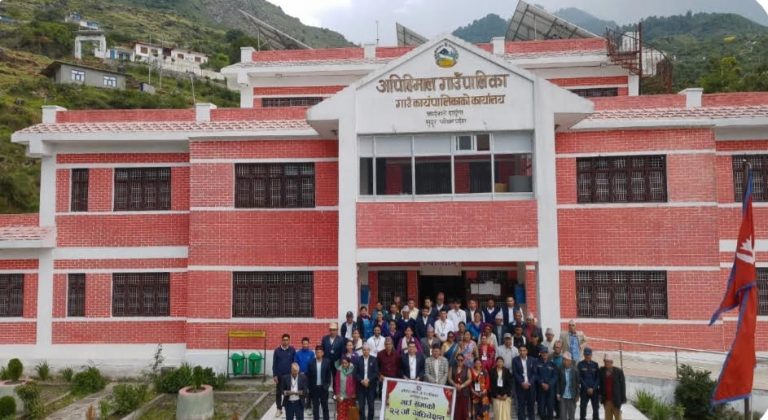
The route has been jointly developed by the Trekking Agencies’ Association of Nepal (TAAN) in collaboration with five rural municipalities, Marsyangdi, Dordi, Dudhpokhari, Ajirkot, and Barpak Sulikot, in Gorkha and Lamjung districts. Technical and financial support was provided through the Sustainable Tourism for Livelihood Recovery Programme (STLRP), a joint initiative of the Nepal Tourism Board and the United Nations Development Programme (UNDP).
What makes the trail particularly unique is its grassroots origin. Rather than being designed solely by central tourism authorities, the circuit has been shaped by local communities who possess intimate knowledge of the terrain, culture, and traditions of the region.
Five Lakes, Five Valleys, Five Peaks
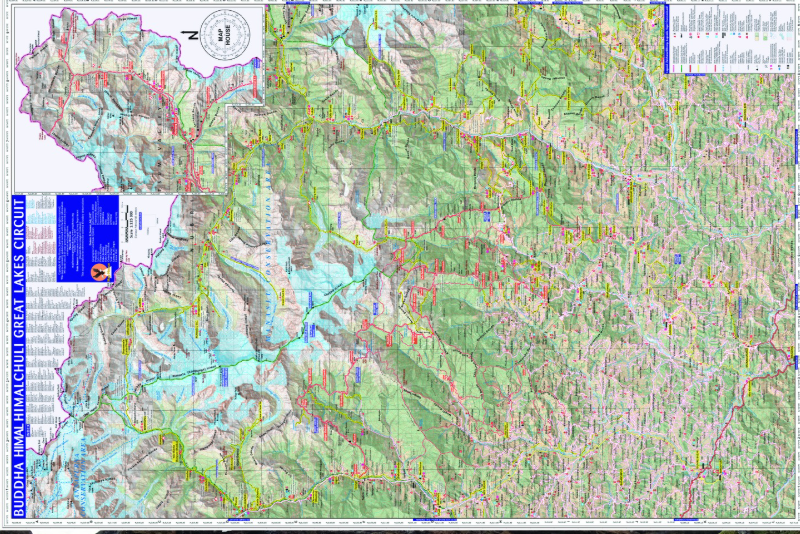
The Buddha Himal Himalchuli Great Lakes Circuit derives its name from the five sacred alpine lakes that define the journey: Narad Pokhari, Dudh Pokhari, Meme Pokhari, Thulanagi, and Baraha Pokhari. Each lake carries deep spiritual and cultural significance, offering trekkers not just scenic beauty but also a connection to local beliefs and traditions.
Complementing these high-altitude lakes are five major river valleys, Daraudi, Chepe, Dordi, Ngadi, and Marsyangdi, through which the trail winds. Each valley presents a distinct landscape and cultural identity, from terraced farmlands and dense forests to remote settlements where traditional lifestyles remain largely unchanged.
Local communities along the route are expected to play a central role in hosting trekkers, providing homestays, guiding services, and cultural experiences. Tourism experts believe this model will ensure that economic benefits are distributed more equitably while preserving local heritage.
Towering above the circuit are five prominent Himalayan peaks: Buddha Himal (6,672m), Himalchuli East (7,893m), Himalchuli West (7,540m), Ngadi Chuli (7,871m), and Himalchuli North (7,371m). Though less publicized than Nepal’s more famous summits, these peaks offer equally breathtaking vistas and a sense of discovery for adventurous trekkers.
Boost from Government Recognition
The government’s decision to include the Dordi Himal Trekking Route in its reform agenda is being welcomed by tourism stakeholders as a timely intervention. Officials believe that focused investment in infrastructure, such as trails, signage, accommodation, and connectivity, will significantly enhance the region’s accessibility and appeal.
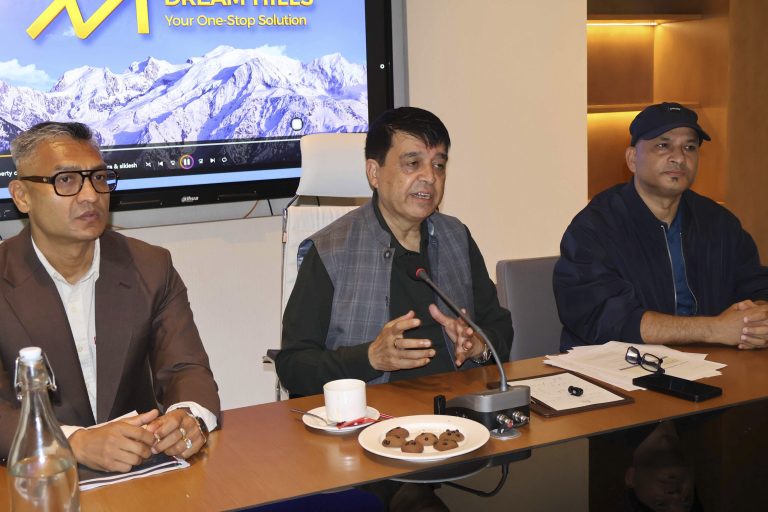
TAAN has expressed its gratitude to the government for recognizing the potential of the trail and prioritizing it within national tourism development plans. The association emphasized that such initiatives are crucial for promoting lesser-known destinations and reducing pressure on over-visited trekking routes.
Industry experts note that the move aligns with Nepal’s broader strategy of sustainable and inclusive tourism development, particularly in the post-pandemic recovery phase. By channeling resources into new destinations like Dordi Himal, the government aims to create alternative trekking circuits that can attract both domestic and international visitors.

A New Frontier for Trekking Tourism
As global travelers increasingly seek off-the-beaten-path experiences, the Buddha Himal Himalchuli Great Lakes Circuit is poised to emerge as one of Nepal’s most compelling new trekking destinations. Its combination of natural diversity, cultural richness, and relative seclusion positions it as an attractive alternative for seasoned trekkers.
With government backing now secured, stakeholders are optimistic that the Dordi Himal route will soon gain wider recognition in the international tourism market. If developed responsibly, it could serve as a model for community-led tourism initiatives across Nepal.