Over the decades, Nepal as a destination has changed in the global market. Tourism remains one of the major revenue generators in Nepal’s economy, contributing significantly to foreign exchange earnings and employment. Tourism roughly supported 6-7% of Nepal’s GDP with over 1 million jobs supported prior to the pandemic in 2019, which is a clear picture of the importance of tourism in the national economy.
Tourism should be recognized as a key pillar of national development. Though not acknowledged, tourism has become a major means of benefiting the nation and its people, helping Nepal be known as a destination that offers a transformative journey. It not only heals the mind, body, and soul but also offers enriching and transformative experiences, making an individual’s journey truly enriching and experiential.
In the global tourism industry, Sustainability has been the buzzword. However, if we see that Nepal has long emphasized sustainability in its tourism practices. Nepal has not only embraced sustainability early but has also been a global leader in practical, people-centered sustainable tourism approaches. Early adoption of the community tourism concept through homestays, conservation areas, the community forest concept, and wildlife protection is among the best examples set by Nepal from the very beginning of its tourism. So what’s new here that is changing the dynamics of tourism in Nepal?
New Shift- From a Value Conscious to Digitally Driven
While Nature, adventure, and culture have been the foundation of Nepal’s offerings, with the gradual change over time, people’s demand and experience have also changed. Nepal’s tourism industry endured different upheavals from political instability to natural disasters to crises like COVID. Despite these upheavals, the sector’s resilience has consistently been rewarded, leading to growth, product diversification, and innovation.
In 2024, Nepal welcomed over 1.147 million international tourists, marking a 13.1% increase from 2023 and a near-complete recovery to pre-pandemic visitor levels. Building on that momentum, 2025 saw Nepal host approximately 1,158,459 international visitors, reflecting around 97% recovery compared to pre-COVID peak levels and a modest 1% growth over the previous year.
With all these, a notable shift from group to solo travel has increased. Nepal is increasingly perceived as a healing destination through its curated wellness packages. After the crisis, travelers have become more value-conscious towards mental and emotional well-being, increasing the demand for meditation and yoga, and Nepal is the best destination for this wellness and spiritual journey. Nepal, being more inclined to seasonality, must treat it as a strategic pillar where this tourism shift can be used for our brand credibility, delivering quality services. For example, April 2025 saw a record high of 116,490 visitors, achieving 106.5% of its pre-pandemic April arrivals.
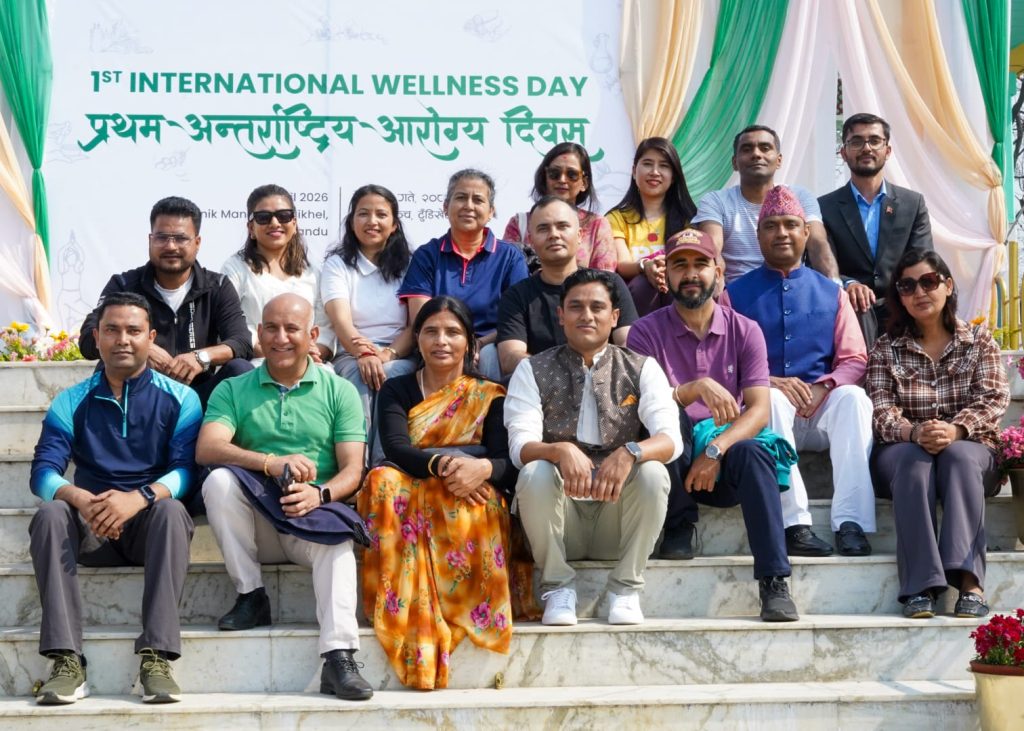
International Wellness Day Celebration in Nepal
Nepal marked a significant milestone in its evolving wellness tourism journey by celebrating International Wellness Day for the first time on 2nd Baisakh (15th April 2026). The occasion was observed across different parts of the country through yoga sessions, meditation programs, nature walks, and community wellness activities, highlighting Nepal’s growing identity as a global hub for holistic well-being.
The celebration reflected a broader national shift toward wellness-centered tourism, aligning with Nepal’s strengths in spirituality, natural healing environments, and cultural traditions of mindfulness. It also reinforced the idea that tourism in Nepal is no longer limited to adventure and sightseeing, but is increasingly connected with mental peace, self-discovery, and inner healing experiences. The first-time observance of this global day in Nepal further strengthened the country’s positioning as a transformative and regenerative tourism destination.
Connect to Nature: A shift towards meaningful and responsible Tourism
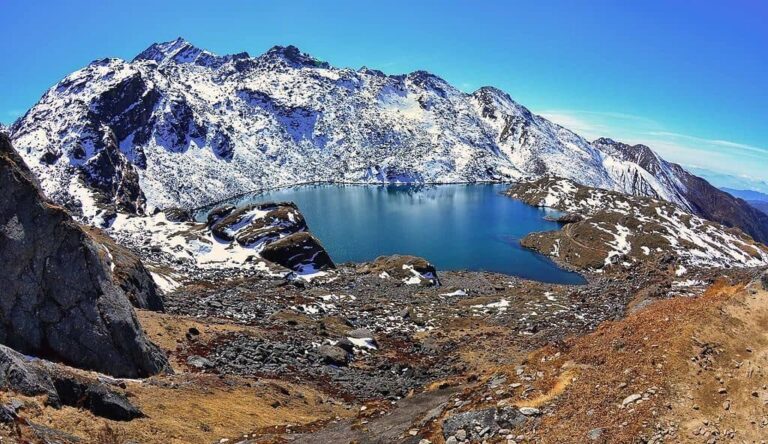
With the rising capitalization and urbanization, tourists want to be away from a materialistic environment and want to get connected to nature, making Nepal an ideal “back to Nature” destination. In addition to iconic natural scenery, mountains, forests, rivers, and wildlife protected across nearly 23.39% of the country’s land area, travelers show growing interest in responsible tourism that respects community and environmental integrity. The immersive, fresh nature connection helps the travelers connect to their inner soul. Overcapitalization has also made the travelers realize the importance of giving back to the community. This inspires a paradigm shift to responsible tourism.
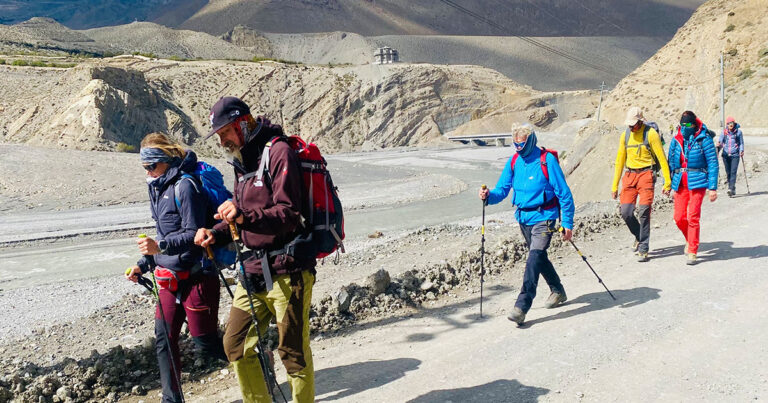
Travelers have made a shift towards meaningful and responsible travel experiences at present. They are more into experiential travel, seeking authentic local culture and cuisine alongside adventure activities. There is a growing interest in spiritual awakening through yoga, meditation, wellness retreats, and so on. Additionally, the trend of short-haul travel to nearby destinations has positioned Nepal as a convenient and attractive choice.
Personalization and Experience Driven Choice
We have also observed the rising inclination towards personalized travel experiences through their favored customized itineraries. Family holidays exploring the varieties of local cuisine are also becoming popular. Additionally, the trend of SOLO travelers, particularly among women, is emerging lately. Many young travelers are turning to social media to search for niche experiences, reflecting their greater engagement with the digital world.
Some Brainstorming: Way Forward
With all these trends, can Nepal be an ideal destination where we are longing and still struggling to reach the pre-pandemic level? This is the point of departure for us to be in the trend of Experiential to transformative to regenerative tourism that can truly redefine Nepal, crafting travel experiences that heal, inspire, and leave a lasting impact.
Article By: Srijana Nepali Shrestha
Senior Officer
Nepal Tourism Board