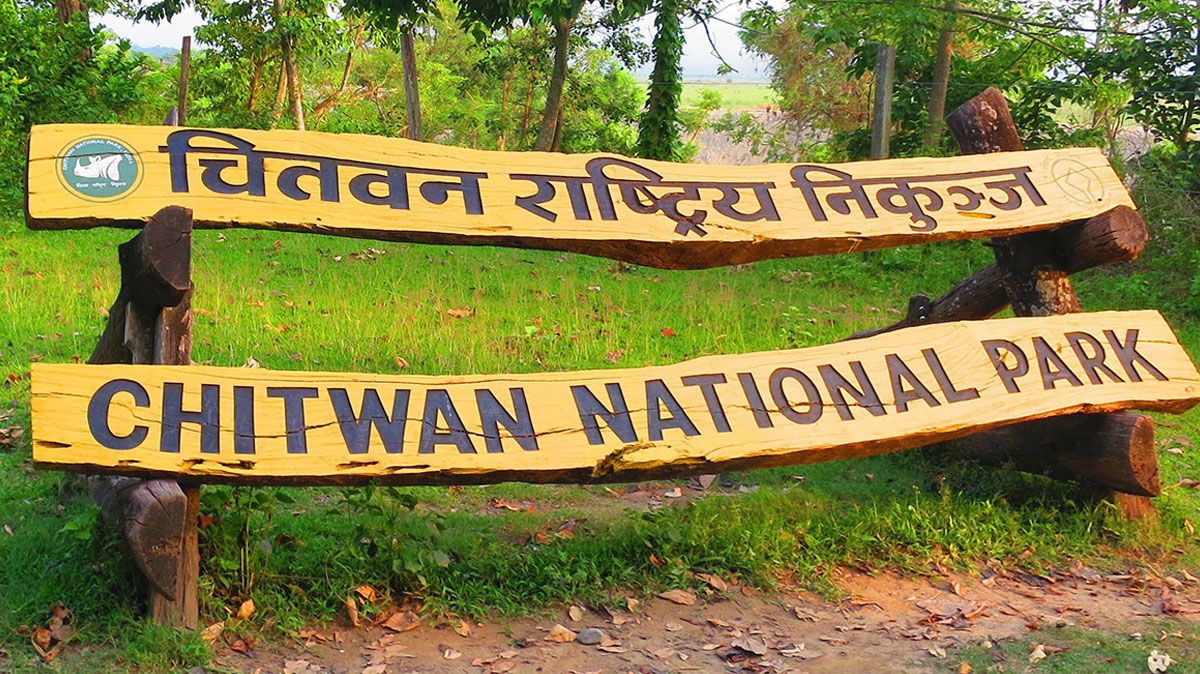
Chitwan National Park is not merely Nepal’s first national park; it is a living testament to what dedicated protection can achieve. In the flat, steamy lowlands of south-central Nepal, where the Himalayan foothills dissolve into the vast plains of the Terai, lies a sanctuary that represents one of the Indian subcontinent’s last great wildernesses.
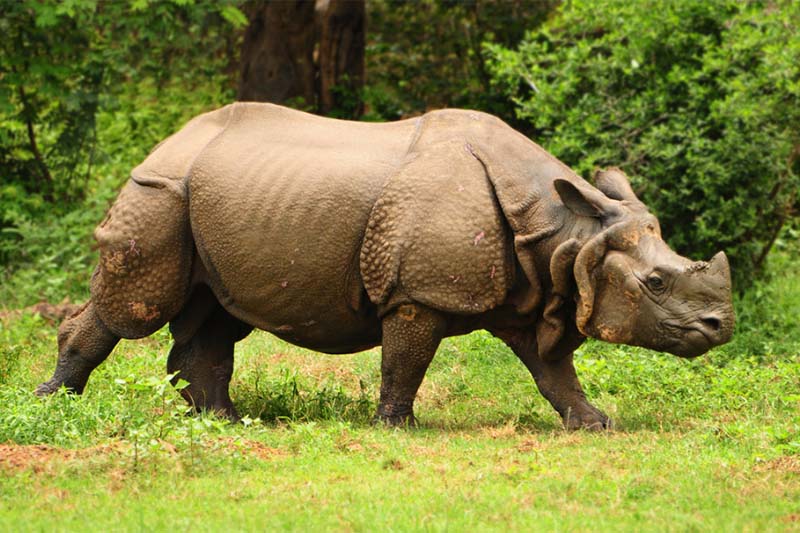
Chitwan National Park is a global symbol of successful conservation, a UNESCO World Heritage Site, and the single best destination in Asia to witness the majestic, prehistoric-looking one-horned rhinoceros and the elusive Bengal tiger in their natural habitat. Established in 1973 as the Royal Chitwan National Park, this was Nepal’s first foray into modern wildlife conservation. Over fifty years later, it remains the crown jewel of the country’s protected areas, offering a thrilling blend of adventure, biodiversity, and cultural immersion that few places on Earth can match.
A Legacy of Protection: History and UNESCO Status
The story of Chitwan is a dramatic turnaround from near-destruction to world-class preservation. In the mid-20th century, the area was a hunting reserve for Nepal’s ruling elite and foreign dignitaries, but rampant poaching and habitat loss decimated its wildlife. The greater one-horned rhinoceros, once numbering only about 100 individuals, teetered on the brink of extinction.
Recognizing the crisis, King Mahendra established the Royal Chitwan National Park in 1973, initially covering an area of 932 square kilometers of the subtropical Terai inner valleys. This bold move laid the foundation for one of the most celebrated conservation success stories in history. So significant are the ecosystems that UNESCO granted them World Heritage Site status in 1984. Today, the park officially covers 952.63 square kilometers (367.81 square miles), ranging in elevation from approximately 100 meters (330 feet) in the lush river valleys to 815 meters (2,674 feet) in the rugged Sivalik Hills. It sprawls across four districts, Nawalpur, Chitwan, Makwanpur, and Parsa, forming a vital green lung in a rapidly developing nation.
Geography and Strategic Location
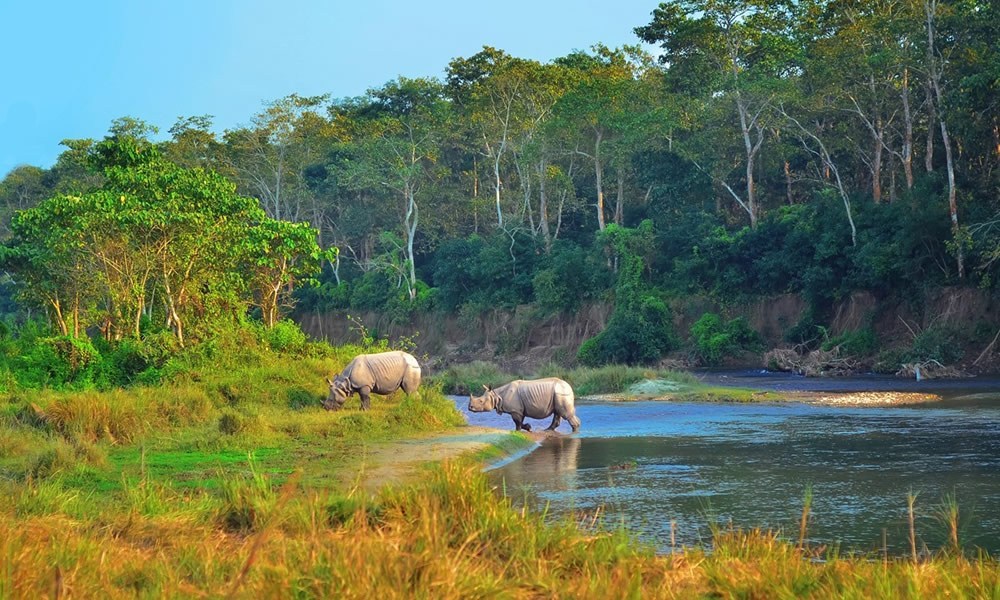
Chitwan’s natural boundaries are defined by life-giving water. The Narayani-Rapti river system acts as a formidable moat, separating the human settlements in the north and west from the core wilderness. This hydrological network is not just a boundary; it is the park’s circulatory system, creating floodplains, oxbow lakes, and rich alluvial grasslands.
To the east, Chitwan is contiguous with Parsa National Park, and to the south, it links seamlessly with India’s Valmiki National Park, a designated Tiger Reserve. This transboundary connection forms a massive, coherent protected area of 2,075 square kilometers (801 square miles), known as the Tiger Conservation Unit (TCU) Chitwan-Parsa-Valmiki. This entire block, covering a staggering 3,549 square kilometers (1,370 square miles) of alluvial grasslands and subtropical moist deciduous forests, is essential for the long-term genetic viability of wide-ranging species like the tiger and the Asian elephant.
The Climate: When to Witness the Wild
Understanding Chitwan’s climate is crucial for planning a visit. The park experiences a humid subtropical monsoon-influenced climate, with high humidity throughout the year. The region lies in the central climatic zone of the Himalayas, where the monsoon arrives with force in mid-June and finally eases off in late September. During these 14 to 15 weeks, the landscape receives the vast majority of its annual precipitation, up to 2,500 mm (98 inches).
The best wildlife viewing season, however, begins after the monsoon retreats. From mid-October onward, the clouds vanish, humidity plummets, and the oppressive heat subsides. Daily temperatures gradually drop from a peak of 36°C (97°F) to a pleasant 18°C (64°F). Nights become crisp, cooling down to around 5°C (41°F) until late December, when a few days of soft rain often occur. Then, temperatures begin a steady climb towards the scorching pre-monsoon months of April to June, when the mercury can reach up to 43°C (109°F). For most travelers, October through March offers the most comfortable and rewarding conditions.

Key Features and Unparalleled Biodiversity
The heart of Chitwan’s allure is its extraordinary biodiversity. The park protects a staggering array of life, thanks to its varied landscape of Sal forests, tall elephant grass (some stalks reaching over 7 meters), riverine floodplains, and oxbow lakes. It is a biological treasure chest containing over 700 species of wildlife.
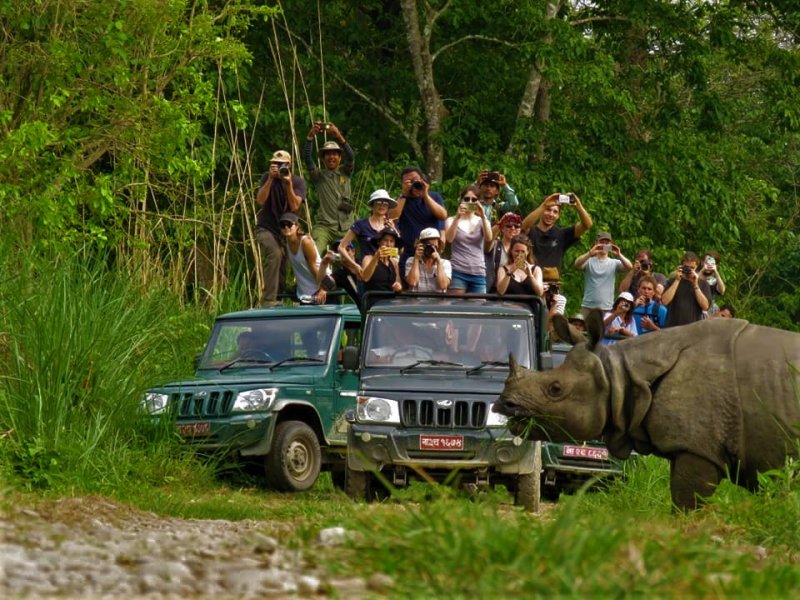
Mammal enthusiasts come for the “Big Five” of the Terai: the rare one-horned rhinoceros, the royal Bengal tiger, the shaggy-coated sloth bear, the secretive leopard, and the massive gaur (Indian bison). The park also hosts four types of deer (spotted, sambar, barking, and hog), rhesus monkeys, langurs, wild boar, wild dogs, and several species of wild cats. The rivers, the Narayani and Rapti, are a world unto themselves, harboring the critically endangered long-snouted gharial crocodile, the more common marsh mugger crocodile, and even rumors persist of the rare Gangetic dolphin. For herpetology fans, the park’s 49 species of amphibians and reptiles include the massive reticulated python.
A Premier Birdwatching Destination
For ornithophiles, Chitwan is nothing short of paradise. With over 565 recorded bird species, and some sources listing 525 species during peak seasons, the park is a premier birdwatching destination on the global circuit. The diversity is fueled by the mix of habitats and the arrival of migratory birds. During the summer, the forests echo with the calls of resident species like the brilliantly colored paradise flycatcher, the vocal Indian pitta, and screeching parakeets.
But the real spectacle occurs in the winter months (November to February), when the park becomes a temporary home for thousands of migratory waterfowl from as far away as Siberia. The rivers and wetlands teem with Brahminy ducks, pintails, bar-headed geese, cormorants, and a dozen species of shorebirds. Early morning canoe rides offer unparalleled views of kingfishers, egrets, and storks hunting along the water’s edge.
The Visitor Experience: Adventures in Sauraha
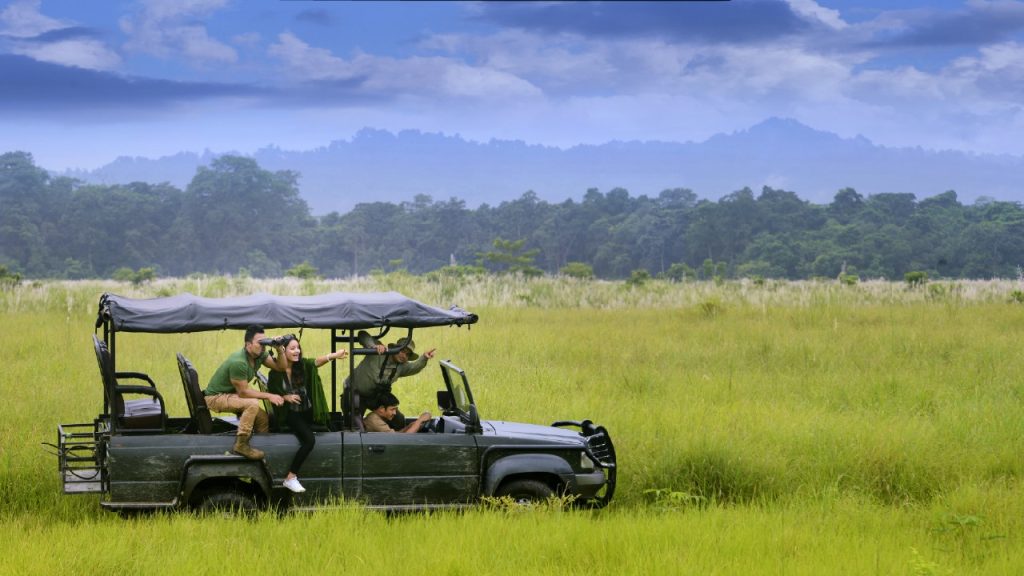
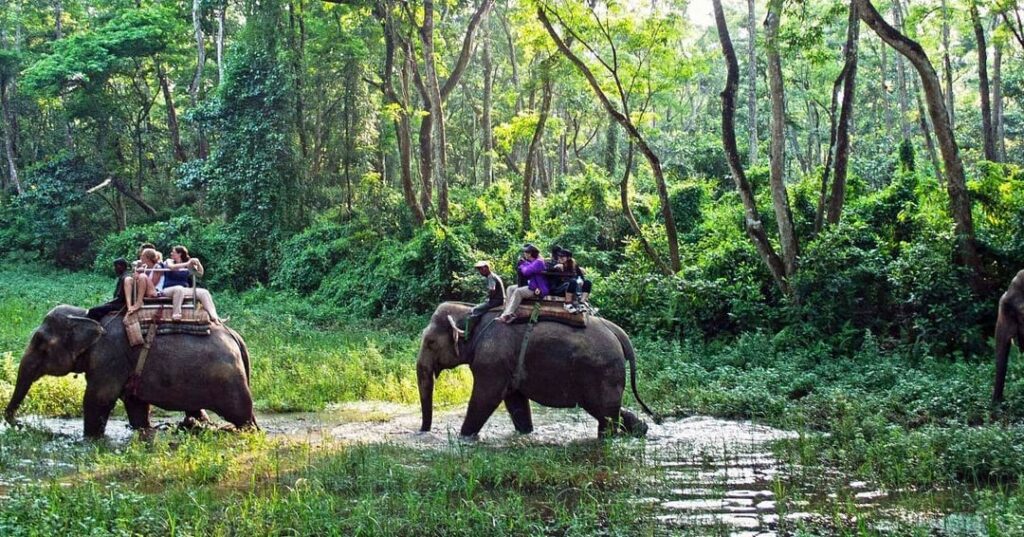
The bustling village of Sauraha serves as the primary gateway for most visitors to Chitwan. Located just a short distance from the park’s eastern boundary, Sauraha has transformed into a hub of eco-tourism, offering a range of lodges, resorts, and hotels to suit every budget. The quintessential Chitwan experience revolves around jungle safaris, and there are several ways to undertake them. A jeep drive allows deep penetration into the core areas of the park, offering the best chance to see rhinos, deer, and, if luck is on your side, a tiger.
For a more intimate experience, a jungle walk with an armed naturalist guide is thrilling and educational, teaching you to track animals and identify medicinal plants. A canoe ride down the Rapti or Narayani rivers is a serene yet exhilarating way to spot crocodiles, aquatic birds, and rhinos bathing on the banks. Many packages also include a visit to the Elephant Breeding Center, where you can see the park’s conservation efforts with these gentle giants up close. Finally, no trip is complete without an evening of cultural entertainment, experiencing the vibrant Tharu culture through their traditional stick dances and local cuisine.
Conservation Success and Ongoing Challenges
Chitwan National Park is a shining example of what dedicated conservation can achieve. The greater one-horned rhinoceros population has rebounded from fewer than 100 in the 1960s to several hundred today. Tiger numbers have also stabilized, making Nepal one of the few countries on track to double its tiger population. This success is largely due to a heavy engagement in community-based conservation.
The park authorities have worked hand-in-hand with buffer zone communities, sharing tourism revenue, providing alternative energy sources to reduce firewood collection, and training local people as anti-poaching informants and nature guides. However, the park still faces ongoing threats. Poaching, though reduced, has not been eliminated; tourism pressure, if not managed, can degrade fragile habitats; and invasive alien plant species, such as Mikania micrantha (mile-a-minute weed), are smothering native grasslands, choking out the forage for herbivores. The constant challenge of minimizing human-wildlife conflict, particularly when tigers or rhinos stray into adjacent farmlands, remains a daily reality for park management.
Added Attractions and Getting There
Beyond the core jungle experience, the region around Chitwan offers several added attractions. Pilgrims and tourists alike visit Devghat, a sacred religious site at the confluence of the Kali Gandaki and Trishuli rivers, and Balmiki Ashram, a hermitage associated with the ancient sage Valmiki, who wrote the Ramayana. Adventure seekers can explore the Chepang Hill Trail, which offers cultural encounters with the indigenous Chepang people and stunning views of the Himalayan range.
Accessing Chitwan is straightforward. The park headquarters at Kasara is a 21-kilometer drive from the city of Bharatpur. By air, a 20-minute flight from Kathmandu lands at Bharatpur Airport, followed by a short taxi or bus ride to Sauraha. By road, it is approximately 146 kilometers from Kathmandu, a journey of 4-5 hours by private vehicle or tourist bus through scenic, winding highways.
As of 2026, the entrance fees remain reasonable: NPR 150 per day for Nepali citizens, NPR 1,000 for SAARC nationals, and NPR 2,000 for other foreign visitors. Whether you come for the tigers, the birds, or the simple thrill of hearing a wild jungle at night, Chitwan National Park delivers an unforgettable encounter with nature at its most raw and beautiful.