Chitwan National Park has witnessed a notable increase in tourist arrivals compared to last year, reflecting the growing appeal of Nepal’s premier wildlife and nature destination. According to officials, during the first eleven months of the current fiscal year, the total number of visitors to the park and surrounding community forests increased by 12,412 compared to the same period last year.
Record Growth in Visitor Numbers
In the previous fiscal year, Chitwan National Park welcomed 156,283 tourists, whereas this year, 168,695 visitors explored the park. Abhinash Thapa Magar, the park’s information officer, reported that by the end of Falgun, 104,096 Nepali tourists had visited, compared to 81,246 in the same period last year.

The park also attracted 9,544 visitors from SAARC countries, up from 14,207 last year, and 55,055 international tourists from other countries, compared to 60,830 the previous year. These figures underline Chitwan’s continued status as a major wildlife tourism hub in Nepal.
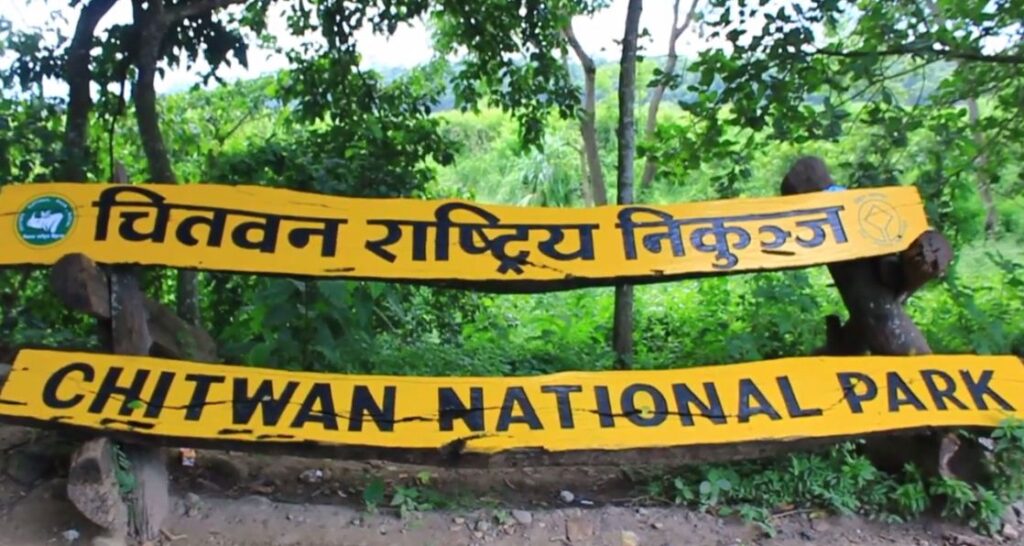
Wildlife Attractions Draw Visitors
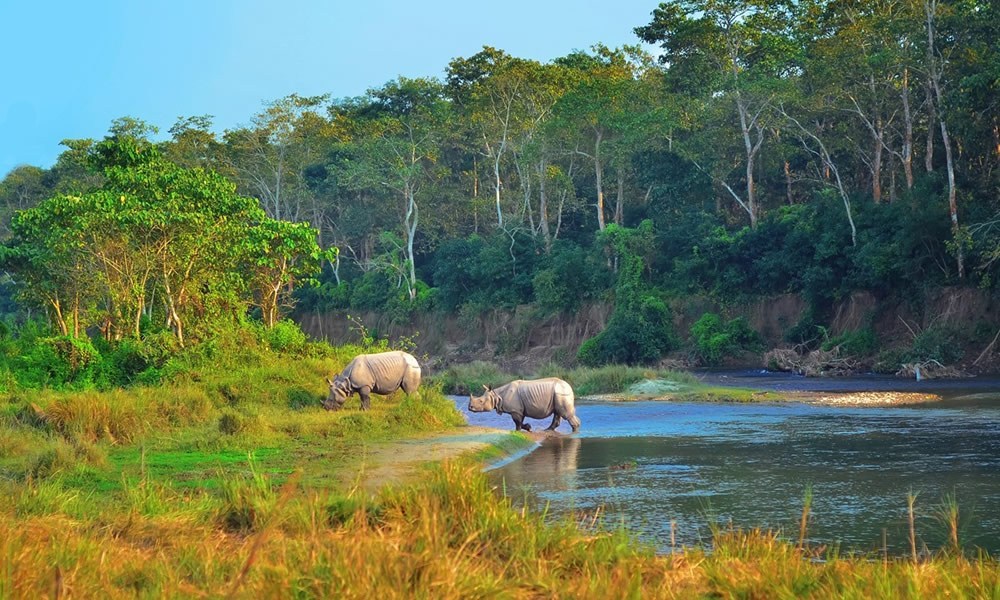
Tourists flock to the park to witness iconic wildlife, including the one-horned rhinoceros, Bengal tigers, elephants, bears, chital deer, and gharials, as well as a wide variety of birds. The park offers opportunities for jungle safaris, birdwatching, and wildlife photography, making it a popular choice for nature enthusiasts, families, and adventure travelers alike.
Significant Revenue Generation
The rise in tourist arrivals has also positively impacted the park’s revenue. During the current fiscal year, Chitwan National Park collected NPR 175,756,325 in total revenue. The breakdown of earnings includes NPR 71,350 from timber sales, NPR 7,068,766 from non-timber forest products, and NPR 166,324,100 generated from tourism activities. Additionally, the park collected NPR 759,704 from fines and penalties, and NPR 1,522,405 from other miscellaneous sources.
This revenue is crucial for ongoing conservation efforts, park management, and community development initiatives in and around Chitwan. By linking tourism with environmental protection, the park ensures sustainable benefits for both wildlife and local communities.
Community Forests Complement Tourism
Besides the core national park, surrounding community forests also receive visitors, allowing local communities to directly benefit from tourism. The combination of park-based wildlife experiences and community forest activities provides a more holistic and engaging experience for tourists, while promoting conservation awareness among both visitors and residents.

The increase in tourist numbers indicates that Chitwan National Park continues to be a preferred destination for wildlife and nature tourism in Nepal. Park officials are optimistic that with improved facilities, guided tours, and community engagement, the park will continue to attract domestic and international visitors, contributing to conservation goals and local economic development.
As tourism rebounds and interest in eco-friendly experiences grows, Chitwan National Park remains a shining example of how Nepal can balance ecological preservation with sustainable tourism. Its thriving wildlife, scenic landscapes, and community involvement make it a model for protected areas across the country.