A Sherpa guide and an Indian climber were injured following a serac collapse in the Khumbu Icefall on Tuesday morning during a routine acclimatization rotation on Mount Everest. According to the Department of Tourism, the incident occurred at approximately 5:45 AM on May 5, as climbers and Sherpa guides from multiple expedition teams were making their way from Everest Base Camp toward Camp I.
Sudden Icefall Movement Triggers Serac in Khumbu Icefall
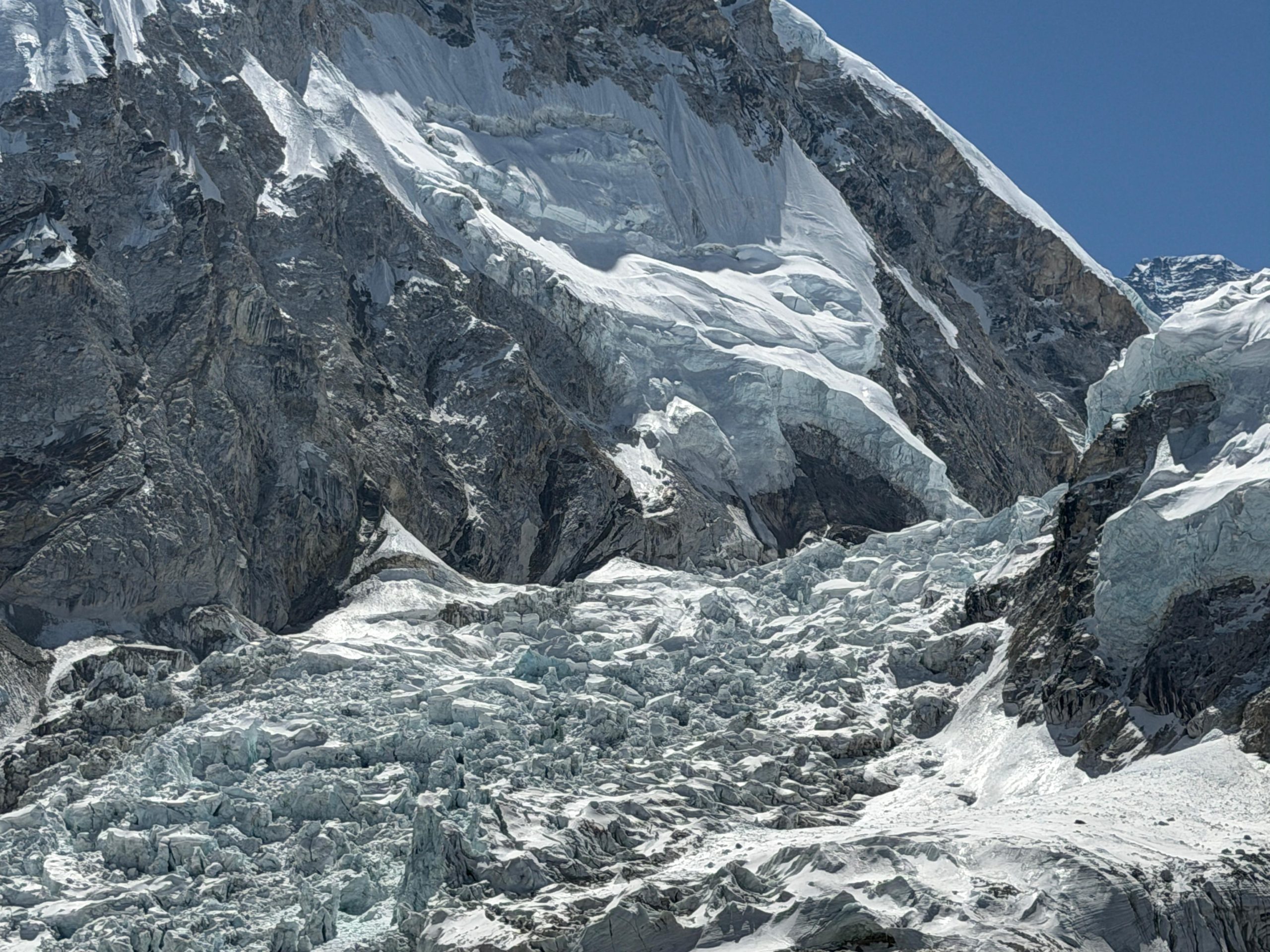
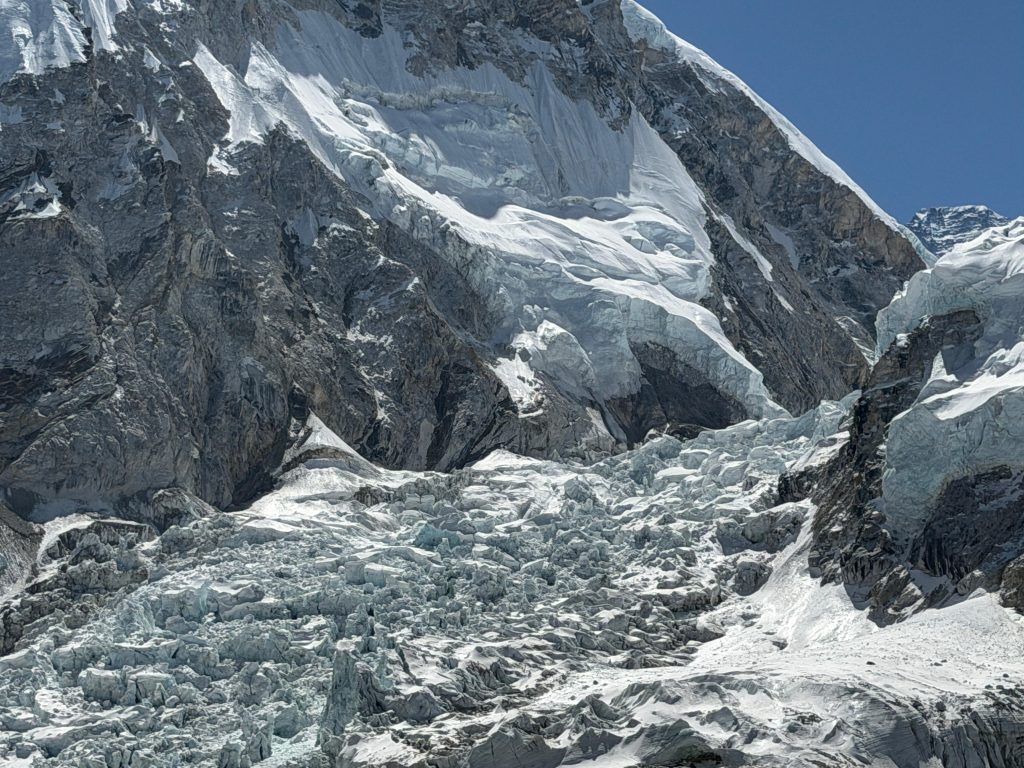
Officials reported that a large ice serac, already identified as unstable, experienced a secondary serac collapse when another block of ice broke off from around 20 meters below it. The falling ice mass reached the established climbing route, striking individuals moving through the Khumbu Icefall, one of the most վտանգous sections of the Everest ascent. The Khumbu Icefall is known for its constantly shifting ice towers, deep crevasses, and unpredictable avalanches, making it a high-risk zone for climbers and guides, particularly during early-season rotations.

Injured Identified as Sherpa Guide and Indian Climber
The injured have been identified as 44-year-old Sherpa guide Pemba Tenduk Sherpa from Makalu, Sankhuwasabha, affiliated with Seven Summit Treks, and 40-year-old Indian climber Nimish Kumar Singh, associated with Pioneer Adventure Pvt. Ltd.. Both individuals sustained injuries during the icefall incident but were quickly attended to by nearby expedition teams.
Immediate Rescue and Evacuation Efforts
Following the accident, Sherpa guides from Pioneer Adventure Pvt. Ltd. and The Summit Force Expeditions swiftly initiated a rescue operation. They provided initial assistance at the site and promptly alerted Base Camp authorities. A helicopter was dispatched from Lukla shortly after the incident, and the injured were airlifted at around 6:30 AM, less than an hour after the accident, demonstrating a rapid emergency response in the Himalayan Area.

Injured Climbers Airlifted to Kathmandu
Both the Sherpa guide and the climber were transported to HAMS Hospital in Kathmandu for further medical treatment. According to the Department of Tourism, both individuals are currently in stable condition and are reported to be out of danger.
Ongoing Risks in the Everest Climbing Season
The incident highlights the persistent risks associated with climbing Everest, particularly in the Khumbu Icefall, which remains one of the most technically challenging and hazardous sections of the route. As the spring climbing season continues, authorities and expedition operators have reiterated the importance of strict safety measures, route monitoring, and timely decision-making to minimize risks in high-altitude mountaineering.