The global travel industry is strengthening health, hygiene, and operational safety standards across remote tourism and expedition travel segments amid growing awareness of hantavirus risks in wilderness environments. The attention is particularly focused on rural and outdoor destinations in parts of South America and other geographically sensitive regions worldwide.
The shift reflects a broader industry effort to enhance traveler safety in high-immersion and eco-tourism experiences, where exposure to natural environments is significantly higher.

Understanding Hantavirus and Associated Risks
Hantavirus is a rare but potentially severe zoonotic disease primarily linked to exposure to rodent droppings in rural, agricultural, or poorly ventilated settings. Health authorities emphasize that while infections remain uncommon, certain strains can lead to high mortality rates, making the virus a continued subject of public health surveillance in specific regions.
Experts highlight that hantavirus differs significantly from airborne respiratory diseases such as COVID-19, as it does not spread easily between humans under normal conditions. It is generally classified as a localized environmental risk rather than a global transmission threat.

No Global Pandemic Risk, Say Experts
Public health specialists and travel health experts have clarified that hantavirus does not pose a systemic or pandemic-level risk to international aviation or global tourism networks. This distinction has helped reassure the travel industry, which continues to operate without broad restrictions linked to the virus. However, targeted precautions remain important in high-risk outdoor environments.
Strengthening Safety Measures in Remote Tourism
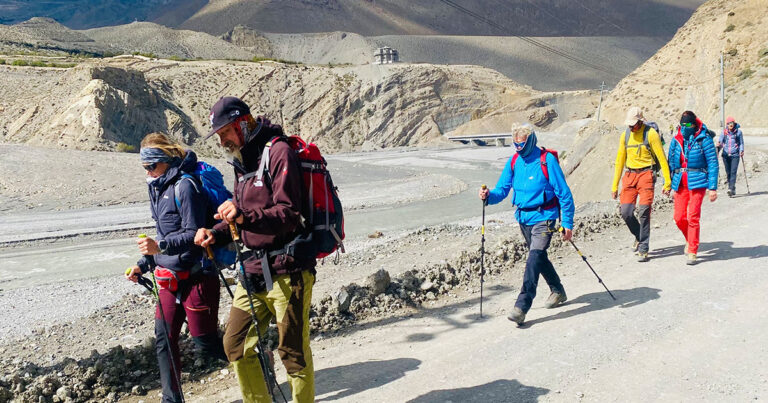
With the rapid expansion of eco-tourism, trekking, expedition cruises, and wilderness travel, operators are being encouraged to adopt stricter preventive measures. These include improved pest-control systems, enhanced ventilation in enclosed accommodations, and strengthened sanitation protocols in camps, lodges, and expedition vessels. Tour operators working in remote regions are also increasing staff training on hygiene management and environmental risk awareness to ensure safer travel conditions for visitors.

Regions Under Continued Monitoring
Health and tourism authorities continue to monitor specific regions where hantavirus strains have been recorded historically. These include parts of the Southern Cone of South America, particularly areas where the Andes virus strain is present, as well as select rural zones in North America and Asia. These regions are typically subject to seasonal risk assessments linked to outdoor tourism activity and environmental conditions.
Industry Response and Risk Preparedness
Industry stakeholders are increasingly integrating emergency preparedness into expedition planning. This includes rapid medical response systems, improved traveler awareness programs, and expanded evacuation coverage within travel insurance packages for high-risk itineraries. Experts note that such measures are becoming standard practice across premium adventure travel operators, reflecting a growing emphasis on safety and resilience.

Broader Shift in Global Travel Standards
While hantavirus does not pose a widespread threat to global travel systems, experts say its continued monitoring highlights a broader shift in the tourism industry. There is increasing focus on biosecurity, environmental health risks, and operational resilience, particularly in remote and high-immersion travel experiences.
This evolving approach is expected to shape future safety standards across adventure tourism, eco-tourism, and expedition travel sectors worldwide.