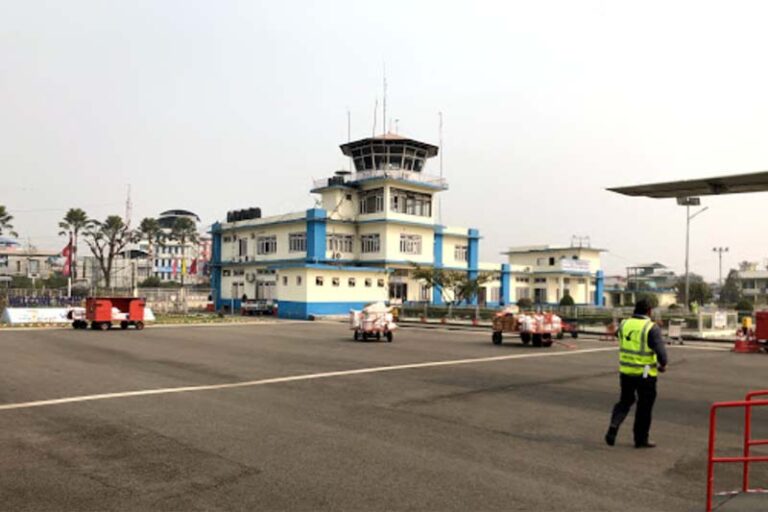
The government has allocated Rs 250 million for Tarigaun Airport in Tulsipur, Dang, for the upcoming fiscal year, marking a significant step toward addressing the long-standing infrastructure limitations that have constrained the airport’s operations for years. The allocation, made under the annual budget of the Ministry of Culture, Tourism, and Civil Aviation of the federal government, signals renewed government commitment to upgrading regional air connectivity in Nepal’s mid-western Tarai region.
What the Budget Will Fund
Member of the House of Representatives (HoR) from Dang-3, Kamal Subedi, explained that the allocated budget will be used to manage land and other infrastructure necessary to extend the airport’s runway to 2,500 metres. This planned extension represents a dramatic expansion from the airport’s current capacity, and would, if completed, fundamentally transform the types of aircraft capable of operating from Tarigaun.

Subedi added that the airport will be upgraded under the government’s multi-year plan, indicating that this fiscal year’s allocation represents an initial phase of a longer-term development process rather than a one-time, standalone investment. He further noted that the airport could not be expanded in the past, as sufficient budget had not been allocated previously, suggesting that funding constraints, rather than technical or planning obstacles, were the primary barrier preventing earlier progress on this long-discussed expansion.
A Runway Too Short for Modern Aviation Demands
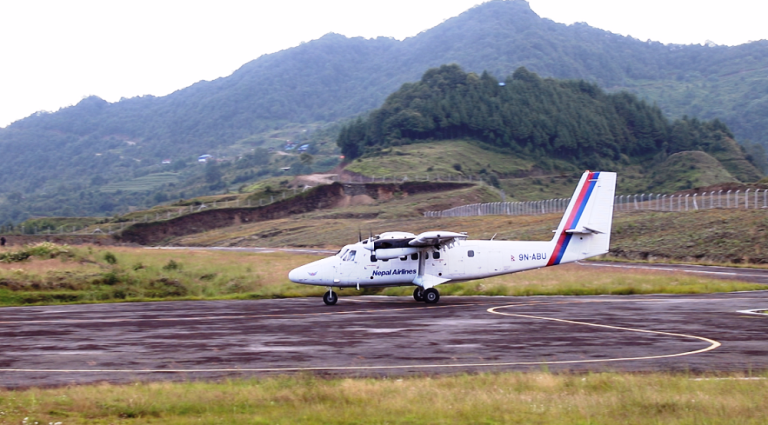
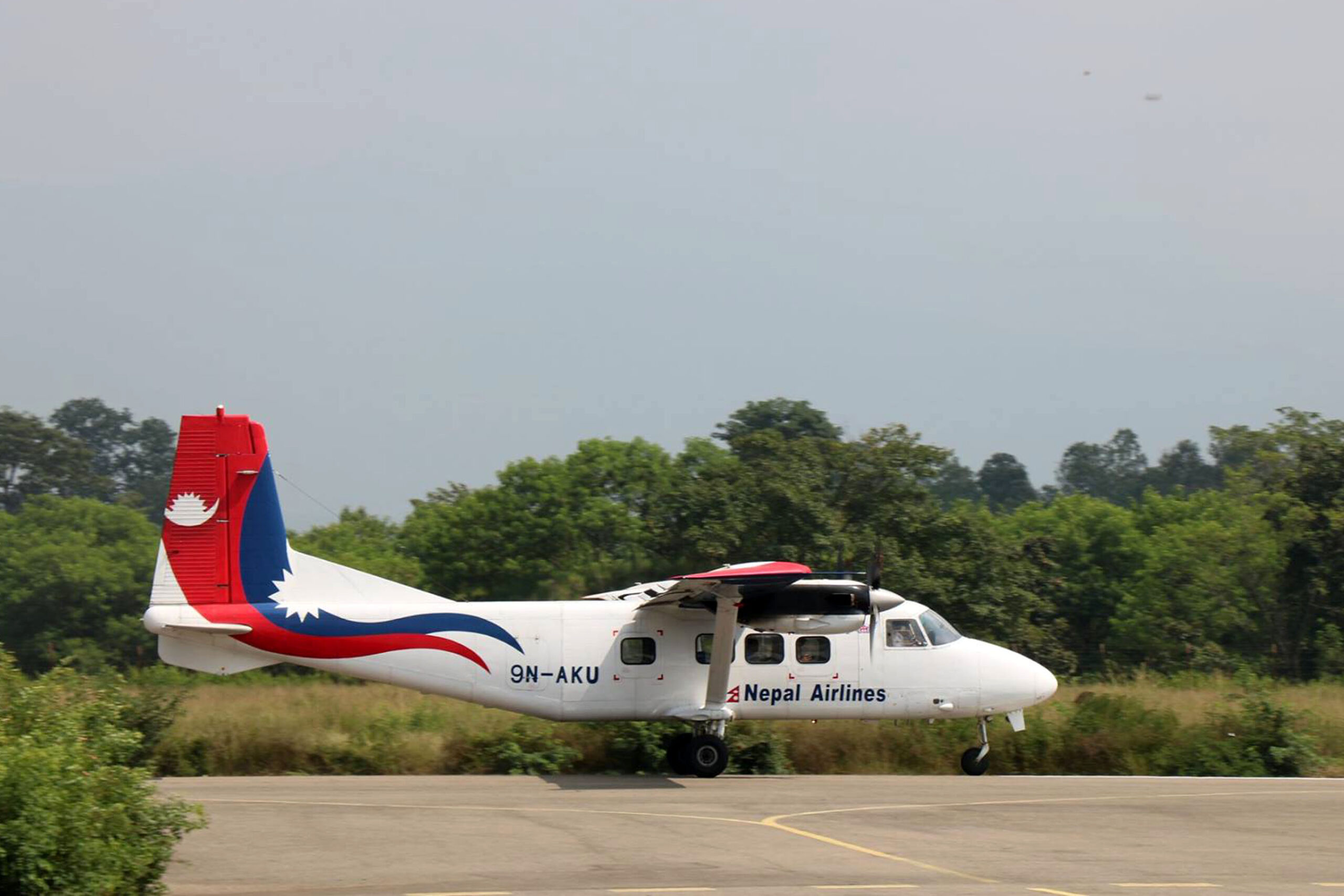
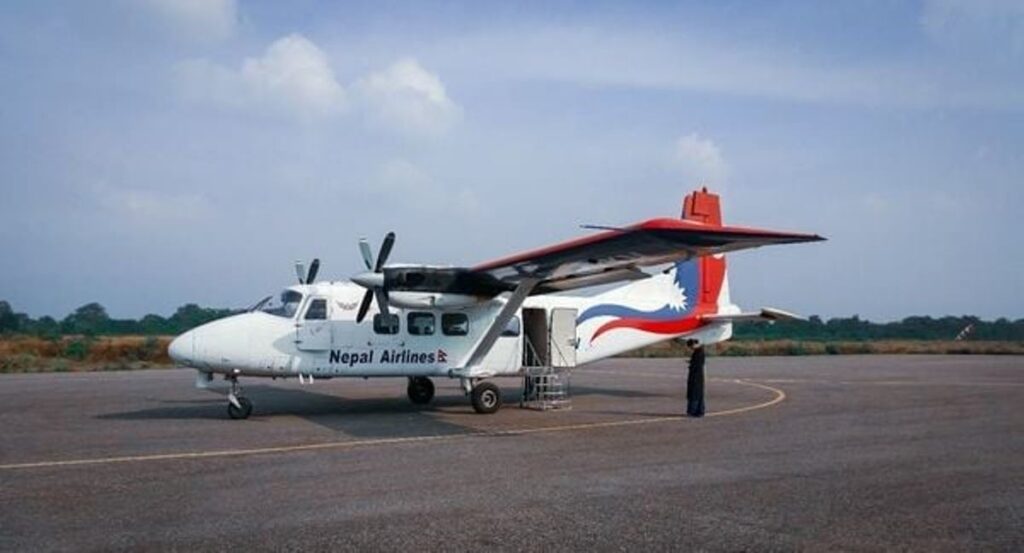
The scale of the challenge facing Tarigaun Airport becomes clear when considering its current infrastructure limitations. Large aircraft cannot land at Tarigaun airport, since the airport’s runway is just 750 metres, a length far too short to accommodate the standard commercial aircraft used on most domestic Nepali routes. Presently, only 19-seater Twin Otter planes land here, and even these limited flights are not regular, according to HoR Member Subedi.
This combination of a short runway and small, infrequent aircraft has meant that Tarigaun has functioned as a marginal airport at best, unable to provide the kind of reliable, scheduled air service that would make it a genuinely useful transportation option for residents of Dang and surrounding districts.
Years of Unfulfilled Calls for Expansion
The current budget allocation arrives after what has been a prolonged and frustrating wait for local stakeholders. Calls for runway expansion were repeatedly made in the past to ensure regular flights and accommodate larger aircraft, but these efforts could not be materialised, leaving the airport’s infrastructure essentially frozen at its current limited capacity for an extended period despite ongoing demand from the local population.
The Real Cost of Limited Connectivity
The practical consequences of Tarigaun’s underdeveloped infrastructure have been borne directly by local residents. Passengers from Dang and the nearby districts have had to travel from Nepalgunj and Bhairahawa airports due to the lack of regular flights from Tarigaun, adding considerable extra travel time, cost, and inconvenience to what would otherwise be a far more straightforward journey if reliable air service existed closer to home.
For residents needing to travel by air for medical emergencies, business, or other urgent purposes, this reliance on distant airports has represented a significant and ongoing burden, one that the current budget allocation aims to begin addressing.

What This Means for Dang and the Wider Region
If successfully implemented, the planned runway extension to 2,500 metres would position Tarigaun Airport to handle considerably larger aircraft than the current Twin Otter services, potentially enabling more regular and reliable flight schedules. This would represent a meaningful improvement in regional connectivity for Dang district and its neighbouring areas, reducing dependence on more distant airports and potentially supporting local economic activity, tourism, and emergency transportation capabilities.
As the project moves forward under the government’s multi-year plan, local stakeholders and elected representatives like HoR Member Subedi are likely to continue monitoring progress closely, given the long history of unfulfilled expansion promises that have characterised Tarigaun Airport’s development to date.