Nepal’s popular Himalayan destination Mustang District witnessed a remarkable tourism boom in June 2026, with a total of 80,253 foreign tourists entering the district, reflecting one of the strongest monthly arrival figures in recent years.
According to data released by the Annapurna Conservation Area Project (ACAP) office in Jomsom, the surge in visitor arrivals was driven overwhelmingly by travelers from SAARC nations, particularly India, highlighting Mustang’s growing importance as both a pilgrimage and adventure tourism destination.
Officials say the significant rise in tourist arrivals has provided a major boost to tourism businesses across Mustang and neighboring districts, benefiting hotels, transportation operators, local businesses, and the wider regional tourism economy.

Majority of Visitors Arrived from SAARC Nations; Indian Tourists Dominate Arrivals
According to Rajesh Gupta, chief of the ACAP Jomsom office, out of the total 80,253 foreign visitors recorded in June 2026, as many as 78,670 tourists arrived from SAARC countries, while 1,583 visitors came from other international destinations. This means 98.02 percent of all foreign tourist arrivals in Mustang during June came from SAARC nations, while only 1.97 percent represented visitors from non-SAARC countries.
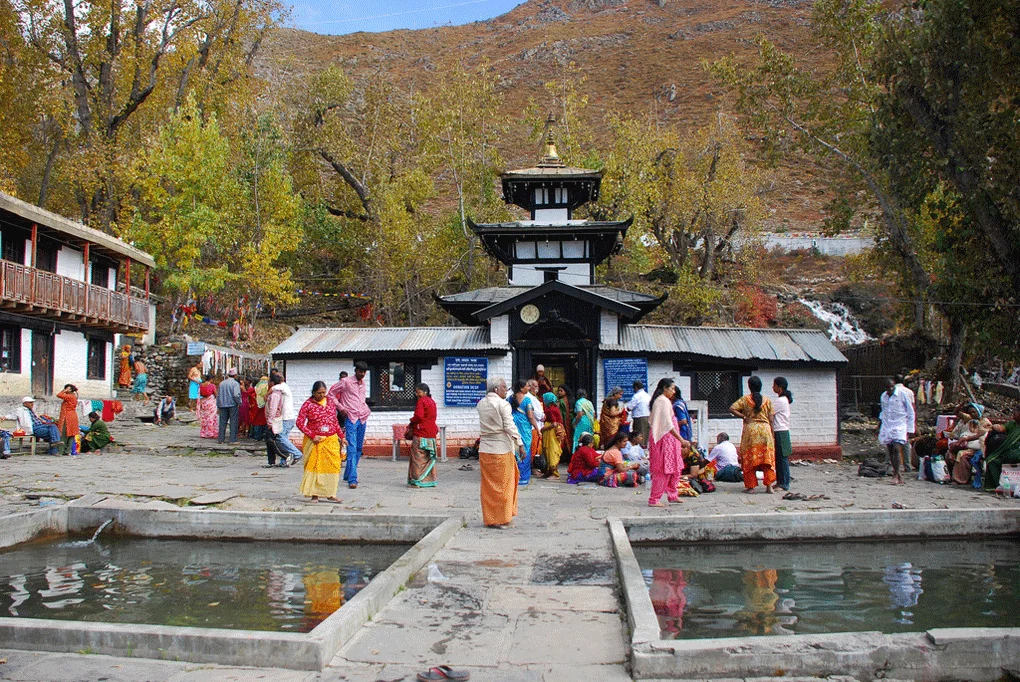
Officials noted that more than 95 percent of total foreign visitors entering Mustang were Indian tourists, confirming the strong and growing role of India as its dominant tourism source market. The majority of Indian visitors continue to travel primarily for religious pilgrimage purposes, especially to visit the sacred Muktinath Temple, one of the most significant pilgrimage destinations for both Hindu and Buddhist devotees.
Tourist Arrivals Show Massive Growth Compared to Last Year
The latest figures indicate a dramatic increase in visitor arrivals compared to the same period last year. In June 2025, it recorded only 20,868 foreign tourist arrivals, including 19,649 visitors from SAARC countries and 1,209 visitors from other nations.
By comparison, June 2026 recorded an increase of 59,395 additional foreign tourists, representing one of the strongest year-on-year tourism growth rates for the district. Tourism officials say the reopening of travel markets, improved road connectivity, and rising cross-border religious tourism from India have played a major role in driving this exceptional growth.
Monthly Arrivals Continue Upward Trend Compared to May 2026
Tourist arrivals in Mustang have also shown strong month-on-month growth. In May 2026, the district recorded 65,994 foreign tourist arrivals, including 61,798 SAARC visitors and 4,196 tourists from non-SAARC countries.
The June total of 80,253 visitors therefore reflects a substantial increase within a single month, further confirming the start of a strong peak tourism period for the Himalayan district. Industry observers say Mustang is increasingly emerging as one of Nepal’s fastest-growing tourism destinations due to improved accessibility and growing interest in religious tourism circuits.
More Than 222,000 Foreign Tourists Visit Mustang in First Six Months of 2026
Data from the Annapurna Conservation Area Project shows that between January and June 2026, a total of 222,992 foreign tourists visited Mustang during the first six months of the year. Of these, 208,011 visitors came from SAARC nations, while 14,981 tourists arrived from other international markets.
This marks a dramatic improvement compared to the same six-month period in 2025, when Mustang had recorded only 98,481 foreign tourist arrivals. The year-on-year comparison shows an increase of 124,511 additional foreign visitors in just the first half of 2026, signaling extraordinary tourism growth in the district.
Indian Pilgrimage Tourism Driving Regional Tourism Economy
According to ACAP officials, Indian tourists account for more than 95 percent of all foreign arrivals entering Mustang in 2026, making India by far the district’s largest tourism source market. Officials say large numbers of Indian pilgrims travel to Mustang primarily for religious visits to Muktinath Temple, with nearly 50 percent of Indian tourists arriving using private vehicles directly from India.
The growing influx of pilgrims is not only benefiting Mustang but is also generating strong tourism activity across neighboring districts including Myagdi District, Baglung District, and Pokhara, where hotels and tourism businesses are reportedly experiencing high occupancy rates. Tourism entrepreneurs say the increase in Indian religious tourism has become one of the strongest contributors to western Nepal’s tourism recovery in 2026.
International Adventure Tourists Continue Arriving Through Annapurna Circuit
While Indian tourists dominate religious travel, international visitors from other countries continue to enter Mustang mainly for trekking and adventure tourism activities. According to tourism officials, many international trekkers travel to Mustang via the world-famous Annapurna Circuit Trek, entering through Manang District before continuing toward Mustang.

Other international travelers arrive through the Pokhara Jomsom Air Route and the Beni–Jomsom road corridor connecting the Himalayan district with lower regions. However, according to the ACAP Lo Manthang office, only around 3 percent of total visitors entering Mustang travel onward to Upper Mustang, indicating significant untapped tourism potential in the restricted Himalayan region.
Mustang Emerging as One of Nepal’s Fastest Growing Tourism Destinations
Tourism experts say the latest data confirms Mustang’s growing strategic importance within Nepal’s tourism industry. The district’s unique combination of religious tourism centered around Muktinath, Himalayan adventure tourism, trekking routes, cross-border road accessibility, and cultural heritage attractions is increasingly attracting both regional and international travelers.
Industry stakeholders believe continued infrastructure improvements, better destination management, and expanded tourism services could further strengthen Mustang’s position as one of Nepal’s most dynamic tourism destinations in the coming years.