China’s reported decision to continue restricting foreign mountaineering expeditions to Cho Oyu and Shishapangma from the Tibetan side through 2026 is emerging as a significant development for the international Himalayan tourism industry. The two mountains are among the world’s 14 peaks above 8,000 meters and attract experienced climbers, expedition companies, guides and high-altitude support teams from around the world. The continued restrictions are now affecting not only individual mountaineers but also the wider network of businesses that support high-altitude adventure travel. Expedition operators in Kathmandu have reportedly begun cancelling pre-booked 2026 programs, highlighting how decisions over mountain access can have a direct impact on tourism planning, investment and international visitor flows.
Two iconic 8,000-metre mountains remain out of reach
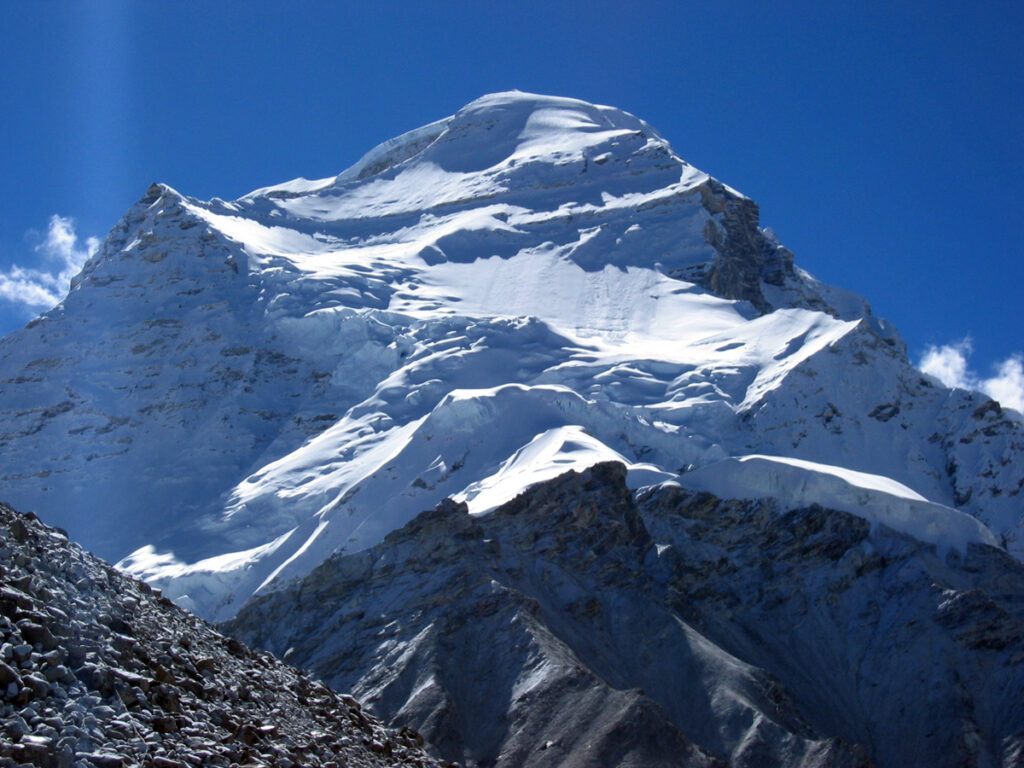
Cho Oyu, at 8,188 metres, and Shishapangma, at 8,027 metres, occupy a particularly important position in the global mountaineering industry. Both mountains lie in Tibet and are normally approached from the Chinese-controlled side, meaning foreign climbers require the necessary permissions and access arrangements before an expedition can take place. Their relatively established climbing routes have made them significant objectives for experienced mountaineers, particularly those attempting to complete all 14 of the world’s 8,000-metre peaks.

The reported continuation of the restrictions through the 2026 climbing season therefore represents more than a temporary inconvenience for climbers. For international adventure-tourism companies, an expedition to an 8,000-metre mountain involves months of preparation, bookings, specialist equipment, transportation, guides, accommodation, insurance and high-altitude logistics. When access is withdrawn, the consequences can extend across the entire tourism supply chain, leaving operators with cancelled itineraries and travellers with major changes to carefully planned climbing schedules.
Kathmandu expedition operators face mounting uncertainty
The developments are particularly relevant to Nepal’s tourism industry because Kathmandu serves as one of the world’s major centres for Himalayan expedition tourism. International climbers regularly use the capital to organise logistics, purchase or rent mountaineering equipment, arrange guides and support staff, complete travel preparations and connect with expedition companies before heading into the mountains.
According to the information provided, expedition companies in Kathmandu have already faced cancellations involving pre-booked 2026 trips to Cho Oyu and Shishapangma. Such cancellations can affect more than the expedition companies themselves. Hotels, restaurants, transport providers, equipment shops, trekking and climbing guides, logistics companies and other tourism businesses that depend on international adventure travellers can also feel the effects when planned expeditions are postponed or abandoned.
The restrictions threaten 14 Peaks campaigns
The situation is especially serious for climbers pursuing the prestigious 14 Peaks challenge, which involves reaching the summit of every mountain above 8,000 metres. The list includes eight peaks in Nepal, while the remaining mountains are spread across Pakistan, Tibet and other parts of the Himalayan and Karakoram ranges.
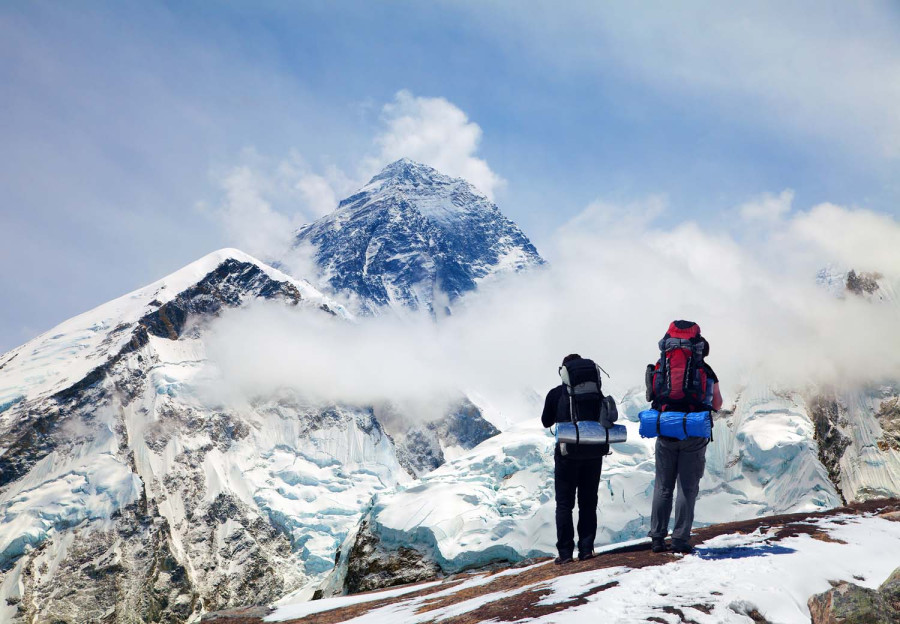
Many climbers attempting the challenge organise their expeditions over several years, gradually completing different mountains according to climbing seasons, weather conditions and permit availability. Some have reportedly already climbed 12 of the 14 eight-thousanders, with Cho Oyu and Shishapangma among the final objectives remaining. The continued restrictions could therefore leave these mountaineers unable to complete their campaigns despite having invested years of preparation and substantial financial resources.
For the adventure-tourism sector, this creates a particularly unusual situation: demand for the mountains may still exist, but access restrictions prevent that demand from being converted into actual tourism activity. Expedition companies cannot simply guarantee alternative dates when the opening of the climbing routes remains uncertain.
Controversy surrounding the 2025 fireworks event
The current restrictions follow controversy surrounding a fireworks and art event staged near Shigatse in September 2025 by outdoor brand Arc’teryx and artist Cai Guo-Qiang. The event attracted significant criticism and became a source of debate over commercial activity and environmental sensitivity in the high-altitude Himalayan region.
The controversy was followed by increased scrutiny of organisations involved in the administration of mountaineering activities and expedition permits in Tibet. According to the information provided, Chinese authorities subsequently jailed several officials associated with the China-Tibet Mountaineering Association and the Tibetan Sports Bureau over corruption allegations linked to expedition permits. These developments have contributed to uncertainty surrounding the regulatory environment for foreign climbing expeditions.
Why the issue matters to Himalayan tourism
Mountaineering is not simply a sporting activity; it is an important component of high-value adventure tourism. International climbers typically spend considerably on permits, expedition packages, guides, equipment, accommodation, transport, insurance and support services. A single expedition can therefore generate economic activity across several destinations and communities.
This makes restrictions on major 8,000-meter peaks relevant to the wider tourism economy. When an expedition is cancelled, the financial impact can spread from the mountain itself to the cities and communities that provide services before, during and after the climb. For Nepal, where mountaineering has become a globally recognized part of the country’s tourism identity, developments affecting major Himalayan climbing routes are particularly significant.
Nepal could gain alternative adventure-tourism opportunities
Although the restrictions may create difficulties for Kathmandu-based operators whose clients were specifically targeting Tibetan peaks, the situation could also create opportunities for Nepal’s own adventure-tourism destinations. Nepal offers eight of the world’s 14 mountains above 8,000 metres, alongside numerous trekking peaks and technically demanding climbing routes.
International climbers who are unable to pursue their original Tibetan itinerary may consider alternative expeditions in Nepal, depending on their objectives, experience and climbing schedules. Peaks such as Everest, Lhotse, Makalu, Manaslu, Dhaulagiri and Annapurna, together with Nepal’s numerous permitted climbing peaks, provide a wide range of mountaineering opportunities. This could strengthen demand for Nepal-based guides, expedition agencies, accommodation providers, transport operators and equipment suppliers.
However, Nepal cannot completely replace the two restricted mountains for climbers seeking to complete the specific 14 Peaks list. Cho Oyu and Shishapangma are unique objectives, and postponing them cannot be solved simply by climbing another mountain. Consequently, some climbers may choose to remain in Nepal for alternative expeditions while waiting for access to Tibet to reopen.
A challenge for international adventure-tourism planning
The situation also highlights the vulnerability of the international mountaineering business to government regulations, border controls, permit decisions and geopolitical developments. Unlike conventional tourism, high-altitude expeditions require long-term planning because climbing seasons are limited and preparation can begin many months before a summit attempt.
For expedition companies, uncertainty over whether permits will be issued makes it difficult to confidently sell future programs. International clients also face the possibility of losing deposits, rearranging flights and accommodation, rescheduling support teams or changing their entire climbing strategy. As a result, predictable access to major mountains is an important factor in maintaining a stable adventure-tourism market.
Potential impact on Nepal’s tourism ecosystem
The repercussions could extend well beyond mountaineering companies. International expedition members typically spend time in Kathmandu before and after their climbs, creating demand for hotels, restaurants, transportation, equipment retailers, travel agencies and other tourism services. When a major expedition is cancelled, that associated visitor spending can disappear as well. At the same time, Nepal’s strong reputation as a Himalayan adventure destination allows the country to position itself as a reliable base for international mountaineering. Stable regulations, efficient permit procedures, experienced guides, established expedition infrastructure and improved tourism services could help Nepal attract climbers whose plans are being disrupted elsewhere.
What happens next for climbers and operators
The immediate priority for international mountaineers and expedition companies will be to monitor official decisions concerning foreign climbing permits and access to Cho Oyu and Shishapangma. Until clear arrangements are announced, operators are likely to remain cautious about accepting new bookings or confirming fixed expedition schedules for the Tibetan side. For climbers who have already completed most of the 14 Peaks, the uncertainty could mean waiting another season or restructuring their plans. For Nepal-based expedition companies, meanwhile, the coming months could be important in determining whether affected climbers shift their attention toward Nepal’s own mountains and other adventure-tourism products.

A major development for Himalayan adventure tourism
The reported continuation of the restrictions on Cho Oyu and Shishapangma demonstrates how closely mountaineering, tourism and government policy are interconnected. The closure of two major 8,000-meter objectives can influence international travel plans, expedition businesses and tourism revenue far beyond the mountains themselves.
For Nepal, the development presents both a challenge and a potential opportunity. While some Kathmandu-based operators may lose business from cancelled Tibetan expeditions, Nepal’s extensive mountain network and established expedition infrastructure could allow the country to attract a portion of the displaced adventure-travel demand. If international climbers increasingly look toward Nepal while waiting for access to Tibet, the country could further strengthen its position as a global hub for Himalayan mountaineering and high-value adventure tourism.