The government has announced an ambitious plan to establish five major integrated wellness centres across Nepal by 2035 as part of a long-term strategy to position the country as a leading global wellness tourism destination. The initiative forms a key component of the government’s result-based 100-point action plan unveiled on March 27 to strengthen good governance, accelerate economic growth, and promote sustainable tourism development.
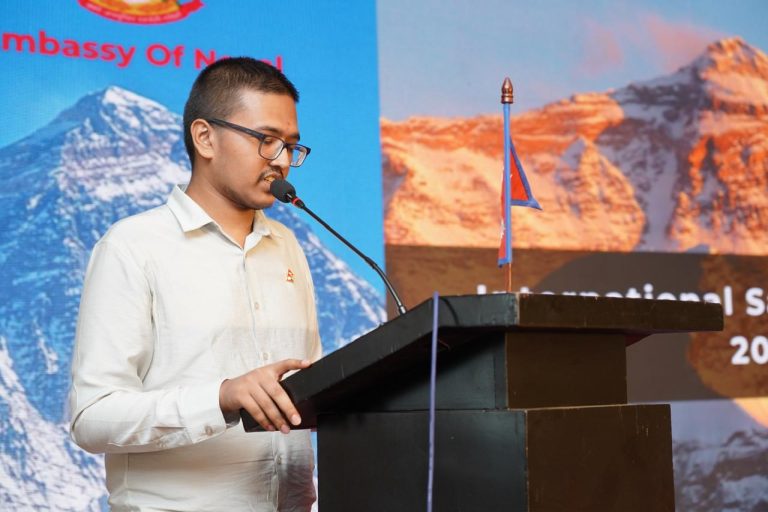
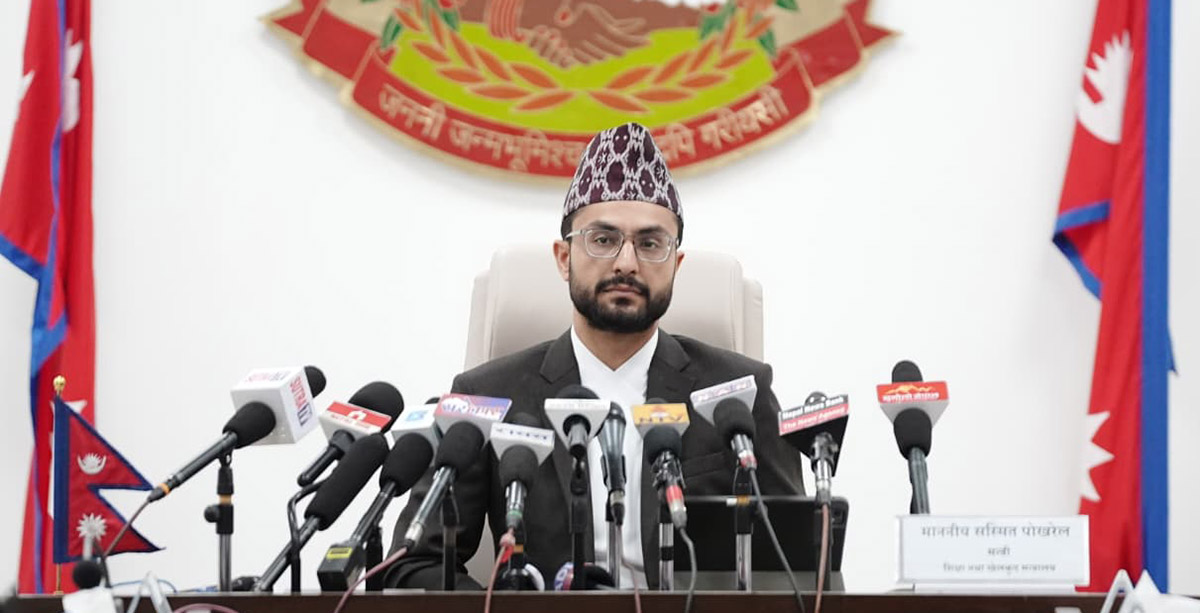
Government Spokesperson and Minister for Education and Sports, Sasmit Pokharel, highlighted the initiative while presenting the government’s achievements during its first 100 days at a press conference held at the Office of the Prime Minister and Council of Ministers in Singha Durbar on Saturday.

National Wellness Tourism Strategy Launched
Minister Pokharel said the government has already launched the National Wellness Tourism Strategy (2026–2035) along with its Action Plan (2026–2030) under the vision “Wellness Tourism Destination Nepal: A Foundation for Economic Prosperity.” The strategy seeks to transform Nepal into a globally competitive destination for wellness tourism by leveraging the country’s natural beauty, traditional healing practices, yoga, meditation, Ayurveda, spiritual heritage, and mountain environment. Under the strategy, the government aims to increase the share of wellness travellers to 11 percent of Nepal’s total international tourist arrivals by 2030, creating new opportunities for investment, employment, and regional development.
Five Integrated Wellness Centres Planned
As part of the long-term vision, the government plans to develop five integrated wellness centres across different regions of the country by 2035. These centres are expected to combine wellness services, nature-based tourism, traditional healing systems, meditation, yoga, and modern health facilities to attract both domestic and international visitors seeking holistic travel experiences. The initiative is expected to diversify Nepal’s tourism offerings beyond adventure and mountaineering while extending tourist stays and increasing tourism revenue.
UN Recognition for World Wellness Day
Minister Pokharel also noted that, following Nepal’s proposal, the United Nations General Assembly has designated April 15 as World Wellness Day. The government plans to celebrate the occasion nationwide through awareness campaigns and promotional programmes aimed at encouraging healthy lifestyles while strengthening Nepal’s international identity as a wellness tourism destination.

Tourism Infrastructure Development Gains Momentum
The government reported significant progress in tourism infrastructure planning during its first 100 days. Feasibility studies have been completed for several major tourism destinations, including:
- The Koshi River Corridor in Udayapur District
- Ramaroshan in Achham District
- Badimalika in Bajura District
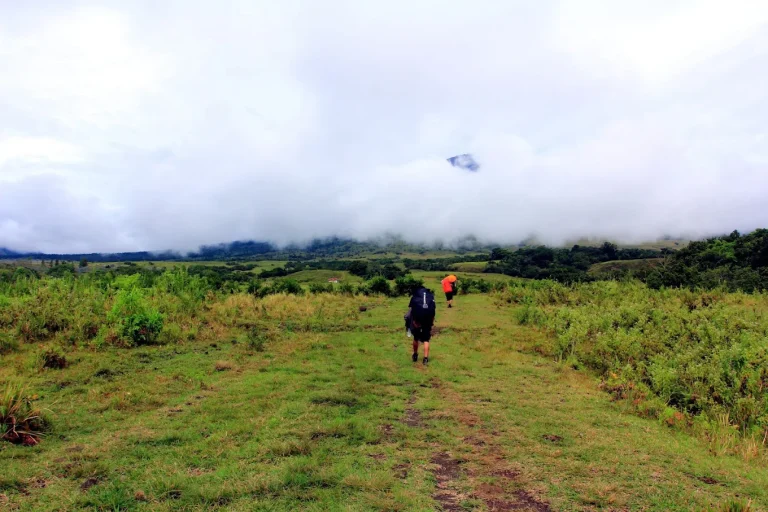
- Api Himal Trekking Route
- Dordi Himal Trekking Route
These projects are expected to improve tourism infrastructure, promote regional tourism, and generate economic opportunities for local communities.
Institutional Reforms in Tourism Education
As part of broader institutional reforms, the government has approved the Nepal Tourism, Hotel and Mountain Academy Development Committee (Formation Order), 2082 BS. The new framework integrates the Nepal Academy of Tourism and Hotel Management (NATHM) and the Nepal Mountain Academy into a single institution, aiming to strengthen tourism education, hospitality training, and mountain tourism research under one umbrella. Officials believe the merger will improve coordination, enhance the quality of training, and better prepare skilled human resources for Nepal’s growing tourism industry.
Ram Janaki Temple Conservation Nears Completion
The government also announced that the process of declaring the historic Ram Janaki Temple in Dhanusha as a protected monument area has entered its final stage. Boundary demarcation and legal procedures are nearing completion, a move expected to strengthen heritage conservation while promoting religious and cultural tourism.
Digital Transformation of Tourism Services
In another major reform, the government has accelerated the digitalization of tourism-related services. According to Minister Pokharel, mountaineering permit applications, revenue payments, permit issuance, debriefing reports, certificates, and several hotel and casino-related services are now being digitized to improve efficiency, transparency, and ease of access. The government has also drafted the Domestic Air Service Liability Bill, 2083 BS, while introducing an online ticketing system for all domestic airlines operating in Nepal to ensure greater transparency, predictability, and convenience for travelers.

Pokhara International Airport Set for New International Flights
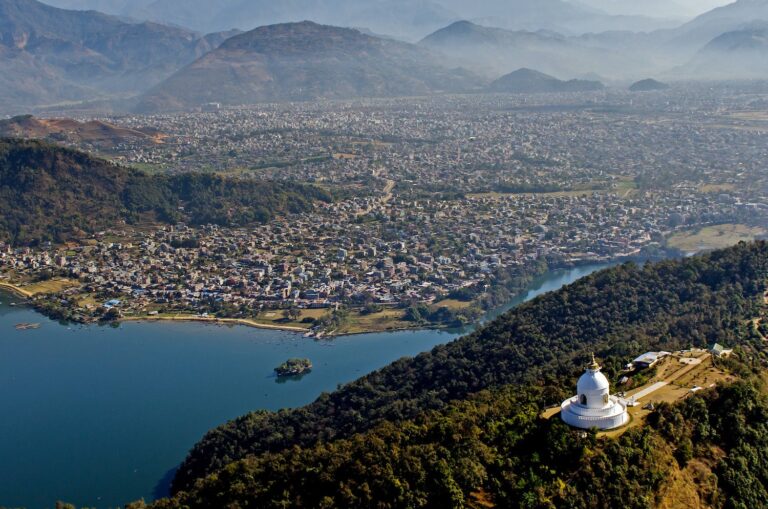
The government announced that flydubai, the Emirati government-owned airline, has received approval for its summer and winter flight schedules. The approval paves the way for regular international flights to Pokhara International Airport beginning in September, a development expected to enhance the airport’s international connectivity and support tourism growth in western Nepal.
Electric Buses Introduced at Regional Airports
To improve airport connectivity and promote environmentally friendly transportation, the government has deployed electric buses at several regional airports. One electric bus each has been introduced at Nepalgunj, Surkhet, and Dhangadhi airports, while two electric buses have been deployed at Lumbini International Airport. The initiative aims to provide improved transport services, particularly benefiting passengers traveling to and from Karnali and Sudurpaschim provinces.
Tourism Identified as a Key Driver of Economic Growth
Presenting the government’s 100-day achievements, Minister Pokharel emphasized that tourism remains one of the government’s priority sectors for achieving sustainable economic development. With new wellness tourism initiatives, infrastructure expansion, digital reforms, heritage conservation, and improved international connectivity, the government hopes to strengthen Nepal’s position as a diverse, competitive, and globally recognized tourism destination over the coming decade.