The Annapurna Conservation Area emerged as Nepal’s most popular trekking destination in 2025, attracting 313,549 tourists, according to data under the experiential trekking and destination diversification category. The Sagarmatha National Park, home to the world-famous Everest Base Camp trekking route, ranked second with 47,524 visitors.
The data highlight the continued dominance of Nepal’s two iconic trekking regions while also reflecting growing interest in alternative destinations such as Langtang, Manaslu, Makalu and Shey Phoksundo. The data indicate that Nepal’s trekking tourism remains heavily concentrated in a few established destinations. However, the growing popularity of less crowded and more remote trekking areas demonstrates increasing opportunities for destination diversification and the development of new experiential tourism products.
Annapurna Leads Nepal’s Trekking Destinations
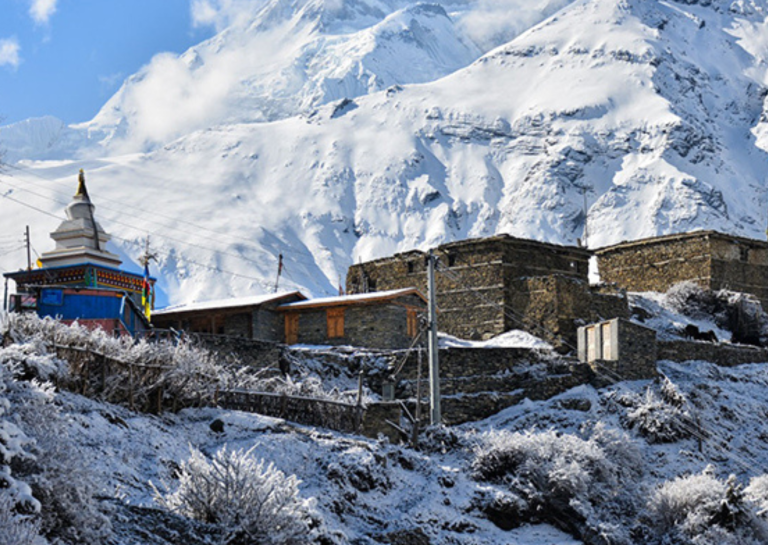
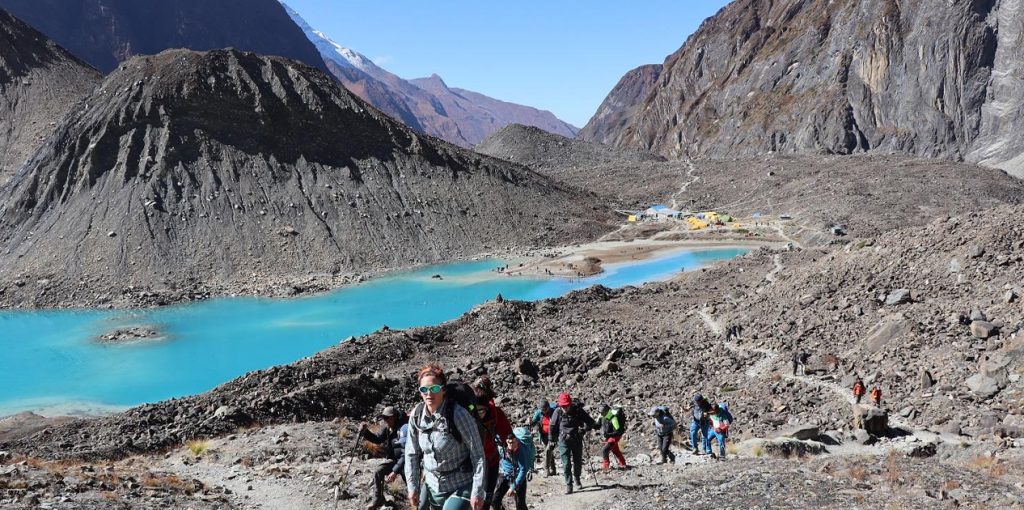
With 313,549 visitors, the Annapurna Conservation Area recorded the highest number of tourists among the destinations listed for 2025. The Annapurna region is renowned for its extraordinary geographical and cultural diversity. Trekkers can experience subtropical landscapes, dense forests, traditional mountain settlements, high-altitude deserts and spectacular Himalayan scenery within a single broader trekking region.
The region offers several internationally popular routes, including the Annapurna Circuit, Annapurna Base Camp, Mardi Himal, Ghorepani–Poon Hill and Khopra Danda treks. The availability of routes of varying lengths and difficulty levels has helped make Annapurna accessible to a wide range of visitors.
The region’s strong tourism performance also reflects the appeal of combining mountain scenery with cultural encounters and relatively well-developed trekking infrastructure. The Annapurna Circuit is particularly known for its dramatic change in landscape and high mountain pass experience, while the Annapurna Base Camp trek offers close views of the Annapurna massif and Machhapuchhre.
Sagarmatha Continues to Attract Everest-Bound Trekkers
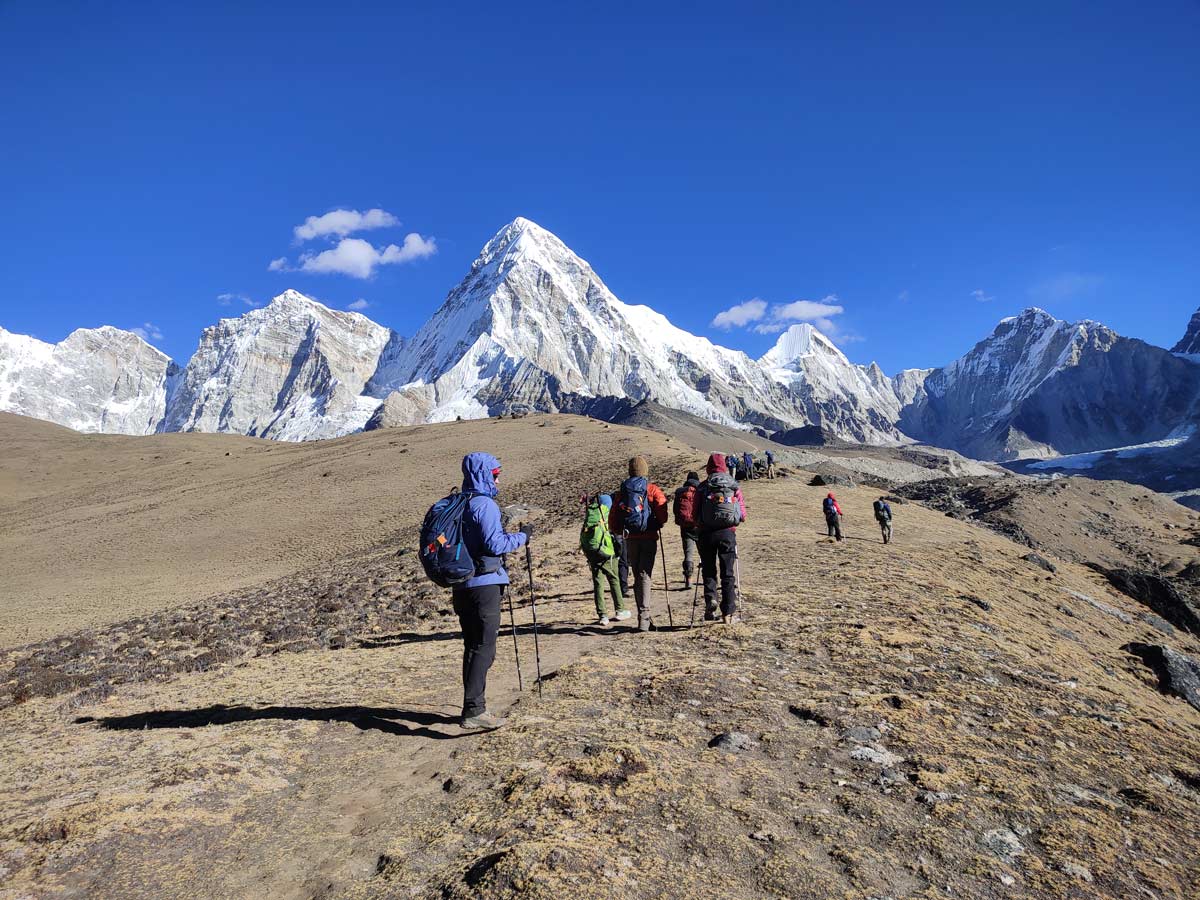
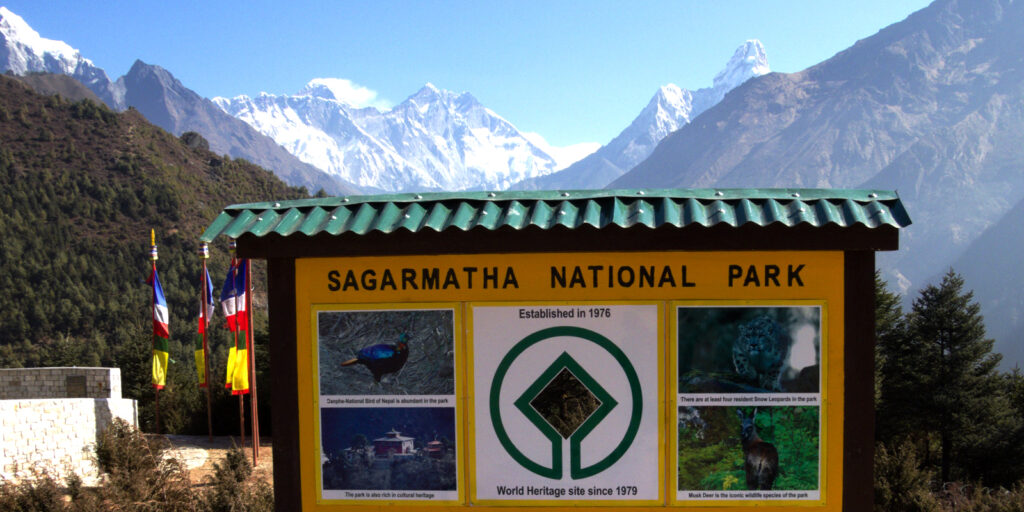
The Sagarmatha National Park welcomed 47,524 visitors in 2025, making it the second most visited trekking destination in the data. The Everest region remains one of the most recognised trekking destinations in the world. The Everest Base Camp trek is the primary attraction, taking visitors through the Khumbu Valley and Sherpa settlements toward the base of Mount Everest.
The journey offers more than mountain views. Trekkers experience Sherpa culture, Buddhist monasteries, high-altitude landscapes and iconic viewpoints such as Namche Bazaar, Tengboche and Kala Patthar. The region also offers other popular routes, including the Gokyo Valley trek and the Everest Three High Passes trek. Its global reputation and association with the world’s highest mountain continue to make Sagarmatha one of Nepal’s strongest tourism brands.
Shivapuri National Park Ranks Third
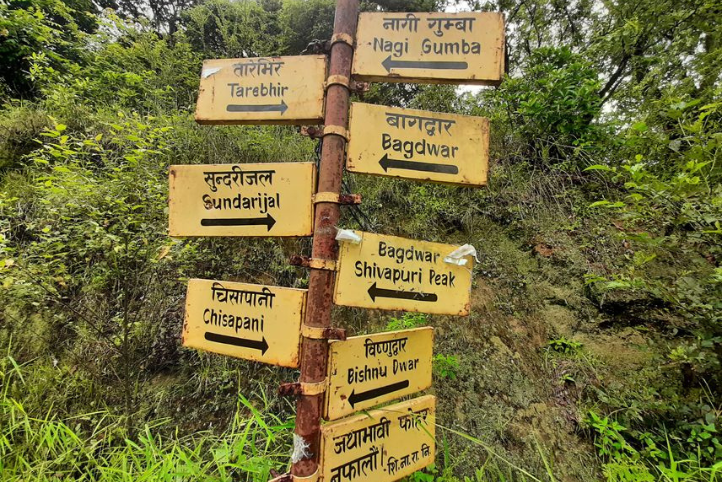
With 11,806 visitors, Shivapuri National Park ranked third among the listed destinations. Its proximity to Kathmandu gives it a major advantage. The park offers short hiking and trekking experiences within easy reach of the capital, making it suitable for visitors with limited time.
The area provides opportunities to experience forests, mountain views, biodiversity and cultural sites without undertaking a long Himalayan expedition. Its performance demonstrates the importance of accessible nature-based tourism and short-duration trekking products in diversifying Nepal’s tourism offerings.
Manaslu Gains Ground as an Alternative Himalayan Destination
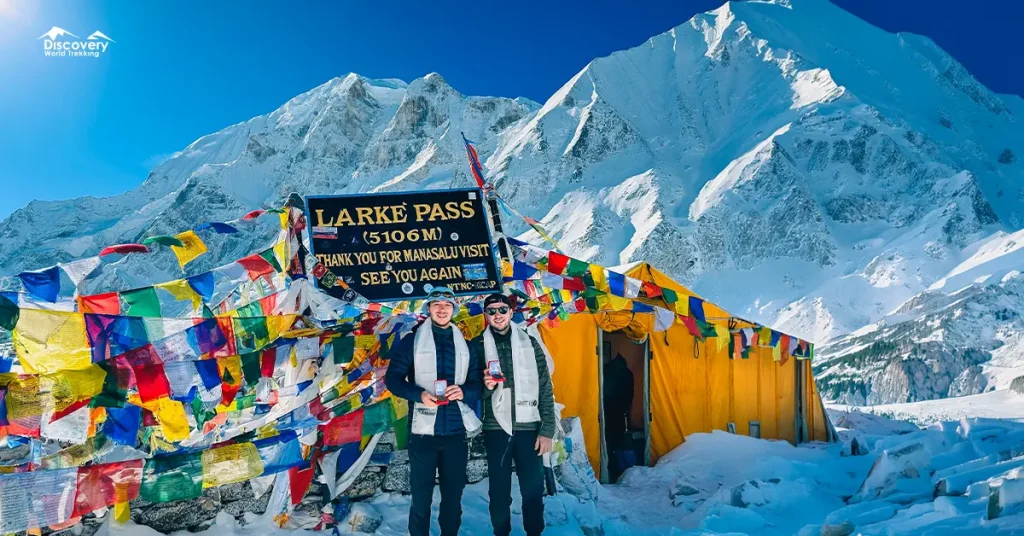
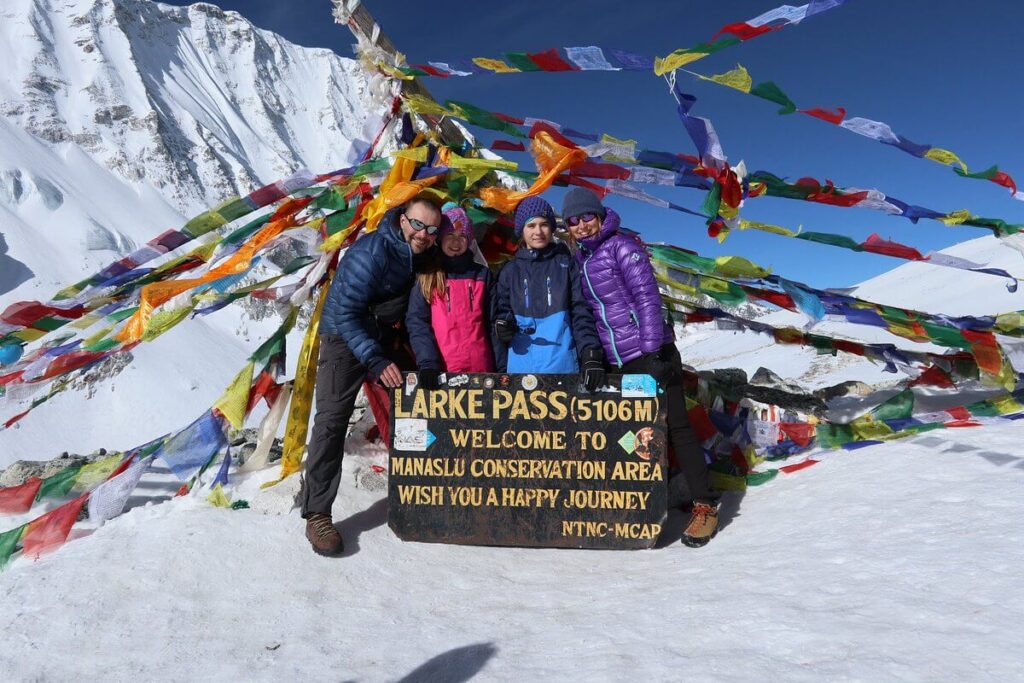
The Manaslu Conservation Area attracted 10,752 visitors in 2025. The Manaslu Circuit has increasingly become one of Nepal’s most sought-after alternatives to the more crowded Annapurna and Everest routes. The trek circles Mount Manaslu, the world’s eighth-highest mountain, and combines dramatic Himalayan scenery with remote villages, Buddhist monasteries and culturally rich settlements.
The route is known for its challenging terrain and high-altitude Larkya La Pass. Its appeal lies in the combination of adventure, wilderness and cultural immersion. The increasing number of visitors to Manaslu indicates growing demand for less-commercialised and more immersive trekking experiences. The region has become particularly attractive to experienced trekkers seeking a longer and more challenging journey.
Langtang Remains a Strong Choice for Shorter Himalayan Treks
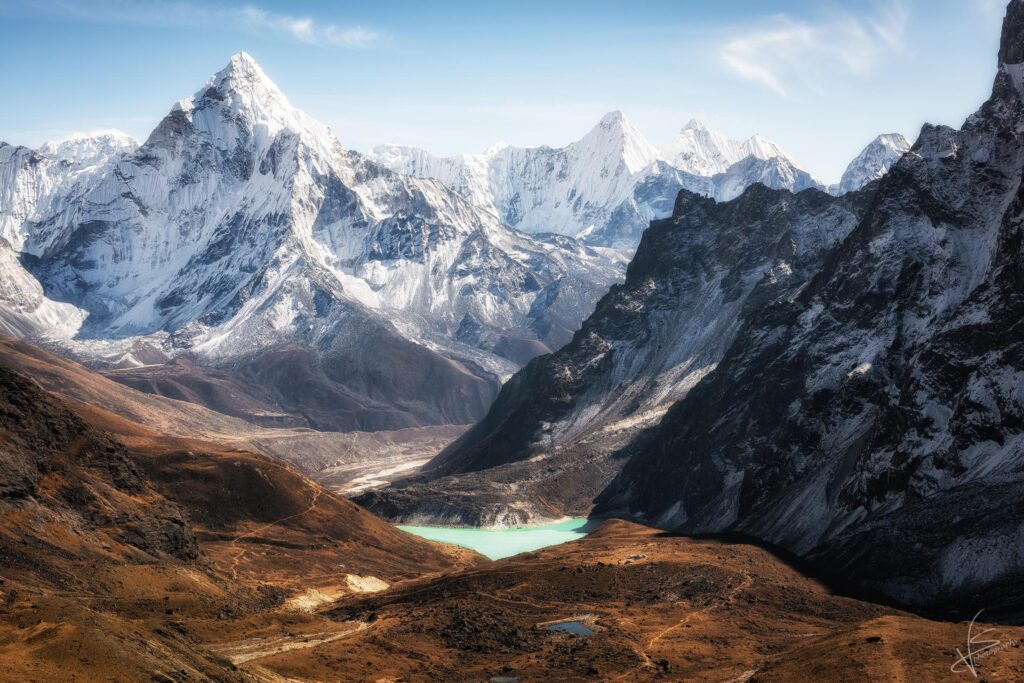
The Langtang National Park recorded 10,637 visitors in 2025. Located relatively close to Kathmandu, the Langtang region is one of Nepal’s most accessible high-altitude trekking destinations. The Langtang Valley trek takes visitors through forests, mountain villages, alpine landscapes and areas influenced by Tibetan and Tamang cultures.
The region is also known for the Gosaikunda area, which holds religious significance for both Hindu and Buddhist pilgrims. Langtang’s combination of accessibility, natural beauty and cultural heritage makes it an important destination for trekkers seeking a Himalayan experience without travelling as far as the Everest or Annapurna regions.
Makalu-Barun Offers Remote Wilderness Experience
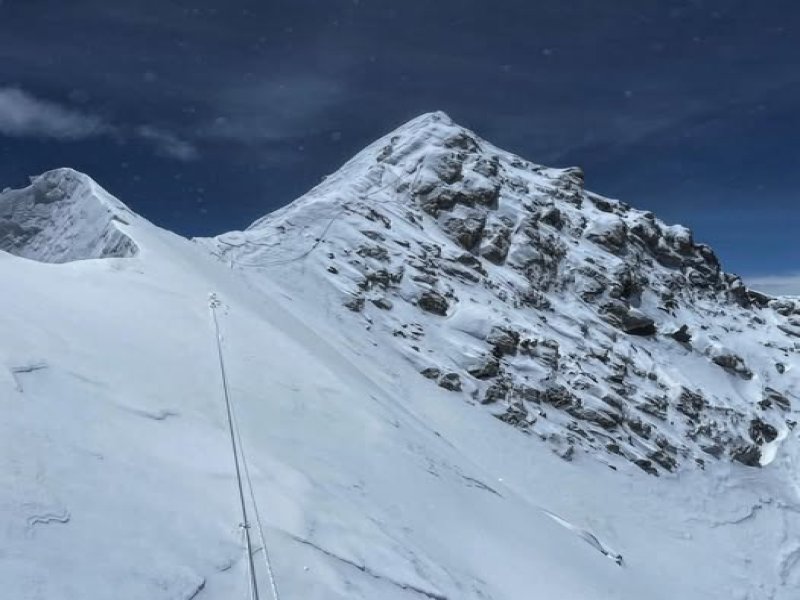
The Makalu-Barun National Park and Conservation Area welcomed 2,118 visitors in 2025. The region is known for its remote landscapes and spectacular views of Mount Makalu, the world’s fifth-highest mountain. The Makalu Base Camp trek is considered one of Nepal’s more demanding trekking journeys.
The route passes through a remarkable range of landscapes, from lower-elevation forests and rural settlements to high-altitude Himalayan terrain. Its relatively low visitor numbers compared with Annapurna and Everest also contribute to its appeal among trekkers looking for solitude and wilderness.
Gaurishankar Provides an Emerging Trekking Experience
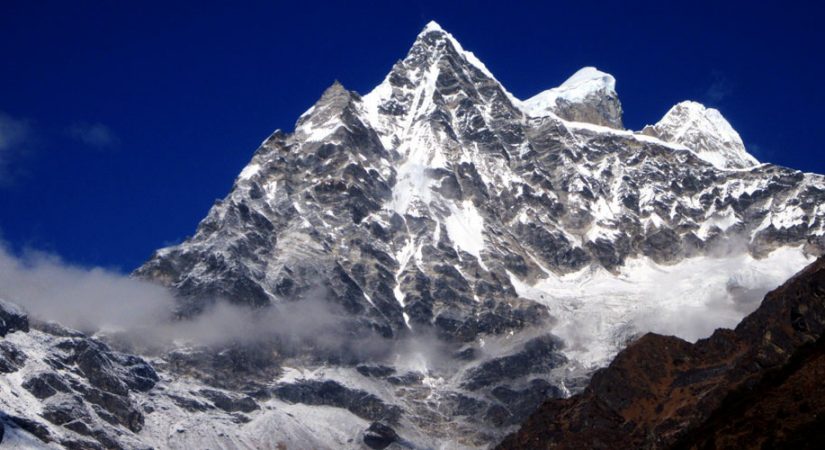
Gaurishankar Conservation Area recorded 1,677 visitors in 2025. The conservation area is known for its diverse ecosystems, mountain landscapes and cultural heritage. It offers opportunities to explore less crowded Himalayan trails and traditional communities.
Its location and potential connectivity with other trekking and cultural destinations make it a promising area for destination diversification. Increased promotion, improved infrastructure and the development of well-designed trekking products could help attract more visitors to the region.
Shey Phoksundo Attracts Visitors to Nepal’s Remote West
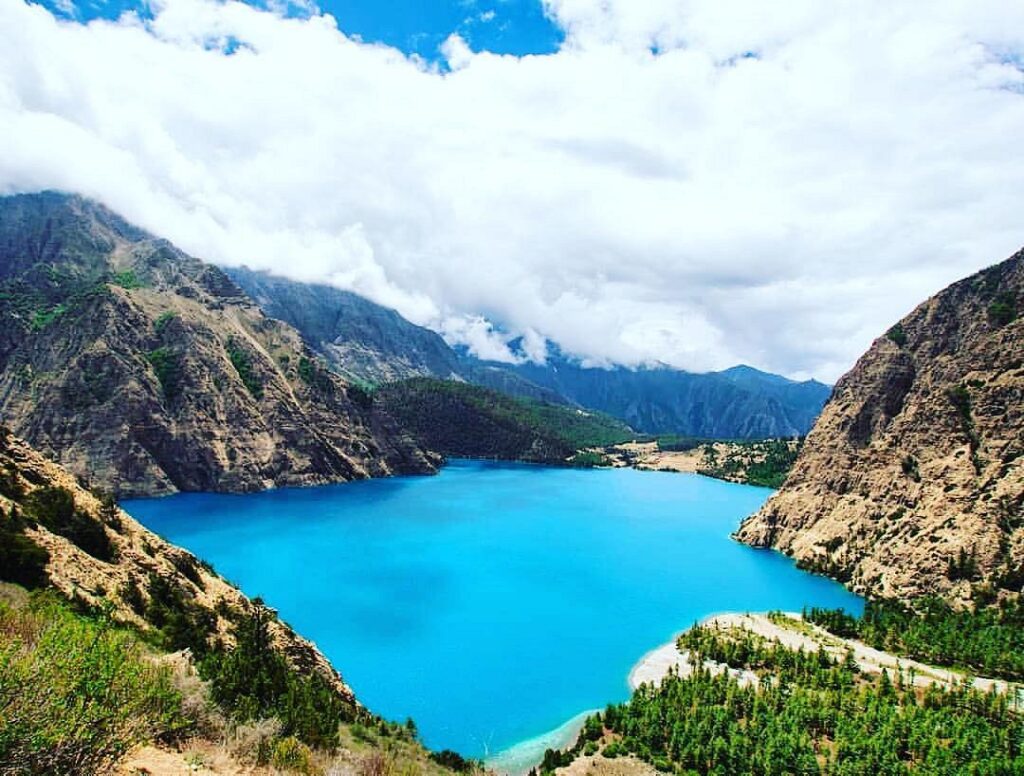
Shey Phoksundo National Park welcomed 1,473 visitors in 2025. The region is famous for Phoksundo Lake, one of Nepal’s most spectacular high-altitude lakes, and for its remote Himalayan landscapes. The Shey Phoksundo trek takes visitors through rugged terrain, traditional settlements and culturally distinctive areas of Dolpo.
The destination offers a distinctly different experience from Nepal’s more commercialised trekking routes. Its remoteness, unique culture and dramatic landscapes make it a strong candidate for high-value experiential tourism.
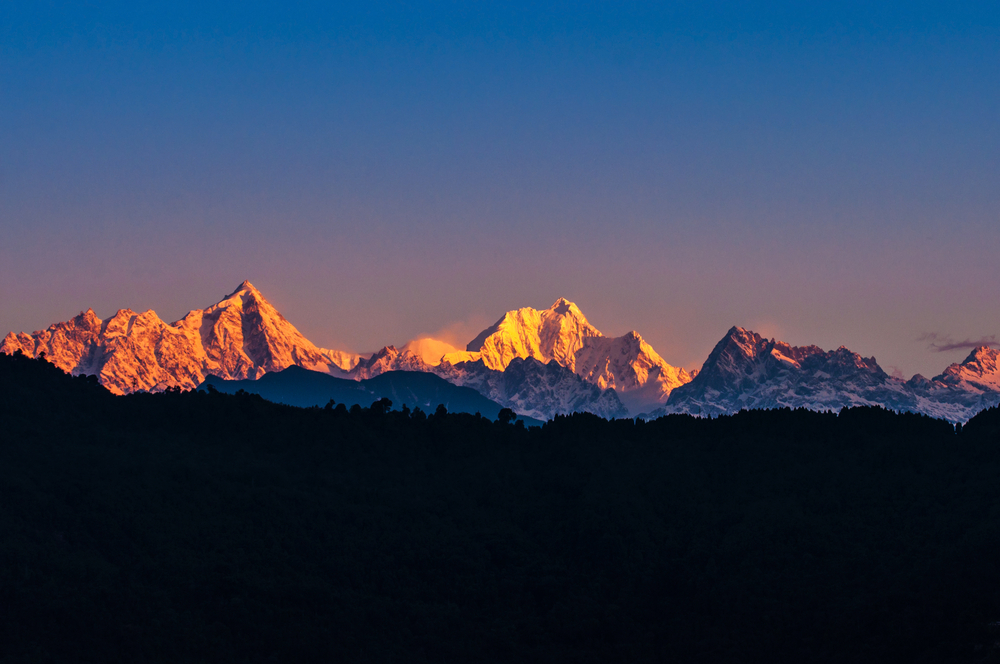
Kanchenjunga Offers a Wilderness Trekking Experience
The Kanchenjunga Conservation Area recorded 1,384 visitors. Located in eastern Nepal, the region is home to Mount Kanchenjunga, the world’s third-highest mountain. The Kanchenjunga Base Camp trek is a long and demanding journey through remote mountain landscapes.
Trekkers can experience diverse ecosystems, high mountain valleys and local communities along the route. The relatively low number of visitors compared with Everest and Annapurna highlights the region’s remote character while also indicating significant potential for carefully managed tourism development.
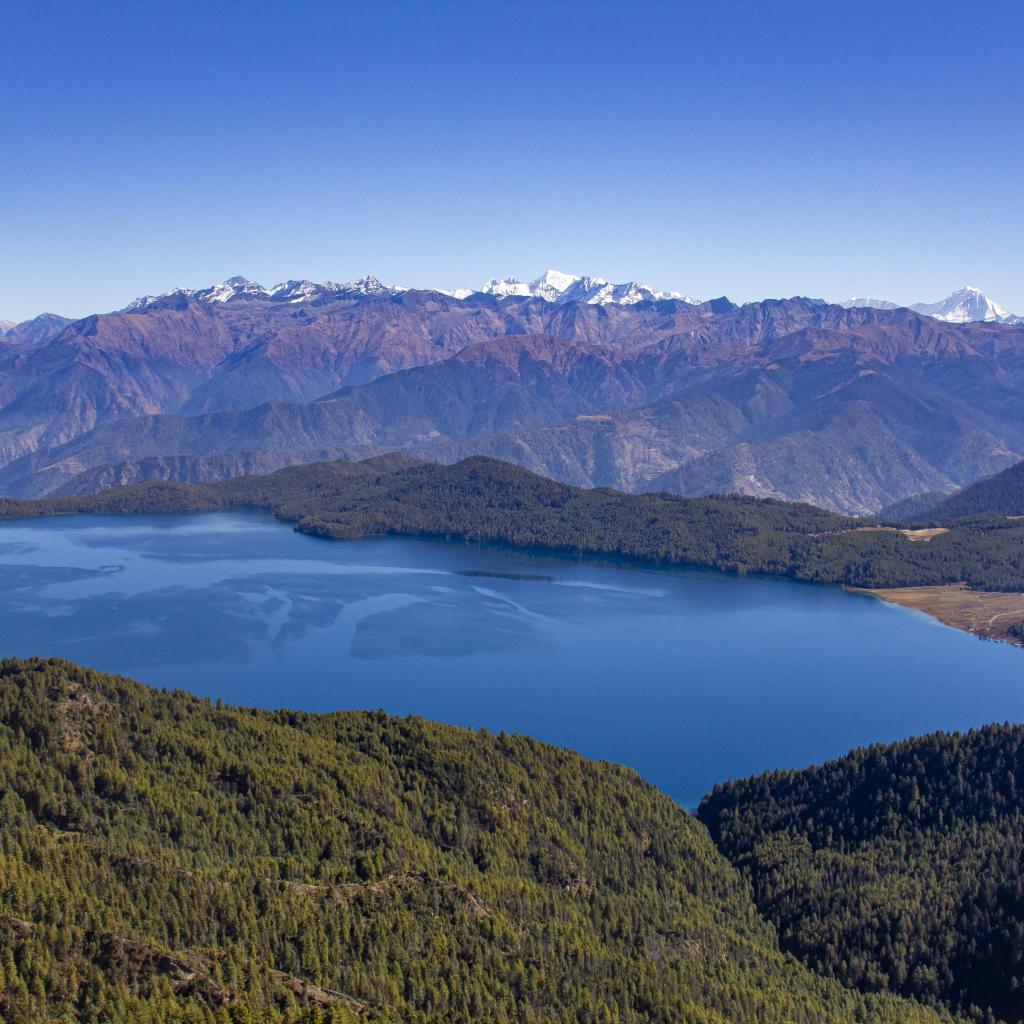
Rara National Park Remains a High-Value Nature Destination
Rara National Park attracted 324 visitors in 2025. Rara Lake, Nepal’s largest lake, is the main attraction of the destination. Surrounded by forested hills and mountain landscapes, the lake provides a peaceful alternative to Nepal’s high-traffic trekking regions.
The relatively low number of visitors suggests that Rara has considerable room for growth. Better connectivity, tourism infrastructure and stronger promotion could help position the destination as a major nature and adventure tourism hub in western Nepal.
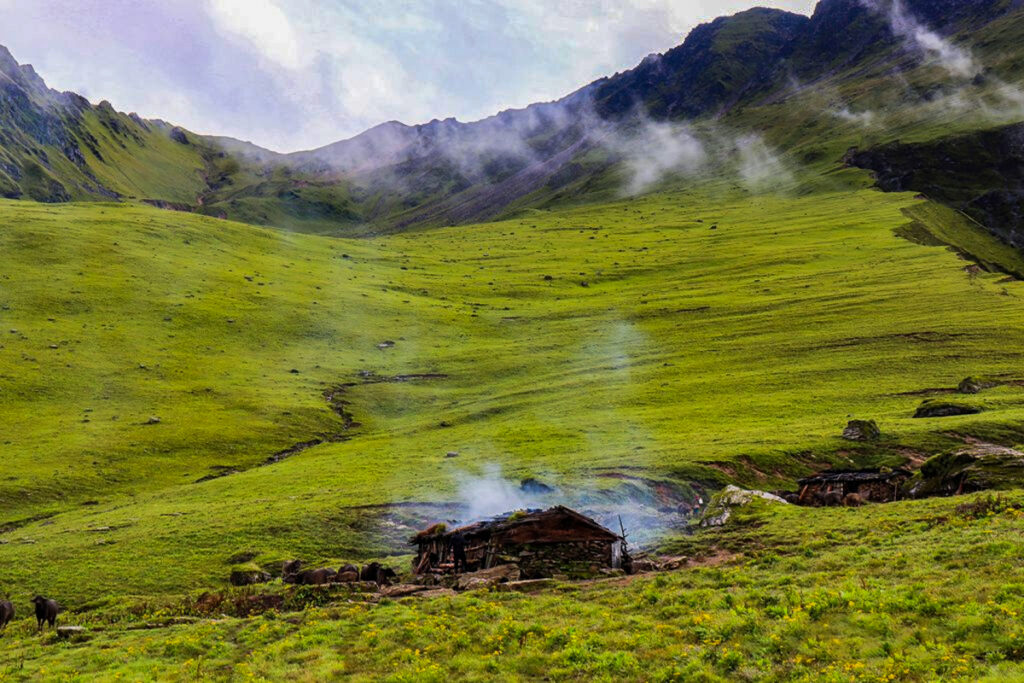
Dhorpatan Hunting Reserve Records 226 Visitors
Dhorpatan Hunting Reserve received 226 visitors in 2025. As Nepal’s only hunting reserve, Dhorpatan has a distinct tourism identity. Beyond its specialised tourism potential, the area also offers mountain scenery, rural landscapes and opportunities for nature-based travel.
The destination’s low visitor numbers underline the need for broader tourism product development and responsible promotion focused on nature, culture and adventure experiences.
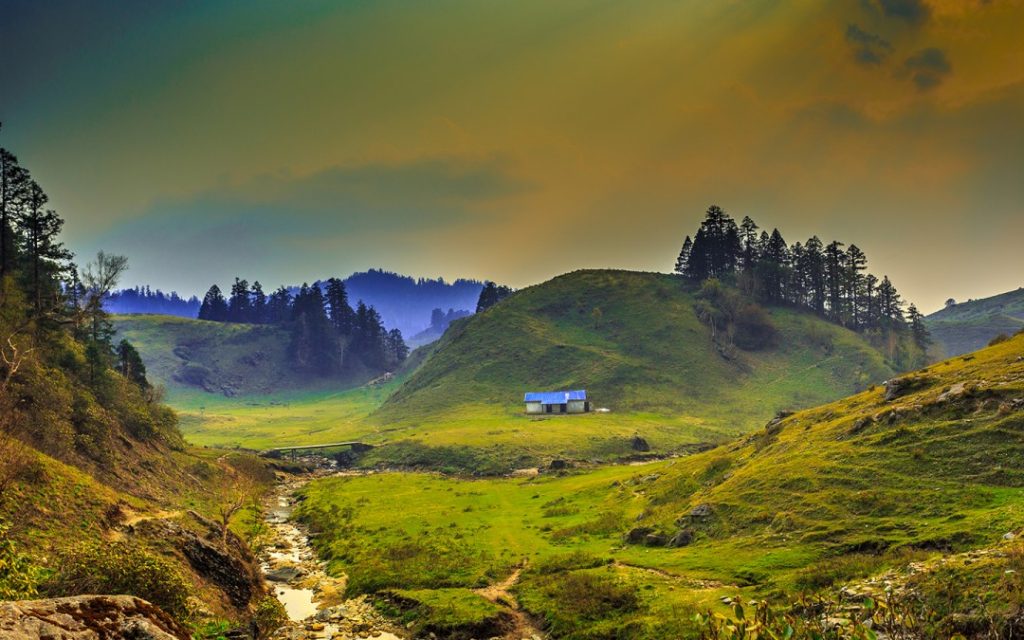
Khaptad National Park Attracts 42 Visitors
Khaptad National Park recorded 42 visitors in the 2025 data. The park is recognised for its natural landscapes, forests, biodiversity and spiritual significance. The Khaptad region has the potential to attract visitors interested in wellness, spirituality, nature and hiking.
However, the extremely low visitor number indicates that the destination remains significantly underdeveloped in terms of tourism reach and market visibility. Better accessibility, accommodation facilities, visitor services and targeted promotion could support its future growth.
Apinampa Conservation Area Records the Lowest Visitor Number
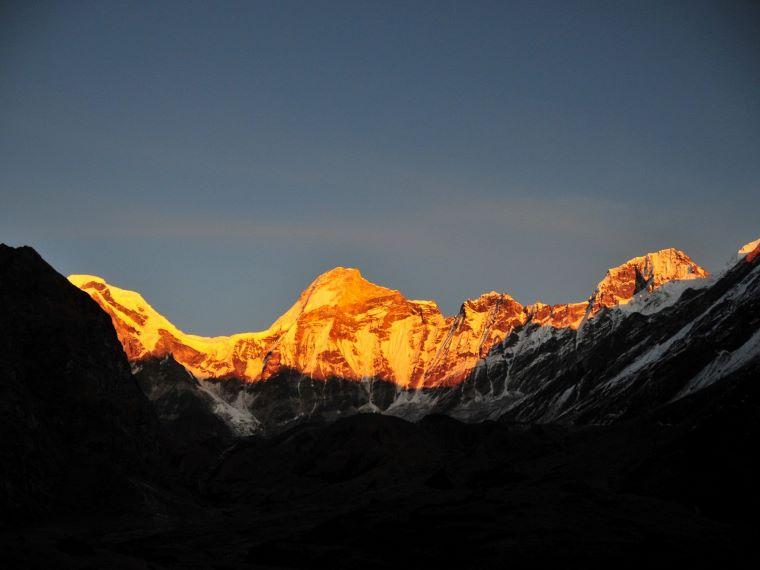
The Apinampa Conservation Area recorded 18 visitors, the lowest number among the destinations listed. Despite its low visitor volume, the region has significant potential for wilderness and experiential tourism. Its remote landscapes and Himalayan environment could appeal to travellers seeking less-explored destinations.
The figures underline the challenge of destination diversification in Nepal. Expanding tourism beyond the established Annapurna and Everest regions will require investment in connectivity, basic infrastructure, tourism services, promotion and sustainable destination management.
Data Highlight Strong Concentration in Established Destinations
The 2025 figures show a sharp difference between Nepal’s most popular and least visited trekking destinations. Annapurna alone recorded 313,549 visitors, significantly exceeding all other destinations in the list. Sagarmatha National Park followed with 47,524 visitors, while the remaining destinations recorded substantially fewer visitors.
This gap demonstrates the continuing dominance of established trekking destinations. At the same time, the figures highlight the potential for Nepal to develop new trekking products and promote less-visited regions under the concept of experiential trekking. Destination diversification could help distribute tourism benefits more widely across Nepal, create local employment and reduce pressure on highly popular trekking corridors.
Tourist Numbers by Trekking Destination in 2025
| Rank | Destination | Tourist Number |
|---|---|---|
| 1 | Annapurna Conservation Area | 313,549 |
| 2 | Sagarmatha National Park | 47,524 |
| 3 | Shivapuri National Park | 11,806 |
| 4 | Manaslu Conservation Area | 10,752 |
| 5 | Langtang National Park | 10,637 |
| 6 | Makalu-Barun National Park | 2,118 |
| 7 | Gaurishankar Conservation Area | 1,677 |
| 8 | Shey Phoksundo National Park | 1,473 |
| 9 | Kanchenjunga Conservation Area | 1,384 |
| 10 | Rara National Park | 324 |
| 11 | Dhorpatan Hunting Reserve | 226 |
| 12 | Khaptad National Park | 42 |
| 13 | Apinampa Conservation Area | 18 |
| Total | All listed destinations | 403,520 |
Overall, the data show that Nepal’s trekking tourism continues to be led by the Annapurna and Everest regions, while destinations such as Manaslu, Langtang, Makalu, Kanchenjunga, Dolpo, Rara and Khaptad represent significant opportunities for the country’s future destination diversification strategy. For Nepal, the next phase of trekking tourism growth may depend not only on attracting more visitors to existing iconic routes but also on developing new, sustainable and community-based experiences in less-explored destinations.