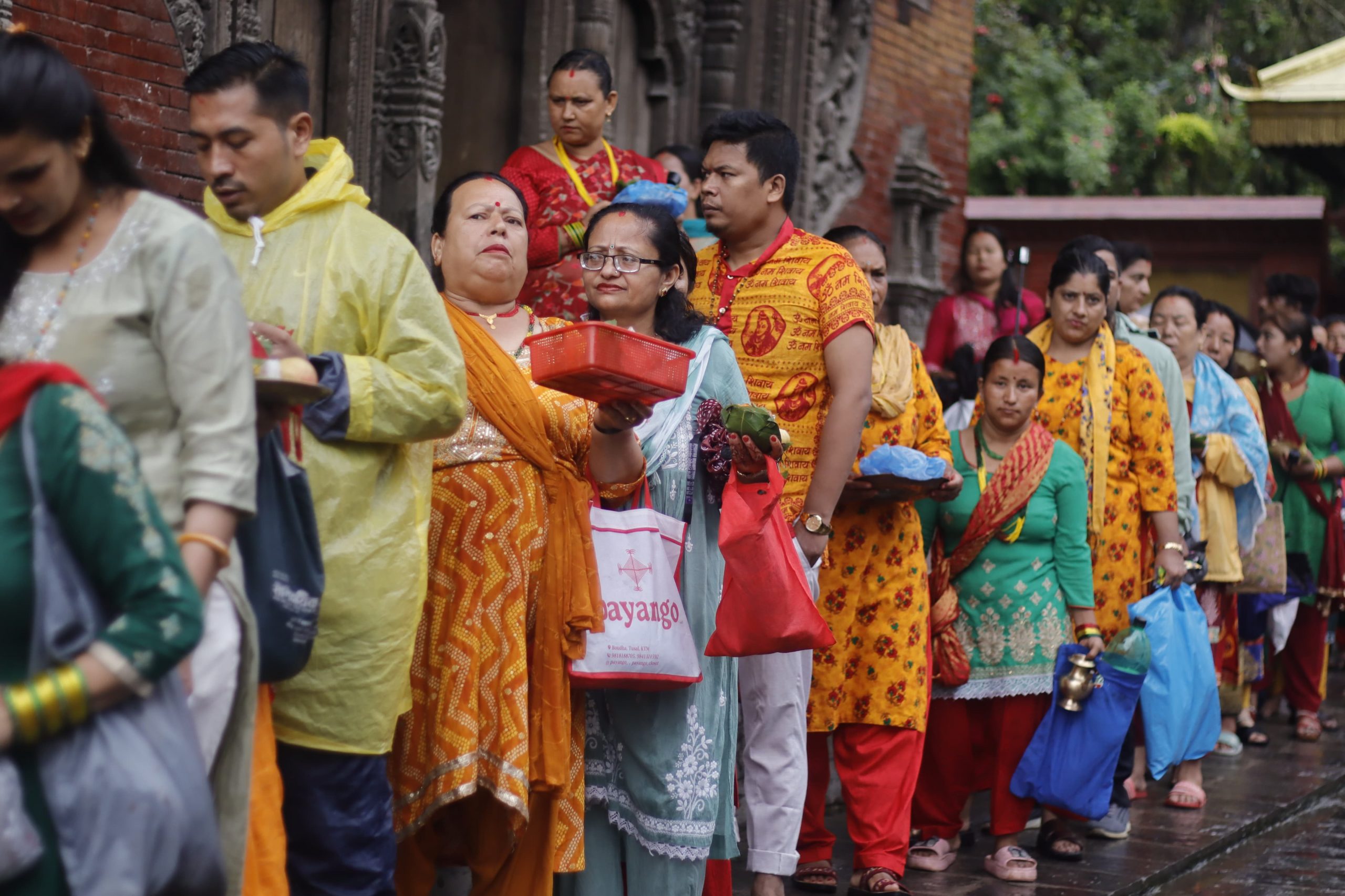
Shiva temples across Kailali witnessed a significant influx of devotees from the early hours of Monday as worshippers gathered to offer prayers, perform rituals, and present holy water to Lord Shiva on the final Monday of Shrawan. The heavy turnout at religious sites brought increased activity to temple premises and surrounding market areas, highlighting the importance of Shrawan and Monday worship in Nepal’s religious and cultural traditions.
Devotees Gather for Shiva Worship
Devotees began arriving at Shiva temples early in the morning to perform puja, offer water and seek blessings from Lord Shiva. Shrawan is traditionally regarded as a sacred month dedicated to Lord Shiva, while Mondays during the month are considered particularly auspicious. As a result, Shiva temples across the district generally experience increased visitor numbers throughout Shrawan, with the final Monday attracting an especially large crowd. The increased movement of devotees also brought greater activity to markets and commercial areas around the religious sites.

Major Shiva Temples Attract Large Crowds
Several prominent religious sites in Kailali witnessed a heavy flow of devotees on Monday. Large numbers of worshippers gathered at Godawari Dham, Behedababa Temple in Dhangadhi, Shivapuri Dham, and various other Shiva temples in and around Dhangadhi. According to priest Hari Narayan Bhatt of Shivapuri Dham in Dhangadhi, the number of devotees was notably higher than on previous Mondays of Shrawan, as Monday marked the final opportunity this year for many devotees to perform their special Shrawan rituals.
Religious Activities Continue Throughout the Day
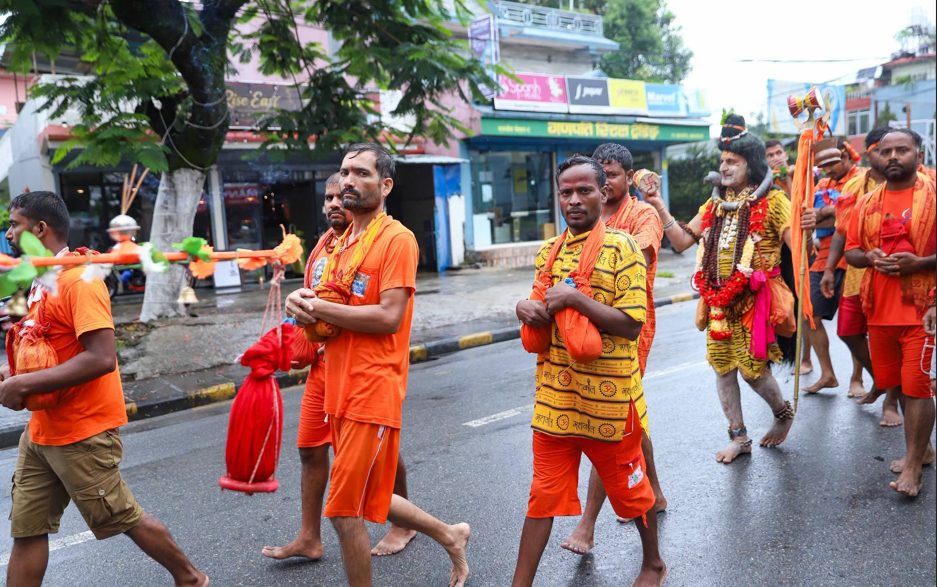
Devotees visited the temples to perform traditional worship, light lamps, offer flowers and belpatra leaves, and present water to Shiva Lingams. Many worshippers also observed religious practices associated with Shrawan, seeking blessings for family well-being, peace, and the fulfillment of personal wishes. The final Monday of the month carries particular significance for devotees who consider it an important occasion to complete their Shrawan worship and religious observances.

Rise in Demand for Religious Offerings
The increase in visitors also benefited traders and vendors around the temples. Demand for puja materials, flowers, garlands, belpatra leaves, and fruits increased as devotees purchased offerings for worship. The rise in commercial activity around the temples demonstrated the broader local economic impact of religious gatherings, particularly in areas where temples serve as important pilgrimage and visitor destinations.
Religious Tourism Gains Momentum in Kailali
The large turnout at Kailali’s Shiva temples on the final Monday of Shrawan highlighted the district’s potential for religious and domestic tourism. Places such as Godawari Dham, Behedababa Temple and Shivapuri Dham attract visitors not only for religious purposes but also as important cultural and local pilgrimage sites. The annual influx of devotees during Shrawan provides an opportunity to further develop these destinations through improved visitor facilities, accessibility, sanitation, crowd management and promotion of their religious and cultural heritage. The strong participation on the final Monday of Shrawan once again demonstrated the enduring religious traditions surrounding Lord Shiva and the growing movement of domestic visitors to pilgrimage destinations across Kailali.