The traditional Ghantakarna Festival, also known as Gathamangal, is being observed across the Kathmandu Valley today, offering a vivid display of Newar culture, centuries-old traditions and religious practices. Observed on the 14th day of the waning moon in the Nepali month of Shrawan according to the lunar calendar, the festival is particularly significant among the Newar community. The annual celebration is associated with the defeat of Ghantakarna, a mythical three-legged, man-eating demon, and is traditionally believed to protect people and households from evil, misfortune, and various obstacles.
A Festival Rooted in Newar Tradition
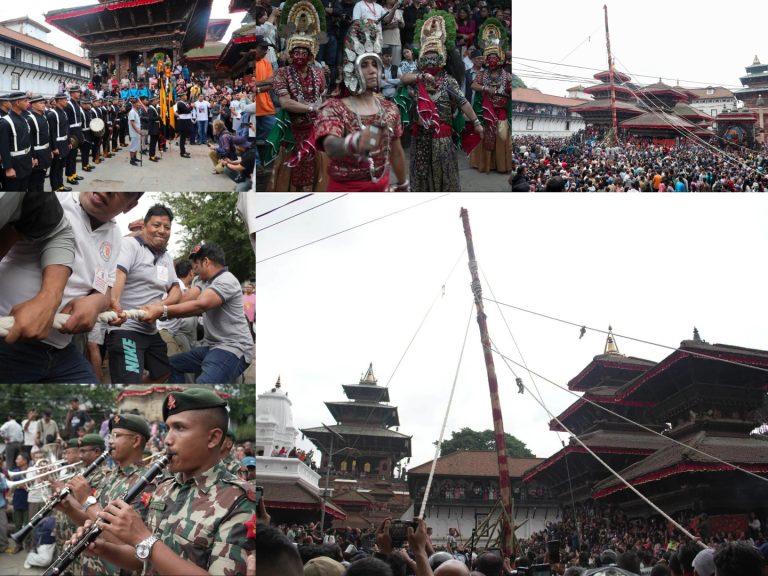
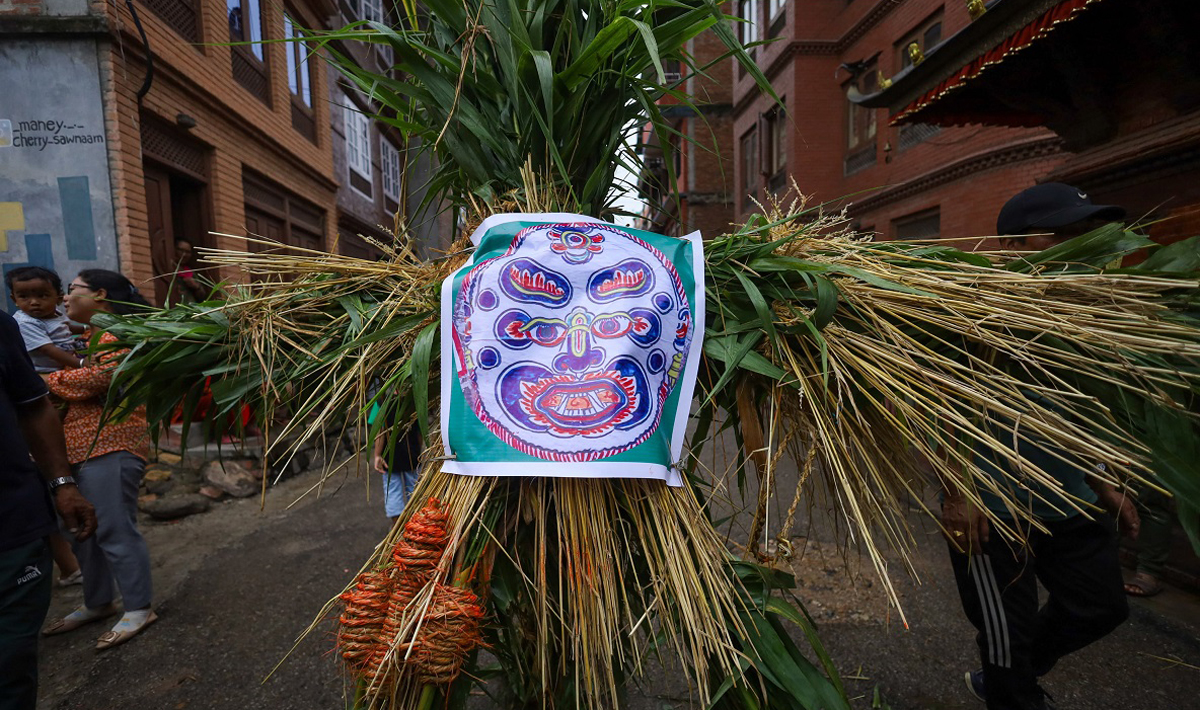
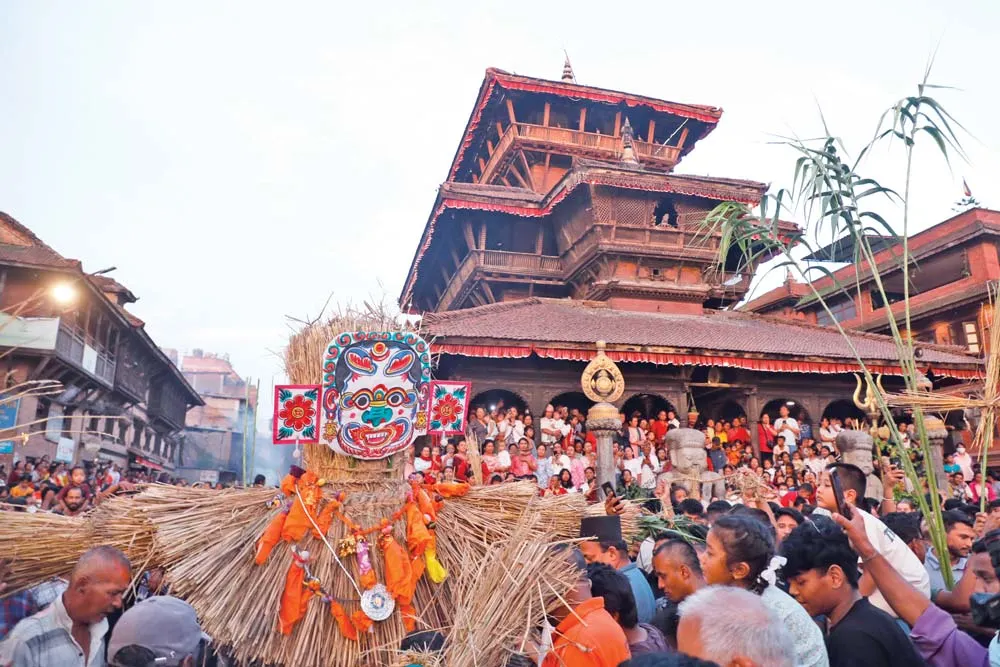
Ghantakarna is traditionally depicted through an effigy made from locally available materials such as green reeds, bamboo and wheat straw. These effigies are erected at crossroads and junctions in different parts of the Kathmandu Valley, transforming neighbourhoods into lively centres of traditional cultural activity. The festival begins with people bathing, cleaning their homes and courtyards, and performing prayers and other rituals. The practices reflect the community’s traditional belief in cleansing the home and surroundings of negative influences and welcoming protection and prosperity. For visitors interested in cultural and heritage tourism, the festival provides an opportunity to observe traditional Newar customs that have been preserved and passed down through generations.

Traditional Street Rituals and Festive Atmosphere
One of the distinctive features of Gathamangal is the participation of children in traditional street activities. Children stretch ropes across roads and ask passing people for money, locally known as jagat. The practice adds a lively and playful element to the festival while reflecting the community-based nature of the celebration. As the day progresses, the streets and neighbourhoods become increasingly active as communities prepare for the evening rituals.
Effigy Procession and Symbolic Burning
The most prominent ritual takes place in the evening. Torches are lit, and the Ghantakarna effigy is dragged through the streets before being set ablaze. The symbolic burning represents the banishment of evil and negative forces. The ritual is also regarded as a means of protecting households and communities from misfortune and external threats. The combination of traditional costumes, community gatherings, torchlight rituals and the movement of the effigy through historic neighbourhoods makes the festival particularly significant from a cultural tourism perspective.
Spiritual and Cultural Significance
According to cultural scholar Prakash Shrestha ‘Sakkwa’, Gathamangal is described in the Gopala genealogy as representing the three gunas, or fundamental qualities: satva, associated with purity, knowledge and clarity; rajas, representing passion and desire; and tamas, associated with darkness, inertia and ignorance. Ghantakarna is also associated with Bhairav, who holds an important position in the Newar faith as a fierce protector and manifestation of Lord Shiva. This connection gives the festival both religious and philosophical significance within Newar cultural traditions.
Special Tradition for Newly Married Couples
The festival also carries particular importance for newly married Newar couples. According to tradition, newly married couples are required to pay homage to Ghantakarna on this day. The practice reflects the community’s belief in seeking protection and blessings for married life and the household. It also demonstrates how festivals such as Gathamangal remain closely connected to different stages of community and family life.

Belief in Protection and Prosperity
Traditionally, Gathamangal is believed to protect people from physical, psychological and external obstacles. The rituals are also associated with prosperity, material well-being and protection from enemies. Beyond its religious meaning, the festival represents the continuation of the Kathmandu Valley’s living cultural heritage, where ancient beliefs and community practices remain part of everyday social life.
Significance for Cultural Tourism
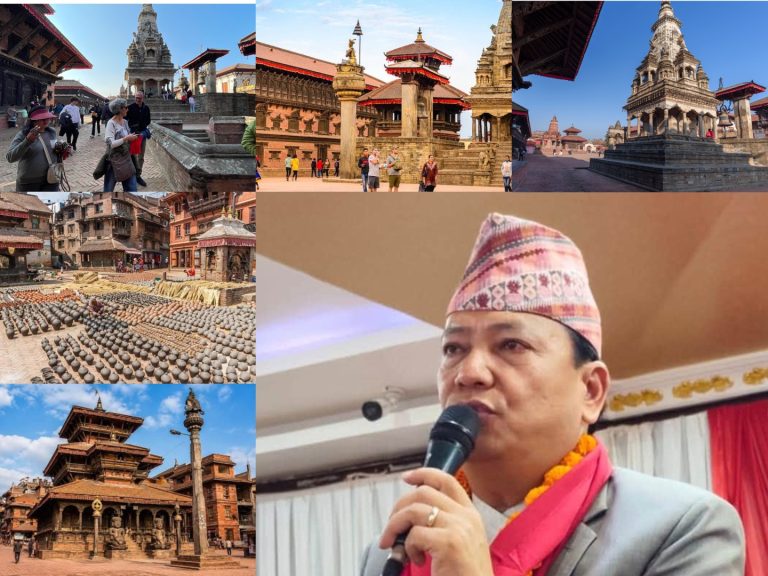
The Ghantakarna Festival adds another dimension to Kathmandu Valley’s cultural tourism appeal. The Valley is known not only for its historic monuments and temples but also for its living festivals, rituals and community traditions. For domestic and international visitors, festivals such as Gathamangal offer an opportunity to experience Newar heritage beyond conventional sightseeing. The street rituals, traditional effigies, communal participation and symbolic ceremonies provide a glimpse into cultural practices that have survived for generations. The festival therefore contributes to the Valley’s identity as a destination for cultural, religious and heritage tourism, while highlighting the importance of preserving traditional festivals as part of Nepal’s intangible cultural heritage.